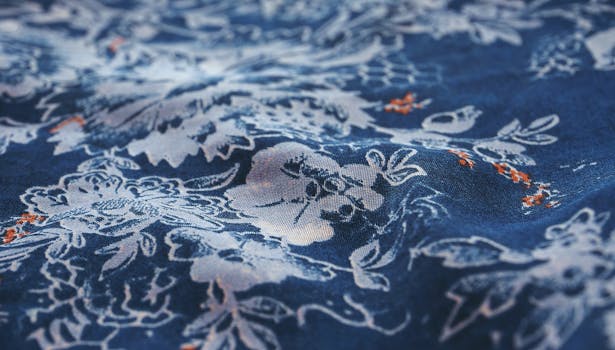
Textile design courses offer a pathway to harness creativity and transform it into a fulfilling career in the fashion and interior design industries. These courses provide a comprehensive understanding of textile manufacturing processes, design principles, and the influence of textiles on global culture and commerce. If you’re considering a career in textile design, these courses can be the stepping stone to developing essential skills and gaining industry insights.
Benefits of Textile Design Courses
Enrolling in textile design courses equips students with a rich blend of theoretical knowledge and practical skills. Courses cover a wide array of subjects, including fabric construction, textile printing, color theory, and the historical context of textiles. These skills are indispensable for anyone looking to make a mark in the textile industry and contribute creatively to the field.
One of the foremost advantages of these courses is the ability to express artistic vision through textiles. By learning various design techniques, students can create unique patterns, contributing to fashion trends and innovations in home décor. Moreover, understanding different textile production techniques enables designers to ensure quality and sustainability, crucial skills in today’s environmentally conscious market.
Career Opportunities in Textile Design
Graduates of textile design courses have access to a wide range of career opportunities. From becoming textile designers, fabric managers, or quality analysts to roles in fashion houses or textile manufacturing companies, the possibilities are vast. With the growing emphasis on sustainable and innovative textiles, niche roles in eco-friendly or technological textiles are also emerging.
Networking and industry exposure during these courses play a critical role in career development. Many institutions facilitate internships and projects with renowned brands, allowing students to build portfolios and gain hands-on experience. This exposure is invaluable for transitioning smoothly into professional roles post-graduation.
How to Choose the Right Textile Design Course
When selecting a textile design course, consider the curriculum, faculty expertise, and industry connections. It’s important to choose a program that aligns with your career goals and offers a strong foundation in both traditional and contemporary textile practices. Reviewing alumni success stories and industry partnerships can provide insights into the course’s effectiveness.
Additionally, prospective students should explore scholarship opportunities to alleviate the financial burden of higher education. Programs such as scholarships for art students can provide financial aid to eligible candidates, making it easier to pursue their educational aspirations without financial constraints.
Global Influence of Textile Design
Textiles have long been a vital part of global trade and cultural exchange. By studying textile design, students gain a deeper appreciation for how textiles influence economies and societies around the world. The resurgence of interest in sustainable practices is influencing textile production and design globally, making it a pivotal aspect of contemporary design education.
Joining a textile design course also fosters a sense of global community among students as they share ideas and learn about textiles from various cultures. This exchange can inspire unique and culturally rich designs that bridge traditional craftsmanship and modernity.
Conclusion
Textile design courses offer a comprehensive education for aspiring designers seeking a meaningful and creative career. Whether you are interested in fashion, interior design, or industrial textiles, these courses can provide the essential skills and knowledge needed to succeed. With a focus on sustainability and innovation, textile design is a field ready to shape the future of how we interact with fabrics.
- Textile design courses combine creativity with technical skills.
- They offer a pathway to diverse career opportunities in fashion and interiors.
- Choosing the right course involves examining the curriculum and industry ties.
- Scholarships can help mitigate the cost of studying textile design.
- Textiles have a significant global and cultural impact.
What skills do textile design courses teach?
Textile design courses cover technical skills such as fabric design, printing techniques, and color theory, along with creative skills like pattern creation and textile innovation.
What career options are available after completing textile design courses?
Graduates can pursue careers as textile designers, fabric managers, quality analysts, and more. Opportunities also exist in innovative and eco-friendly textile design.
How do these courses contribute to sustainability?
Many courses integrate sustainable practices and innovative design techniques, preparing students to create environmentally responsible textiles.
Are there financial aid options for students?
Yes, there are various scholarships and grants available for students pursuing textile design, such as those offered to art students.
Why is textile design considered significant globally?
Textiles play a crucial role in cultural expression and global trade, influencing economies and lifestyle practices worldwide.