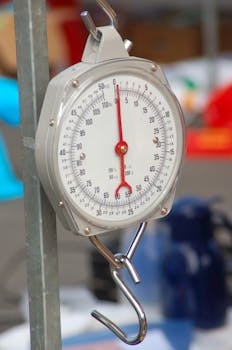
Stepping on the scale and seeing a different number each time can be puzzling. If you’ve ever wondered, “why does my scale show different weights?” you’re not alone. Many factors can cause fluctuations, and understanding them can help you interpret your weight accurately.
Why Does My Scale Show Different Weights?
The concept of weighing yourself seems straightforward, yet it’s influenced by numerous variables that often go unnoticed. Here, we explore these factors to understand the reasons behind inconsistent scale readings.
Factors Affecting Scale Readings
First, it’s essential to recognize that body weight naturally varies throughout the day. Factors such as food and water intake or physical activity immediately before weighing can cause differences. Further, scales themselves can introduce variability based on precision and calibration.
Time of Day
When you weigh yourself can significantly impact the number you see. Our bodies undergo various changes throughout the day, including fluid balance and digestion. Typically, weighing yourself at the same time each day, preferably in the morning after using the bathroom, offers more consistent results.
Scale Placement and Quality
A scale’s location can influence its reading. Ensure your scale rests on a hard, even surface to avoid discrepancies. Also, consider the quality and maintenance of the scale itself. Regular calibration and using a reliable device can enhance measurement precision.
Biological and Environmental Factors
Besides timing and technology, biological and environmental factors contribute to weight variations. Hormonal changes, like those during a menstrual cycle, can lead to temporary fluctuations. Environmental factors such as climate and altitude may play a role, albeit to a lesser extent.
Diet and Hydration
Fluctuations in weight can also be attributed to dietary intake. Consuming more sodium or carbohydrates can lead to water retention, resulting in a temporary weight increase. Conversely, dehydration may show a sudden drop in weight.
Internal and External Stressors
Physical exertion, stress, and lack of sleep can each impact body weight. Stress hormones can alter metabolism, and insufficient sleep may interfere with appetite-regulating hormones, potentially leading to weight changes.
Managing and Interpreting Weight Fluctuations
Understanding why your scale shows different weights helps in managing expectations and tracking your health journey effectively. Here are some tips to account for variability:
- Consistency is Key: Weigh yourself under similar conditions each time.
- Focus on Trends: Rather than daily numbers, pay attention to weekly trends.
- A Holistic Approach: Combine weight tracking with other measurements such as waist circumference for a comprehensive view.
You can explore more about scale accuracy and self-assessment techniques in our guide to certified training courses.
For further reading on body weight regulation and scales, consider visiting this comprehensive source.
Final Thoughts
In a world focused on numbers, it’s natural to question why does my scale show different weights. By understanding the array of contributing factors, you can view these fluctuations with a critical eye and center your focus on long-term health goals.
Takeaways
- Weight fluctuations are normal and can be caused by various factors.
- Consistency in weighing is crucial for accurate tracking.
- Understanding trends offers better insights than focusing on daily changes.
- A holistic approach to measuring progress includes more than just weight.
- Education and knowledge empower you to make informed decisions about health.
FAQ Section
How often should I weigh myself?
It’s best to weigh yourself weekly to monitor trends rather than fixating on daily changes.
Can my scale be inaccurate?
Yes, improper calibration or placing your scale on an uneven surface can lead to inaccurate readings.
Why does my weight fluctuate during the day?
Daily weight fluctuations occur due to food and water intake, as well as physical activity, and can be perfectly normal.
How can hydration affect my weight?
Increased water intake or dehydration can lead to temporary fluctuations in weight due to changes in water retention.
What should I do if my weight is consistently inconsistent?
Consider reviewing your weighing method, ensuring scale accuracy, or consulting a healthcare professional for more insights.