
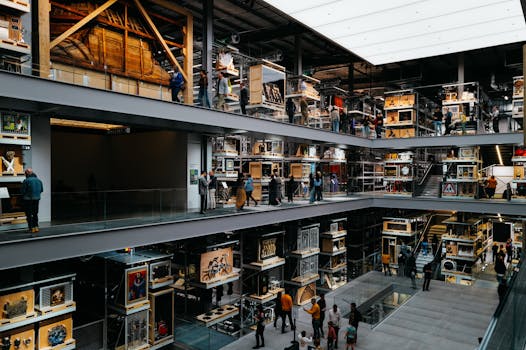
In the vibrant world of art and history, a museum curator plays an essential role in crafting the storytelling and preservation of cultural artifacts. If you’re curious about the museum curator job description, you’re in the right place. This comprehensive guide will walk you through the duties, skills, and career paths associated with this fascinating profession. Whether you’re considering a career in curation or simply want to learn more about the field, understanding the responsibilities and nuances of this role is important for anyone interested in cultural heritage.
Understanding the Museum Curator Job Description
The museum curator job description encompasses a wide range of responsibilities aimed at creating meaningful and educational exhibitions. Curators oversee the collection, documentation, and exhibition of artifacts that tell a story or represent an institution’s mission. From developing exhibits to managing collections, a curator ensures that both the art and the patrons engaging with it experience a rich, informative journey.
Main Responsibilities of a Museum Curator
Museum curators perform various tasks, each crucial to maintaining the integrity and educational value of a museum’s collection. Their primary responsibilities include:
- Developing and organizing exhibitions that meet educational and thematic goals.
- Conducting research on items within the collection to enhance knowledge and context.
- Documenting and cataloguing new acquisitions and maintaining accurate records.
- Collaborating with other museum staff such as conservators, archivists, and educators.
- Securing funding for exhibitions and museum operations through grants or donations.
- Engaging with the public through tours, lectures, and educational programs.
Skills and Qualities Needed
A successful museum curator needs a diverse set of skills. Strong research abilities, as well as critical thinking, are crucial for curators to properly analyze and interpret historical or artistic works. Effective communication skills are essential, especially when it comes to conveying complex information to a broad audience in an accessible manner.
Furthermore, museum curators need to manage projects and collaborate effectively with multidisciplinary teams. A keen eye for detail, creativity in exhibition design, and a thorough understanding of preservation methods are also important qualities.
Education and Career Pathways
For those interested in becoming a museum curator, educational pathways typically include a degree in art history, history, archaeology, or museum studies. Many positions require a master’s degree, while some may necessitate a Ph.D., particularly in larger or more prestigious institutions.
Experience is also paramount. Aspiring curators often gain initial experience through internships, volunteering, or roles in smaller museums or galleries. Networking within the museum community and continuous professional development through workshops or conferences can greatly enhance your career prospects. For more information on relevant educational paths, explore our article on Studying Abroad: The Best Art Schools in Europe.
Exploring the Diverse Roles Within Museum Curation
The question “what is a curator of a museum” often arises from the role’s broad and sometimes ambiguous nature. Beyond the traditional title of a museum curator, there are various specialized roles within a museum that focus on particular aspects of curation, such as:
- Collections Manager: Focuses on the care and logistics of maintaining the museum’s collection.
- Exhibition Curator: Specializes in the design and organization of exhibitions.
- Research Curator: Prioritizes the academic study and publication of research related to the collection.
Each of these roles contributes to the overarching mission of a museum and requires different expertise and skills.
Challenges and Opportunities in Museum Curation
While the profession is undoubtedly rewarding, it also comes with its own set of challenges. The landscape of museums is continually evolving, with digital media and technology integrating into traditional practices. Curators must balance innovation with tradition, ensuring cultural relevance while maintaining historical accuracy.
Opportunities for innovation are abundant, especially with the growing trend of virtual exhibitions and the use of augmented reality. These technologies allow curators to reach broader audiences and create immersive experiences that transform how people interact with museum collections.
The Future of Museum Curation
As we look towards the future, the role of a museum curator will likely continue to adapt and grow. With increasing focus on inclusivity, diversity, and accessibility, curators will play a pivotal role in reshaping how cultural and historical narratives are presented. Embracing these changes will ensure that museums remain relevant and engaging spaces for education and personal enrichment.
For further reading on museum curation, one might refer to the detailed insights provided by the Wikipedia page on Museums, which offers a broad overview of museum types and functions worldwide.
In conclusion, understanding the museum curator job description reveals a multifaceted profession vital to the preservation and dissemination of cultural knowledge. A curator’s work breathes life into museum collections, ensuring they educate and inspire future generations.
- The museum curator plays a critical role in collection management and exhibition design.
- Skills needed include research, communication, and project management.
- Education pathways often involve advanced degrees in related fields.
- Technology offers new tools and challenges for modern curators.
- The future emphasizes inclusivity, accessibility, and digital reach.
FAQs
What qualifications do you need to be a museum curator?
Typically, a museum curator needs at least a degree in art history, history, archaeology, or museum studies. Many roles require a master’s or even a Ph.D. Relevant experience is also crucial.
What is a curator of a museum responsible for?
A curator is responsible for managing and organizing collections, developing exhibitions, conducting research, and engaging with the public through various educational programs.
How do museum curators make exhibitions engaging?
Curators use creative storytelling, engaging displays, and interactive elements to make exhibitions captivating. They may also integrate technology to enhance the visitor experience.
Do museum curators travel often for their job?
Depending on the museum and specific role, curators may travel to acquire new collections, attend conferences, or collaborate with other institutions globally.
What challenges do museum curators face today?
Museum curators face challenges such as maintaining relevance in a digital age, securing funding, and navigating the ethical considerations of cultural heritage ownership.

