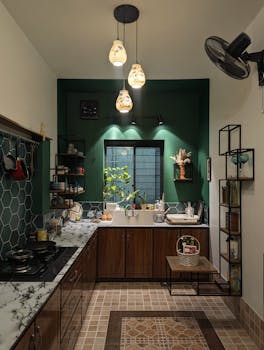
If you’re looking to enhance your kitchen’s functionality and style, considering a food dresser can be a game-changer. This piece of furniture not only serves as a practical storage solution for your culinary essentials but also adds an aesthetic touch to your home. In this guide, we explore everything you need to know to choose the perfect food dresser, from its benefits to design styles and practical considerations.
Understanding the Importance of a Food Dresser
A food dresser, often called a sideboard or buffet, is fundamentally a versatile piece of furniture that combines form and function. It offers ample storage to keep your kitchen organized. With shelves, drawers, and sometimes glass doors, a food dresser is perfect for storing dishes, utensils, and pantry items. Beyond storage, it can serve as a hosting station for parties and gatherings.
Benefits of a Food Dresser
There are numerous advantages to incorporating a food dresser into your kitchen or dining area. These benefits span both practical and aesthetic considerations.
- Space Optimization: A food dresser maximizes your storage space, reducing clutter and making it easier to find kitchen essentials.
- Entertaining Aid: It provides a serving space for food and drinks, ideal for buffets during special occasions.
- Decorative Appeal: With various styles available, a food dresser can enhance the visual appeal of your kitchen.
- Multi-functional Use: It can double as a decorative display for china or a bar area for beverages.
Choosing the Perfect Food Dresser for Your Kitchen
Selecting the right food dresser involves several considerations. Here’s a comprehensive checklist to get you started.
Assess Your Space
Before making a selection, evaluate the space where the dresser will be placed. Measure the dimensions carefully to ensure the dresser fits comfortably without obstructing movement. Consider the layout of your kitchen and dining area to find a spot that complements the overall flow.
Material and Style
The material and style of your food dresser should harmonize with your existing kitchen decor. Wood finishes such as oak, pine, or walnut are popular choices for a timeless look. For modern kitchens, metal or mixed materials provide a contemporary edge.
Storage Needs
Identify what you intend to store in the dresser. If you have a collection of fine china, opt for a dresser with glass doors for display. If pantry storage is your priority, look for drawers and shelves that can accommodate various items. Choose configurations that match your lifestyle and kitchen needs.
Design Aesthetics
From traditional to modern designs, food dressers come in a variety of aesthetics. A rustic dresser can add warmth and charm, while a sleek, minimalist design may be perfect for an industrial-style kitchen. Consider the existing elements in your kitchen to find a design that enhances the space.
Maintaining Your Food Dresser
Once you’ve found the perfect food dresser, proper maintenance will ensure its longevity and keep it looking pristine. Here are some tips to help you maintain your food dresser effectively:
- Regular Cleaning: Dust the surfaces weekly and polish with furniture cleaner to maintain its luster.
- Avoid Moisture: Keep the dresser away from direct water exposure to prevent warping or damage.
- Handle with Care: Be gentle with doors and drawers to avoid unnecessary wear and tear.
- Reorganize Occasionally: Periodically rearrange contents to ensure even weight distribution across shelves and drawers.
Integrating a Food Dresser in Small Spaces
If space is limited, don’t fret. A food dresser can still be incorporated into smaller kitchens with the right approach. Consider a compact or corner model that maximizes available room without overwhelming the area. Wall-mounted options can also provide storage without taking up floor space.
The Future of Kitchen Storage
As kitchen design trends evolve, so do storage solutions. The food dresser remains a staple, adaptable to various design preferences and functional needs. Coupling traditional charm with modern utility, it serves a dual purpose of hospitality and organization, making it an indispensable asset to contemporary lifestyles.
If you’re interested in learning more about optimizing spaces, you might find our article on applying for multiple scholarships helpful as it also tackles efficient utilization of resources.
Discovering the perfect food dresser is a rewarding journey that combines personal style with practical ingenuity. As you curate a functional yet beautiful kitchen space, remember that your chosen dresser is more than just storage—it’s a reflection of your personal taste and culinary passion.
For more information on the history and evolution of kitchen furniture, you can visit the Wikipedia page on cabinetry.
Takeaways
- A food dresser combines aesthetic appeal with storage utility.
- Consider space, material, style, and storage needs when choosing a dresser.
- Proper maintenance ensures longevity and aesthetic preservation.
- Even small spaces can accommodate a cleverly integrated food dresser.
- The food dresser is an evolving staple in modern kitchens.
FAQs
What is a food dresser?
A food dresser is a versatile piece of furniture used in kitchens and dining areas for storage and display. It typically includes shelves, drawers, and sometimes glass doors.
How do I choose the right size food dresser?
Measure the intended space for the dresser, considering height, width, and depth, to ensure it fits comfortably and complements your kitchen layout.
Can a food dresser serve as a buffet?
Yes, it can be used as a buffet or serving station, ideal for hosting events and providing a surface for food and beverages.
What materials are best for a food dresser?
Wood, metal, and composite materials are common. The choice depends on your kitchen’s style and personal preference for durability and appearance.
How do I maintain a food dresser?
Regular dusting, polishing with furniture cleaner, and gentle handling of doors and drawers will keep your dresser in good condition for years to come.