
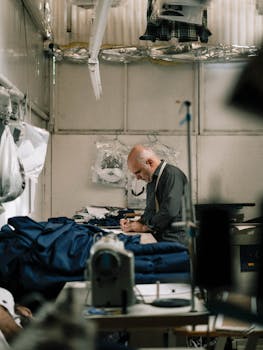
When you think about tailoring, what may come to mind are alterations or custom clothing. However, the skills that define what a tailor can do extend far beyond these basics. Tailors possess a unique blend of technical skills, creativity, and keen attention to detail. This profession holds significant value in many areas, from fashion design to personal styling and even theatrical costuming.
Understanding What a Tailor Can Do
Tailors are skilled professionals who work with precision to alter, mend, and design clothing to fit individual needs. This craft requires not only the ability to sew but also the expertise to work with patterns, fabrics, and different tools to achieve a perfect fit and style. Tailors often specialize in various areas, ensuring a comprehensive service to enhance your wardrobe.
Alterations and Repairs
One of the primary services tailors provide is alterations and repairs. This includes adjusting hems, taking in or letting out seams, and replacing zippers or buttons. These adjustments can transform an off-the-rack or out-of-fashion piece into something that looks tailor-made for you. A skilled tailor assesses the garment and recommends changes that maintain the integrity of the piece while ensuring it enhances your personal style.
Custom Made Garments
Beyond alterations, tailors are proficient in creating custom garments. This is where their skills really shine. Whether it’s designing a bespoke suit, a bridal gown, or a costume for a theatrical performance, tailors bring visions to life. The process involves detailed consultations with clients, developing patterns, selecting fabrics, and crafting the garment to meet specific design and fit requirements.
Fashion Consulting
Another skill that defines what a tailor can do is fashion consulting. Tailors often advise on styles that complement body shapes, personal tastes, and occasions. Their understanding of fabrics and garment construction informs these recommendations, helping clients choose clothing that enhances their appearance and confidence.
Innovation and Modern Developments
In today’s world, tailoring is also aligned with technological advancements. Tailors now use advanced techniques like computer-aided design (CAD) for creating precise garment patterns. This integration of technology has broadened the spectrum of what tailors can achieve, allowing for more complex designs and efficient production processes.
Educational Pathways and Skill Development
To become a proficient tailor, one must undergo extensive training. This can be through formal education, apprenticeships, or self-teaching. For those interested in pursuing this career, there are numerous opportunities to gain financial support for studies in the fashion arts. Aspiring tailors can explore various options for scholarships for art students here.
Tailors continuously develop their skills to stay updated on fashion trends and innovative techniques. Professional development may involve workshops, online courses, or intensive programs that expand their craft repertoire.
The Cultural Impact of Tailoring
Tailoring is not only a profession; it’s an art form that has cultural significance. Historically, tailoring has played a critical role in defining fashion trends across different cultures and societies. Tailors have contributed to iconic fashion moments that, in turn, influence global fashion industries. It’s a profession that celebrates individuality, style, and cultural heritage. For more, you can explore the history of tailoring on Wikipedia.
Economic Contributions
Within the broader industry, tailoring contributes significantly to the economy by creating jobs and supporting local businesses such as fabric stores and fashion boutiques. Tailors also play a part in the sustainability movement by promoting the repair and recycling of garments, reducing waste and environmental impact.
In conclusion, the scope of what a tailor can do is vast and encompasses a blend of artistry, technical skills, and cultural insight. Whether it involves altering a beloved garment, crafting custom designs, or influencing fashion trends, tailors make a valuable impact on fashion and lifestyle choices.
- Tailoring involves much more than simple alterations; it encompasses design, consultation, and cultural impacts.
- Tailors must undergo dedicated education and continuous skills development.
- They integrate modern technologies to enhance precision in design and production.
- The profession supports sustainability through garment repair and recycling.
- Tailoring has significant economic and cultural contributions globally.
Why is tailoring considered an important skill?
Tailoring is important because it combines technical prowess with creativity to customize garments for personal use, fashion design, and cultural expression. This skill contributes to individual style and sustainability by promoting garment longevity.
How do tailors use technology in their work?
Tailors use technology like CAD software to design patterns, and they might employ digital fitting tools to enhance accuracy in fittings and designs, helping to streamline the production process.
Can a tailor create a brand-new garment from scratch?
Yes, tailors are skilled in creating bespoke garments from scratch, involving detailed consultations, pattern creation, and expert sewing to produce custom clothing tailored to a client’s needs.
What educational paths are available for aspiring tailors?
Aspiring tailors can pursue formal education in fashion design or pattern making, partake in apprenticeships, or engage in self-directed learning through online courses and workshops.
How does tailoring support environmental sustainability?
Tailoring supports sustainability by repairing and recycling garments, thereby reducing clothing waste and encouraging responsible consumer habits.

