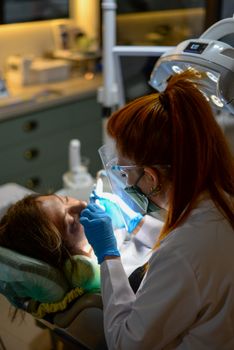
Embarking on a career as a sterilization technician offers a stable and rewarding path within the healthcare industry. This vital role ensures the safety and well-being of patients by maintaining the highest standards of cleanliness and sterilization for medical instruments and environments. The demand for skilled professionals in this field is growing as healthcare facilities continue to prioritize infection control.
The Role of a Sterilization Technician
Sterilization technicians are responsible for decontaminating, cleaning, processing, assembling, and sterilizing medical instruments and devices. Their work is crucial as it prevents infections and ensures safe medical procedures. These technicians work in various settings, including hospitals, clinics, dental offices, and laboratories.
The job requires a keen attention to detail, adherence to strict protocols, and the ability to work efficiently under pressure. The sterilization technician must understand and implement infection prevention standards to protect patients and healthcare workers alike.
Essential Skills and Qualifications
While entry-level positions may require only a high school diploma, employers increasingly prefer candidates with specialized certification or training. Programs that offer coursework in infection control and sterilization techniques are highly beneficial. Communication skills, manual dexterity, and attention to detail are essential for success in this role.
For those interested in advancing their skills, several online programs offer certifications, such as the Central Sterile Processing Technician or Certified Registered Central Service Technician certifications. These credentials can enhance job prospects and potentially lead to higher earning potential.
Career Advancement Opportunities
Advancement for sterilization technicians can come in several forms, including taking on supervisory roles, becoming a sterile processing manager, or specializing in particular areas, such as endoscopic instrument processing. Additional training and certifications can facilitate these advancements.
If you’re considering expanding your qualifications, you might explore opportunities for additional certifications. For example, you can learn about options through resources offering free online certification courses.
Work Environment
Sterilization technicians generally work in sterile processing departments of hospitals or clinics, where maintaining a clean and organized environment is paramount. They may also work in manufacturing settings where they ensure that medical devices meet safety standards before being shipped out.
Shift work is common, as healthcare facilities often require 24/7 coverage. Technicians may work evenings, nights, weekends, or even holidays, depending on the employer’s needs. The ability to manage long periods of standing and handle sterilization equipment is important.
Understanding the Importance of Sterilization
Effective sterilization involves the complete elimination of all forms of microbial life. This process is fundamental in preventing the transmission of infectious diseases. Sterilization technicians play a vital part by ensuring that every instrument that comes in contact with patients is thoroughly disinfected and safe to use.
Common methods used in sterilization include steam under pressure, dry heat, ultraviolet irradiation, and chemical sterilants. Technicians must be trained in the proper use of these methods to ensure compliance with health and safety regulations.
Continuing Education and Professional Resources
As technologies evolve, continuing education becomes essential for sterilization technicians to stay current with industry best practices and new sterilization technologies. Professional organizations offer seminars, workshops, and webinars as part of ongoing professional development.
Access to updated information and networking with other professionals in the field can enhance your career. For additional resources and information about the field, you might consider visiting educational resources.
In conclusion, a career as a sterilization technician offers a unique opportunity to contribute to patient safety and the healthcare system’s integrity. For those committed to precision and high standards, this career path is both meaningful and gratifying.
Takeaways
- Sterilization technicians ensure medical instruments are safe and sterile.
- Key skills include attention to detail and adherence to safety protocols.
- Certification and training can enhance job prospects and career advancement.
- Continuing education helps keep technicians updated with industry advancements.
- Diverse work environments include hospitals, clinics, and manufacturing facilities.
FAQ
What is the main responsibility of a sterilization technician?
The primary responsibility of a sterilization technician is to ensure that all medical and surgical instruments are sterile and safe to use, preventing the spread of infection.
What educational qualifications are required to become a sterilization technician?
While a high school diploma is typically required, many employers prefer candidates with specialized training or certification in sterilization techniques.
What career advancement opportunities exist for a sterilization technician?
Career advancements can include roles such as team lead or manager, specializing in areas like endoscopic processing, and obtaining further certifications.
Are certifications necessary for becoming a sterilization technician?
While not always mandatory, certifications can enhance employment opportunities and demonstrate expertise in the field.
Why is sterilization important in healthcare settings?
Sterilization is crucial in healthcare settings as it prevents the transmission of infectious diseases and ensures that medical procedures are conducted safely.