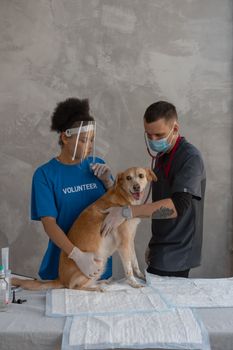
You may have imagined yourself treating injured dogs, caring for horses, protecting livestock, or studying diseases that affect both animals and people. Then you search for the best vet colleges and encounter rankings that seem to disagree. Which school is actually best?
The answer depends on your career plans, finances, learning style, and preferred clinical experiences. A highly ranked university may be a poor fit if it lacks training in your area of interest or leaves you with unmanageable debt. The strongest choice is an accredited program that prepares you for licensure while providing the opportunities and support you need to succeed.
Start With Accreditation and Licensure Preparation
In the United States, veterinarians generally need a Doctor of Veterinary Medicine degree, often abbreviated DVM or VMD, and a state license. Veterinary programs usually combine classroom instruction, laboratory work, and supervised clinical training. Students study subjects such as anatomy, physiology, pharmacology, disease prevention, diagnosis, surgery, and treatment.
Before applying, confirm the program’s current accreditation status with the American Veterinary Medical Association Council on Education. Accreditation indicates that the program meets established standards for areas such as curriculum, faculty, facilities, clinical resources, and student outcomes. It also affects a graduate’s path to taking the North American Veterinary Licensing Examination and obtaining a state license.
The U.S. Bureau of Labor Statistics overview of veterinary careers explains the education, licensing, work settings, and responsibilities associated with the profession. If you are considering an international or non-accredited program, investigate additional certification and licensing requirements before enrolling.
Match the Program to the Animals and Work You Prefer
Many applicants enter veterinary school expecting to work in a small-animal clinic. That is an important career path, but veterinary medicine also includes food-animal practice, equine medicine, wildlife health, laboratory animal medicine, public health, pathology, research, government service, and food safety.
Look beyond a school’s general reputation and examine the experiences available in your preferred field:
- Companion-animal medicine: Consider surgery caseloads, emergency training, dentistry, diagnostic imaging, oncology, and community clinics.
- Equine medicine: Look for access to horse hospitals, ambulatory services, reproduction training, sports medicine, and rural placements.
- Food-animal practice: Evaluate herd-health programs, farm partnerships, production-medicine facilities, and opportunities to work with cattle, swine, poultry, or small ruminants.
- Wildlife or zoological medicine: Ask about relevant electives, faculty expertise, rehabilitation partnerships, and competitive clinical rotations.
- Research and public health: Explore laboratories, dual-degree options, epidemiology courses, and partnerships with government or public-health organizations.
You do not need to choose a specialty before applying. However, attending a school with several areas that interest you can make exploration easier.
Examine How Clinical Training Works
The best vet schools provide meaningful opportunities to apply scientific knowledge to real cases. Some operate large teaching hospitals, while others use distributed clinical models that place students in partner clinics, shelters, farms, or specialty practices. Neither model is automatically better.
A teaching hospital may offer access to specialists, advanced equipment, and complex referral cases. Distributed training may expose students to the pace, communication demands, and routine decisions of community practice. Ask when hands-on training begins and what students are permitted to do under supervision.
Also review clinical caseload variety. A modern facility is useful, but students need appropriate access to patients and procedures. Ask current students whether they receive active responsibilities or mainly observe.
Compare the Full Cost, Not Just Tuition
Veterinary education can be expensive, so cost should be a central part of your decision rather than an afterthought. Compare tuition, mandatory fees, health insurance, equipment, transportation, housing, and living expenses. Clinical rotations may also involve travel or temporary housing.
Public colleges sometimes charge substantially different rates for residents and nonresidents. Find out whether you qualify for resident tuition and whether the institution allows students to establish residency later. Review scholarships, grants, loan terms, emergency funds, and paid research opportunities as well.
Estimate your total borrowing for the entire program. A less expensive accredited school with strong clinical preparation may serve you better than a famous program that requires much more debt. Consider likely monthly loan payments alongside the type of veterinary work you hope to pursue.
Understand Admissions Requirements
Veterinary colleges establish their own prerequisite courses and experience expectations. Common prerequisites include biology, chemistry, physics, mathematics, and other science courses, but the exact requirements vary. A particular undergraduate major is not universally required, and some programs do not require a completed bachelor’s degree if all prerequisites have been met.
Admissions committees may consider academic performance, veterinary experience, animal experience, recommendations, communication skills, service, leadership, and the applicant’s understanding of the profession. Time spent with a veterinarian is especially valuable because it shows you what clinical practice involves, including client communication, difficult decisions, recordkeeping, and emotional stress.
Create a school-by-school checklist rather than assuming every program has identical requirements. If you are also comparing undergraduate options for pre-professional preparation, the decision-making approach in this guide to evaluating colleges and academic programs can help you assess curriculum, support, affordability, and overall fit.
Look Closely at Student Support and Campus Culture
Veterinary school is academically demanding and often emotionally intense. Students must absorb large amounts of information, develop clinical judgment, communicate with worried owners, and cope with animal suffering and loss. Support services can affect both wellbeing and academic progress.
Ask about tutoring, faculty advising, counseling, disability accommodations, mentoring, career services, and support for clinical placements. Learn how the program responds when students struggle academically or personally. Graduation and licensing-exam outcomes may provide useful context, but ask how those figures are calculated.
Speak with current students when possible. Useful questions include:
- Are faculty members accessible outside class?
- Is the environment collaborative or highly competitive?
- How much direct patient responsibility do students receive?
- Are clinical rotation schedules flexible?
- What expenses surprised students after enrollment?
- Do students feel comfortable reporting safety or wellbeing concerns?
Watch for Warning Signs
Be cautious if a program is unclear about accreditation, licensing eligibility, total cost, clinical placements, or student outcomes. Other concerns include limited access to supervised cases, frequent last-minute rotation changes, inadequate academic support, or pressure to enroll before receiving complete financial information.
Do not rely solely on promotional materials or overall university rankings. Verify important details through official program documents, admissions staff, licensing authorities, campus visits, and conversations with students or recent graduates.
Build a Balanced Application List
Because veterinary admissions are competitive, applying to only one program can be risky. Choose a manageable group of schools whose prerequisites you meet and whose training genuinely fits your goals. Include programs with different costs, locations, clinical models, and admissions profiles.
The best vet colleges are not simply the schools with the most recognizable names. They are accredited programs that offer strong clinical preparation, realistic costs, supportive learning environments, and opportunities aligned with the veterinarian you hope to become. A careful comparison now can help you enter veterinary school with clearer expectations and a more sustainable path to practice.