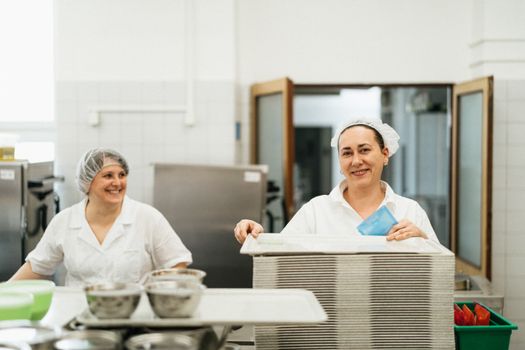
You see a “cafeteria worker wanted” sign at a school, hospital, or office building and wonder whether you are qualified. Maybe you have never worked in food service, or perhaps your experience comes from caring for family, volunteering at events, or handling customers in retail. The good news is that many cafeteria jobs are entry-level positions, and employers often care more about reliability, safe work habits, and a willingness to learn than an impressive résumé.
However, cafeteria work is not simply placing food on trays. Employees may prepare ingredients, operate serving stations, clean equipment, handle payments, answer questions about meals, and keep service moving during busy periods. Understanding what employers expect can help you apply with confidence and determine whether the work fits your schedule and abilities.
What do cafeteria workers usually do?
Job duties vary by workplace and position. A school cafeteria may focus on serving large groups within short lunch periods, while a hospital cafeteria may operate for longer hours and follow detailed meal-service procedures. Corporate cafeterias, universities, senior living communities, correctional facilities, and manufacturing plants also employ food-service teams.
Common responsibilities include:
- Setting up serving lines, beverage stations, and dining areas
- Washing, cutting, measuring, or portioning ingredients
- Preparing simple foods under a cook or manager’s direction
- Serving meals and responding politely to customer requests
- Restocking utensils, napkins, condiments, and packaged items
- Operating a cash register or point-of-sale system
- Washing dishes and cleaning counters, tables, and equipment
- Following food storage, sanitation, and temperature-control procedures
- Reporting spills, damaged equipment, and possible safety hazards
Some jobs concentrate on one task, such as dishwashing or cashiering. Others require workers to rotate among several stations during a shift. Reading the complete job description is important because titles such as cafeteria aide, food-service worker, dining attendant, kitchen assistant, and lunchroom worker can cover different responsibilities.
Skills employers look for in cafeteria jobs
Reliability and punctuality
Cafeterias often work on strict meal schedules. If one employee arrives late, the rest of the team may have to prepare, serve, and clean with fewer people. Employers therefore look for applicants who can arrive on time, follow an assigned schedule, and provide proper notice when they cannot work.
During an interview, be ready to give examples of dependable behavior. Completing school assignments on time, maintaining an attendance record, caring for a family member, or consistently showing up for volunteer work can demonstrate reliability even if you lack paid food-service experience.
Food safety awareness
Safe food handling protects customers and coworkers. Workers must wash their hands at appropriate times, prevent cross-contamination, use gloves and utensils correctly, clean food-contact surfaces, and follow instructions for cooking, holding, cooling, and storing food.
Employees should also report symptoms such as vomiting or diarrhea and follow the employer’s illness policy rather than handling food while sick. Handwashing with soap and water is particularly important because hands can transfer germs to food, utensils, and work surfaces.
You may receive food-safety training after being hired, although local rules or the employer may require a food-handler card or certification. Requirements differ by state and community, so check the job posting before paying for a course.
Customer service and communication
Cafeteria employees interact with students, patients, visitors, office workers, and other members of the public. Employers want workers who listen carefully, speak respectfully, and remain calm when a customer is confused or dissatisfied.
Clear communication is also essential behind the counter. You may need to tell a cook that a serving pan is nearly empty, confirm a special request, or alert a supervisor to an unsafe spill. In settings that serve people with allergies or medically directed diets, employees must follow established procedures and refer questions to the appropriate supervisor instead of guessing.
Teamwork and attention to detail
A cafeteria functions as a coordinated team. One person may prepare food while another portions it, restocks the line, or collects used dishes. Strong employees notice what needs attention and help without losing track of their assigned responsibilities.
Small details matter. Using the correct serving utensil, reading labels carefully, rotating stock, and keeping raw and ready-to-eat foods separated can affect safety and service quality. Cashiers must also enter items accurately and follow payment procedures.
Physical stamina and safe movement
Many cafeteria jobs require standing and walking for much of the shift. Workers may bend, reach, push carts, carry trays, or lift boxes and containers. Kitchens can also contain hot surfaces, sharp tools, wet floors, and crowded work areas.
The U.S. Bureau of Labor Statistics overview of food and beverage serving careers notes that these workers commonly learn through short-term on-the-job training and need qualities such as customer-service skills, communication, stamina, and physical strength. Applicants should review each posting’s lifting and mobility requirements and discuss reasonable accommodations through the employer’s normal process when needed.
Can you get hired without experience?
Yes. Many employers train new cafeteria workers in station setup, equipment use, portion sizes, sanitation rules, and workplace procedures. Previous employment may help, but it is not always required.
If you are new to the field, emphasize transferable experience. Retail work can show customer-service and cash-handling skills. Babysitting may demonstrate responsibility and the ability to follow routines. Volunteering at a community dinner can show teamwork, cleanup experience, and comfort serving groups. Home cooking does not replace professional training, but it can support your claim that you are familiar with basic kitchen organization and cleaning.
Entry-level roles can also provide a path to cook, lead worker, shift supervisor, or food-service manager positions. Workers interested in long-term advancement may benefit from learning several stations, requesting additional training, and developing inventory, scheduling, or supervisory skills. Broader research into employer opportunities and strategies for career growth can also help you evaluate food-service work as part of a larger career plan.
How to find and apply for cafeteria jobs near you
When searching for “cafeteria jobs near me,” look beyond restaurants. Check the career pages of school districts, hospitals, colleges, nursing facilities, government agencies, large employers, and food-service contractors. Local workforce centers and general job boards may also list openings.
Search several related titles, including food-service assistant, dietary aide, cafeteria attendant, kitchen helper, dishwasher, prep worker, cashier, and institutional cook. Filters for distance, shift, part-time work, and benefits can make the results more useful.
Keep your application simple and specific. List customer service, cleaning, food preparation, cash handling, teamwork, and safety-related experience. Include your actual availability, especially if you can work early mornings or other hard-to-fill shifts. Before an interview, prepare examples showing how you handled a busy situation, followed instructions, corrected a mistake, or helped a team meet a deadline.
What to ask before accepting an offer
Not all cafeteria jobs have the same schedule or employment terms. Ask whether the position is year-round, seasonal, or tied to a school calendar. Confirm the typical weekly hours, start time, uniform requirements, training process, meal benefits, and whether hours change during holidays or breaks.
You should also ask which duties you will perform and whether the role requires lifting, cashiering, cooking, or working around specific allergens. Clear expectations help you choose a position that matches your needs.
Cafeteria work can be a practical starting point for someone seeking steady responsibilities, customer interaction, and hands-on experience. You do not need to know everything on your first day. Showing up consistently, following food-safety rules, treating people respectfully, and learning from experienced coworkers can make you a strong candidate and a valued member of the team.