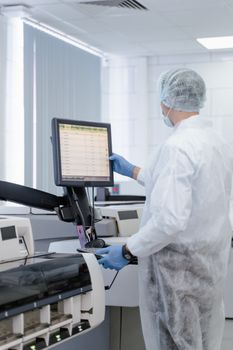
Your doctor orders bloodwork after you mention fatigue, and the next day your results appear in the patient portal. Although you may never meet the person who processed the sample, a clinical lab technician helped turn that vial of blood into information your healthcare provider can use. These professionals work behind the scenes, but their accuracy can affect whether a condition is identified, monitored, or ruled out.
A clinical lab technician examines patient specimens, operates laboratory equipment, documents findings, and checks that test results meet strict quality standards. The career may appeal to people who enjoy science and healthcare but prefer limited patient contact compared with nurses, physicians, or medical assistants.
What Does a Clinical Lab Technician Do?
Clinical lab technicians, also called medical laboratory technicians, perform routine tests ordered by physicians and other qualified healthcare professionals. They commonly work with blood, urine, tissue, and other body fluids. Test findings may help healthcare teams detect infection, evaluate organ function, monitor treatment, manage chronic disease, or prepare blood products for transfusion.
Technicians do not diagnose patients or independently recommend treatment. Their responsibility is to produce accurate, timely laboratory information and report it through the proper channels. A physician or another authorized healthcare professional interprets the findings alongside symptoms, medical history, imaging, and other clinical information.
Typical Daily Responsibilities
A technician’s schedule depends on the laboratory. Someone working in a physician’s office may handle a smaller range of routine tests during regular business hours. A hospital technician may rotate among departments and process urgent samples during nights, weekends, or holidays.
Common responsibilities include:
- Receiving specimens and confirming that labels, orders, and patient identifiers match
- Evaluating whether a sample is suitable for testing
- Preparing blood, urine, tissue, or other specimens for analysis
- Operating microscopes, automated analyzers, cell counters, and other equipment
- Performing routine tests according to established procedures
- Reviewing results for unusual values or possible testing errors
- Entering verified findings into laboratory or patient information systems
- Running quality-control materials to confirm that equipment and methods are working correctly
- Cleaning, calibrating, maintaining, and troubleshooting instruments
- Following procedures for handling infectious or biohazardous material
- Alerting supervisors or authorized clinicians when results require prompt attention
Not every questionable result reflects a medical problem. A mislabeled tube, insufficient sample, clotting, contamination, improper storage, or instrument issue can affect testing. Technicians must recognize these problems and follow laboratory policy, which may include repeating the analysis or requesting another specimen.
Where Clinical Lab Technicians Work
Clinical lab technicians are employed in hospitals, independent diagnostic laboratories, physician offices, outpatient centers, public health facilities, blood banks, and educational institutions. Some work in general laboratories, while others concentrate on a particular area.
Common Laboratory Departments
Hematology focuses on blood cells and may include tests used to investigate anemia, clotting disorders, infection, and certain blood cancers.
Clinical chemistry measures substances such as glucose, electrolytes, enzymes, hormones, and cholesterol.
Microbiology helps identify bacteria, fungi, and other microorganisms that may cause disease.
Immunology and serology examine immune responses, including antibodies associated with infections or other conditions.
Blood banking involves typing blood, testing compatibility, and preparing blood components for transfusion.
Urinalysis examines the physical, chemical, and microscopic characteristics of urine.
Histology involves preparing thin sections of tissue that a pathologist can examine for signs of disease.
Technician Versus Technologist: What Is the Difference?
The titles can be confusing because employers do not always use them in exactly the same way. In general, a clinical lab technician performs routine procedures and often works under the supervision of a laboratory technologist, medical laboratory scientist, or laboratory manager.
A clinical laboratory technologist typically has a bachelor’s degree and may perform more complex testing, evaluate difficult findings, oversee quality-assurance activities, or take on supervisory responsibilities. Technicians may advance into technologist positions by gaining experience and completing additional education.
Essential Skills for the Job
Attention to Detail
Specimen identification, measurement, timing, and documentation must be precise. A small mistake can delay care or produce a result that does not accurately represent the patient’s condition.
Analytical Thinking
Technicians must notice patterns that suggest equipment failure, contamination, sample deterioration, or an unexpected result. They follow established protocols rather than making assumptions.
Technical Ability
Modern laboratories rely heavily on automated instruments and computer systems. Technicians need to understand how to operate equipment, perform maintenance, identify error messages, and document corrective actions.
Communication and Teamwork
Although much of the work is independent, technicians communicate with nurses, physicians, phlebotomists, couriers, laboratory scientists, and managers. Clear communication is especially important when a specimen cannot be tested or a result needs urgent review.
Safety Awareness
Patient specimens may contain infectious material. Technicians use gloves, protective clothing, eye protection, biological safety equipment, and approved disposal methods as required. U.S. laboratories that test human specimens for health assessment or patient care are generally subject to federal quality standards under the Clinical Laboratory Improvement Amendments.
Stamina and Focus
A shift may involve extended periods of standing and repeated hand movements. Hospital laboratories can also be fast-paced, particularly when processing emergency department, surgical, or critical-care samples.
Education, Certification, and Licensing
Many clinical lab technician positions require an associate degree in clinical laboratory science or medical laboratory technology. Programs generally combine courses in biology, chemistry, microbiology, hematology, mathematics, laboratory safety, and quality control with supervised clinical experience.
Prospective students should confirm that a program meets certification and licensing requirements where they plan to work. Certification is not universally required, but many employers prefer or require it. Some states also require laboratory personnel to obtain a license or registration, and the rules vary by location and specialty.
Before choosing a program, compare accreditation, clinical placement opportunities, certification exam preparation, graduation outcomes, tuition, and transfer options. Students considering this path can also review an overview of building a rewarding career as a lab technician.
Salary and Career Outlook
Pay varies according to education, certification, experience, shift, specialty, employer, and geographic location. Hospital roles may include evening, overnight, weekend, holiday, or on-call differentials.
According to the U.S. Bureau of Labor Statistics career outlook for clinical laboratory professionals, the median annual wage for clinical laboratory technologists and technicians was $62,930 in May 2025. Employment is projected to grow 3% from 2025 through 2035, with about 20,800 openings expected each year on average. Many openings are expected to come from replacing workers who retire, leave the labor force, or move into other occupations.
Automation can process large numbers of samples efficiently, but it does not eliminate the need for trained professionals. People are still needed to assess specimen quality, maintain instruments, investigate inconsistent findings, verify results, manage quality control, and respond when automated systems flag a problem.
Is This Career a Good Fit?
A clinical lab technician career may suit you if you enjoy biology and chemistry, can follow detailed procedures, and want your work to contribute to patient care. You should also be comfortable handling body fluids, wearing protective equipment, using computers, and maintaining concentration during repetitive tasks.
The role offers a practical entry into laboratory medicine, with opportunities to gain specialized experience or continue toward a bachelor’s degree and technologist-level responsibilities. For the right person, it combines scientific problem-solving with a clear everyday purpose: helping healthcare teams receive dependable information when patients need answers.