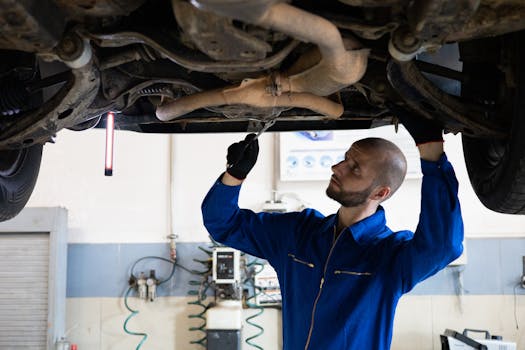
The phrase blacksmith is to anvil as mechanic is to sets the stage for an exploration of the tools and skills in two distinct yet surprisingly parallel professions. While blacksmiths work the forge, shaping metal with the rhythmic hammer against an anvil, mechanics operate in the automotive realm, wielding their tools with precision and expertise. But how do these professions compare, and what can we learn from their similarities?
Blacksmith is to anvil as mechanic is to toolkit
Both blacksmiths and mechanics rely heavily on distinctive tools that define their craft. For a blacksmith, the anvil serves as the foundational platform upon which metal is shaped and crafted. Similarly, in the world of mechanics, the toolkit is essential. It contains the required wrenches, screwdrivers, and diagnostic devices imperative for vehicle maintenance and repair. Tools in both professions are carefully selected and maintained, underscoring their critical role.
The transformation of raw materials and automobiles requires not only skill but also the right equipment. For instance, while a blacksmith might select a particular hammer for forge welding, a mechanic might choose a torque wrench to ensure engine bolts are properly secured. The precision in tool choice and usage illustrates the depth of knowledge and practice within each field.
The Craftsmanship of Blacksmithing
Blacksmithing is an ancient trade with roots deeply embedded in history. It involves transforming metal into functional and decorative items. The anvil is more than a tool; it’s a partner in the crafting process, acting as the hard surface against which the blacksmith’s visions become reality. With each strike of the hammer, blacksmiths display mastery over their material, blending strength and artistry.
In the modern context, blacksmithing hasn’t lost its relevance. Today’s artisans continue to embrace traditional techniques while integrating contemporary designs. This blend of old and new ensures that the craft remains vibrant and adaptive. Those interested in pursuing blacksmithing can find resources and professional courses to cultivate their skill, learning from seasoned veterans of the trade.
Mechanics: Modern-Day Artisans
In contrast, automotive mechanics are the modern-day artisans who keep our vehicles running smoothly. Much like blacksmiths, they possess a keen understanding of their materials and tools. Mechanics diagnose and solve complex mechanical issues, ensuring that vehicles operate at peak performance levels. Their toolkit is akin to a blacksmith’s anvil—essential and tailored for each job.
Mechanics must stay abreast of evolving technology. With the advent of electric and hybrid vehicles, the automotive field is rapidly changing, requiring continuous education and adaptation. To succeed, modern mechanics must blend traditional mechanical skills with knowledge of cutting-edge technology.
For those considering a career in this flourishing field, understanding what an automotive service technician’s responsibilities entail can be highly beneficial. This insight paves the way for a successful and rewarding career trajectory.
Shared Challenges and Learning Curves
Both trades share a unique set of challenges. Precision, safety, and continuous learning are critical in both fields. Blacksmiths must create structurally sound and aesthetically pleasing items, while mechanics ensure the functionality and safety of vehicles. Errors in either profession can have significant ramifications, underscoring the necessity for meticulous attention to detail.
Moreover, both professions demand an ongoing commitment to education. Blacksmiths might attend workshops or conventions to refine their skill, while mechanics often pursue certifications or training programs to keep pace with automotive technology advancements. This perpetual learning underscores the genuine craftsmanship involved in both trades.
The Role of Education in Developing Skills
Regardless of the differences in their output, education forms the backbone of both blacksmithing and automotive mechanics careers. Aspiring blacksmiths may apprentice under experienced masters to hone their practical skills and artistic vision. In contrast, mechanics often enroll in technical schools or community college programs where they gain foundational knowledge in vehicle systems, diagnostics, and repair techniques.
The emphasis on education in these fields reflects a broader trend toward professional development and skill enhancement. For a more detailed exploration, consider visiting this Wikipedia page on education, which outlines various educational pathways and their relevance in today’s workforce.
Conclusion: A Reflection on Craftsmanship
In conclusion, the saying blacksmith is to anvil as mechanic is to toolkit highlights the essential relationship between craftsmen and their tools. Both blacksmiths and mechanics demonstrate a mastery of their respective crafts, characterized by a deep understanding and application of skill. As they adapt to modern demands, the underlying principles of precision, dedication, and continuous learning remain unchanged.
- Blacksmithing and automotive mechanics are distinct yet parallel professions.
- Both rely heavily on precision tools, such as anvils and toolkits.
- Continuous learning and skill development are crucial in both fields.
- Education provides the foundation for professional excellence.
- Modern demands necessitate adaptation and technological integration.
What are the main tools used in blacksmithing?
Blacksmiths typically use anvils, hammers, tongs, and forges to shape and create metal objects.
How do mechanics stay updated with the latest automotive technologies?
Mechanics often take part in continuing education programs, attend workshops, and earn certifications in the latest automotive technologies.
Why is education important in trades like blacksmithing and mechanics?
Education provides the foundational knowledge and skills necessary for craftsmanship, safety, and professional growth in these trades.
What skills do blacksmiths and mechanics need to be successful?
Both require precision, problem-solving abilities, attention to detail, and a commitment to lifelong learning.
Are there similarities in the challenges faced by blacksmiths and mechanics?
Yes, both professions face challenges such as maintaining precision, ensuring safety, and keeping up with industry advancements.