
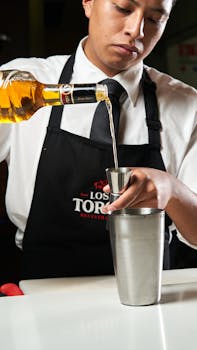
Aiming to craft the ideal resume for a bartending position? Whether you’re stepping into the world of mixology for the first time or an experienced bartender refining your presentation, a compelling resume can significantly boost your career prospects. A sample bartender resume can reveal how to best showcase your skills, experience, and unique qualities. In this guide, we will explore how you can structure your resume to stand out and attract the attention of potential employers.
Why a Sample Bartender Resume is Important
Employers in the food and beverage industry receive countless resumes for bartending positions. A well-crafted resume serves as your first impression, functioning as a powerful tool to communicate your experience and skills. A sample bartender resume acts as a blueprint to help you understand what information is essential and how to present it effectively. Understanding the typical components can greatly enhance your ability to craft a personalized and impactful resume.
Key Components of a Bartender Resume
When writing your bartender resume, it’s crucial to incorporate several core components that together form a comprehensive summary of your qualifications:
Contact Information
Your contact details should be at the top of your resume, ensuring that potential employers can easily reach you. Include your full name, phone number, email address, and LinkedIn profile if applicable.
Objective or Summary Statement
Write a clear, concise objective or summary statement. Tailor it to the specific position you are applying for and highlight your career aspirations as a bartender. Mention any special skills or qualifications that will make you a strong candidate.
Work Experience
This section should list your previous employment in reverse chronological order. Focus on bartending positions or related roles in the hospitality industry. Use bullet points to detail your responsibilities and achievements, demonstrating your ability to manage bar operations, interact with customers, and craft cocktails efficiently.
Skills
Highlight both hard and soft skills relevant to bartending. Examples of hard skills include drink mixing techniques and knowledge of popular cocktail recipes. Soft skills can be customer service, communication, and teamwork abilities. Explain how these skills enhance customer satisfaction and contribute to the smooth operation of the bar.
Education and Certifications
List your educational background and any certifications that are relevant, such as courses in bartending or food safety. This demonstrates a commitment to your craft and continual improvement.
Achievements and Awards
If possible, include any awards or honors you have received in your bartending career. This could be anything from a mixology competition win to an outstanding employee award. Accolades help differentiate you from other candidates.
Tips for Crafting a Strong Bartender on Resume Section
To further underscore your experience and suitability for a bartending role:
- Use action verbs to describe your responsibilities and accomplishments. Words such as “managed,” “developed,” and “coordinated” can add impact.
- Include metrics where possible, like increases in sales or customer satisfaction scores, to quantify your achievements.
- Customize your resume for each application. Align your skills and experience with the specific requirements of the job you are applying for.
Common Mistakes to Avoid
When drafting your resume, avoid these pitfalls:
- Overloading with irrelevant information. Be selective about what to include.
- Using a one-size-fits-all resume without custom tailoring.
- Submitting resumes with typos or errors; always proofread before submitting.
Remember, adjusting your approach can sometimes mean addressing past employment gaps effectively when applying to positions. For insightful advice on this topic, check out our article on explaining employment gaps on resumes.
Advancements and Opportunities in the Bartending Career
No matter your experience level, the bartending field offers numerous growth opportunities. Gain experience, enhance your skills, and continually educate yourself in areas such as mixology trends and customer service best practices. For more statistical insights and trends related to employment in the hospitality sector, the U.S. Bureau of Labor Statistics is a helpful resource. Visit Bureau of Labor Statistics: Bartenders for more information.
Your Path to a Successful Bartending Career
With a competitive sample bartender resume, you’ve taken the first step toward a successful career in bartending. By highlighting your unique qualifications and targeting opportunities that align with your career goals, you set yourself up for success. The job market is competitive, but a standout resume can keep you ahead of the game, paving a path to your ideal role in the world of mixology.
Crafting the Final Version of Your Resume
With the insights and strategies outlined, you’re now equipped to create a compelling sample bartender resume that reflects your professionalism and passion. The key lies in authenticity, precision, and a focus on the attributes that make you the perfect candidate for the role you’re aiming for.
- Takeaways:
- Use a sample bartender resume as a guide to structure your personal experience and skills.
- Highlight relevant experience, skills, and certifications.
- Avoid common resume mistakes like typos and irrelevant content.
- Continually update your resume as you gain more experience and achievements.
- Tailor each resume submission to the job you’re applying for.
FAQ
What should I include in the skills section of my bartender resume?
Your skills section should reflect both technical skills like drink mixing and customer service skills. Tailor these to the requirements of the job description where possible.
How far back should my work experience go on a bartender resume?
Include relevant experiences over the last 10 years. Highlight roles that reflect your ability to manage bar functions and interaction with patrons.
Can I include non-bartending jobs on my resume?
Yes, if they are relevant to the skills needed for bartending, such as customer service, sales, or hospitality experience.
Is it necessary to include references on my bartender resume?
Generally, it’s not necessary to include references on your resume. It’s sufficient to note “References available upon request.”
How can I describe an employment gap on my resume for a bartender job?
Be honest about gaps in employment. Provide a brief explanation if asked, focusing on what you learned or how the time was spent developing skills relevant to the bartender role. See this link for more on addressing employment gaps.

