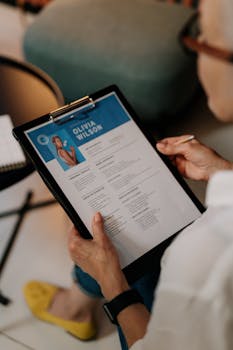
Embarking on a career in fashion is an exciting journey that begins with crafting the perfect fashion resume. This document is more than just a list of qualifications; it is your first impression, a showcase of your creativity, and a record of your achievements in the dynamic world of style. Crafting a compelling fashion resume requires an understanding of the industry’s unique demands and aesthetics. In this article, we’ll walk you through the crucial elements needed to create a resume that captures the attention of employers and sets you on the path to a successful fashion career.
Essential Elements of a Fashion Resume
Writing a fashion resume involves more than simply listing your previous roles. It’s a chance to highlight your creativity, attention to detail, and technical skills specific to the fashion industry.
1. Choose the Right Format
The fashion industry appreciates aesthetics, so your resume should reflect good design principles. Choose a clean, modern format with clear sections for easy reading. Use headings, bold text sparingly, and pay attention to spacing and alignment to create a visually appealing document.
2. Highlight Relevant Experience
Tailor your professional experiences to fit the job for which you’re applying. Emphasize roles that showcase your skills in fashion design, marketing, merchandising, or trend analysis. Briefly describe your responsibilities and achievements, focusing on those that demonstrate your impact and contributions.
3. Showcase Key Skills
Include a skills section that highlights both hard and soft skills. Important fashion industry skills might include proficiency in design software like Adobe Illustrator or CAD, fabric knowledge, or social media expertise for brand building. Soft skills such as communication, teamwork, and creativity are equally valuable.
4. Education and Certifications
Your educational background can set you apart, especially if you’ve attended renowned fashion institutes. List your degree(s) and any relevant certifications. Continual learning is vital, so also note workshops or courses that have expanded your expertise. For more information on further education, you can visit this educational resource.
5. Personal Projects and Portfolio
If applicable, mention personal projects or collections you’ve worked on, and include a link to your online portfolio. This can be a decisive factor, providing a visual complement to your written resume and showcasing your personal style and creativity.
Customizing Your Fashion Resume for Different Roles
The fashion industry is vast, with roles ranging from design and styling to marketing and retail management. Tailoring your resume for specific positions can greatly increase your chances of landing an interview.
Design Roles
For positions such as fashion designer or product developer, focus on creative skills and technical expertise, like sketching, pattern making, and fabric selection. Highlight any collaborations with fashion houses or independent collections.
Marketing and Public Relations
Emphasize your skills in brand strategy, social media, and communication for roles in fashion marketing or PR. Experience organizing events or liaising with media can provide a competitive edge.
Retail and Merchandise Management
Showcase your understanding of inventory management, sales strategy, and customer analysis. Include any managerial roles or achievements in increasing sales or improving customer experiences.
The Role of Creativity in Your Fashion Resume
While professionalism is crucial, your fashion resume should also reflect your creative essence. Utilize a styled template that represents your fashion aesthetic, ensuring it aligns with the brand you’re targeting. Creativity in a resume makes it memorable and aligns with the artistic values of your industry.
Final Tips for a Standout Fashion Resume
Before sending your resume, ensure it’s edited for clarity and grammar. Use active language and quantify achievements where possible to add impact. Avoid unnecessary jargon; clarity and simplicity can enhance understanding. Still refining your resume? It might be helpful to explore how to address gaps in employment effectively within such a fast-paced industry.
Your journey into the fashion industry commences with a standout fashion resume that reflects your individual style and professional accomplishments. Keep it updated as you gain more experience and skills. Remember, this document is your ticket to creativity, whether you’re starting out or seeking to advance to new heights in fashion.
- Understand the specific skills and experiences valued in your fashion niche.
- Create a visually appealing resume that reflects your personal brand.
- Tailor your resume to highlight relevant roles and achievements.
- Include a portfolio or links to showcase your work visually.
- Keep your resume clear, concise, and free of grammatical errors.
What makes a fashion resume different from other resumes?
A fashion resume is unique in its emphasis on creativity and design. It not only lists experiences and skills but also visually sets you apart with its aesthetic. Tailoring your resume to the industry’s visual standards is key.
Should I include an online portfolio in my fashion resume?
Yes, including a link to an online portfolio allows potential employers to view your work firsthand and can be pivotal in showcasing your personal style and achievements.
Which skills are most valuable in a fashion resume?
Skills such as design software proficiency, creativity, trend analysis, and communication are highly valued. Each role may prioritize different skill sets, so tailor your resume accordingly.
How should I format my fashion resume?
Use a clean, modern format with clear sections and appropriate use of bold and italics. The format should reflect your design sensibility without overshadowing the content.
Where can I find more resources to improve my fashion resume?
Online resources and courses can enhance your resume-building skills. For a broad educational perspective, consider resources like Wikipedia’s entry on education.