
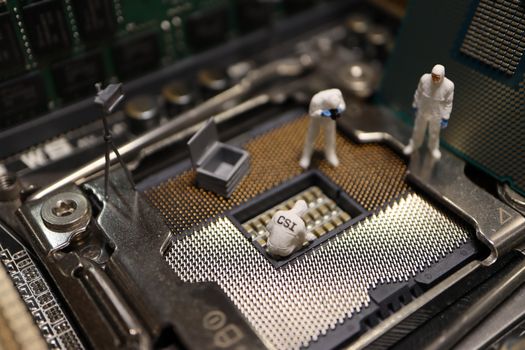
A company discovers that confidential files were copied shortly before an employee resigned. A hospital notices unusual activity in a user account. Police recover a damaged phone that may contain evidence. In each situation, someone must determine what happened without changing or contaminating the digital records. That responsibility often belongs to a digital forensic analyst.
This career combines technology, investigation, documentation, and critical thinking. It can be a strong fit for people who enjoy solving puzzles, examining small details, and explaining complicated findings clearly. However, the job involves much more than recovering deleted files or tracking hackers.
What Does a Digital Forensic Analyst Do?
A digital forensic analyst collects, preserves, examines, and interprets information from electronic systems. Evidence may come from laptops, mobile devices, servers, cloud accounts, email systems, removable drives, applications, or network logs.
The goal is usually to reconstruct events. An analyst may need to identify when a file was created, determine whether data was transferred, trace activity to a particular account, or explain how an attacker entered a system. According to the National Institute of Standards and Technology’s description of digital forensics, the work requires preserving information integrity and maintaining a strict chain of custody.
Typical responsibilities include:
- Creating forensic copies of devices and storage media
- Confirming that copied evidence matches the original data
- Recovering deleted, hidden, encrypted, or damaged information when possible
- Reviewing files, messages, browser activity, logs, and system records
- Building timelines of user or attacker activity
- Documenting who collected, accessed, transferred, and stored evidence
- Preparing written findings for investigators, managers, attorneys, or clients
- Explaining technical evidence during meetings, depositions, or court proceedings
Where Digital Forensics Is Used
Digital evidence is relevant far beyond criminal investigations. Businesses use forensic analysis after data breaches, suspected fraud, intellectual property theft, policy violations, and insider threats. Law firms may request help with litigation or electronic discovery, while government agencies investigate crimes and national security matters.
A digital forensic analyst may work for a law enforcement agency, consulting company, financial institution, government contractor, corporate security department, accounting firm, or specialized laboratory. Some positions focus almost entirely on cyber incidents, while others involve employee investigations, legal disputes, or mobile device evidence.
The daily environment depends on the employer. Corporate analysts may collaborate with cybersecurity and legal teams during an internal investigation. Law enforcement examiners may follow evidence-handling procedures designed for criminal cases. Consultants often manage several cases and must communicate regularly with clients.
Technical Skills That Matter
Strong analysts understand how computers store and process information. They do not need to memorize every operating system or application, but they should know where useful evidence may exist and how their actions could affect it.
Operating systems and file systems
Analysts should understand common desktop, server, and mobile operating systems. File-system knowledge helps them interpret timestamps, permissions, deleted records, user profiles, application data, and storage structures.
Networks and cybersecurity
Knowledge of internet protocols, network traffic, authentication, malware, and common attack methods is especially important in incident investigations. An analyst may need to connect evidence from a device with firewall records, account activity, or cloud logs.
Scripting and data handling
Basic scripting can help automate repetitive tasks, organize large datasets, search for patterns, and convert information into a usable format. Database and spreadsheet skills are also valuable because investigations can involve thousands or millions of records.
Evidence preservation
An analyst must know how to create defensible forensic images, calculate and compare hash values, protect original media, and document every step. A technically accurate conclusion can still be questioned if the evidence was handled carelessly.
Investigation and Communication Skills
Technical ability alone does not make someone an effective digital forensic analyst. The analyst must separate relevant facts from background noise and avoid reaching conclusions before the evidence supports them.
Important professional skills include:
- Attention to small inconsistencies and changes
- Logical reasoning and timeline reconstruction
- Patience when examining large quantities of data
- Clear, neutral report writing
- Respect for privacy, confidentiality, and legal boundaries
- The ability to explain technical findings to nontechnical readers
- Comfort acknowledging uncertainty or limitations
Reports should describe what was examined, how the examination was performed, what was found, and what the evidence can reasonably establish. Analysts must distinguish between a confirmed fact and a possible interpretation. This objectivity is essential when employment decisions, financial losses, or criminal charges may be involved.
Education and Training Routes
There is no single path into the profession. Many analysts hold a bachelor’s degree in cybersecurity, computer science, information technology, criminal justice, or digital forensics. Others enter through technical support, network administration, law enforcement, auditing, military service, or incident response.
A degree can provide a broad foundation, but employers also look for practical ability. Useful training should cover evidence acquisition, Windows and Linux systems, mobile devices, networking, legal concepts, forensic reporting, and hands-on case exercises.
Professional certifications may help demonstrate focused knowledge, although they should complement rather than replace practical experience. Before choosing one, compare its prerequisites, technical depth, renewal requirements, and relevance to the jobs you want. Employer requirements vary, and advanced credentials may expect several years of experience.
A home lab can provide valuable practice. Students can create test accounts and files on a virtual machine, record normal activity, delete selected data, and then examine the resulting artifacts. Practice material should come from systems and accounts the student owns or has explicit permission to investigate.
How to Get Your First Role
Entry-level positions may not use the exact title “digital forensic analyst.” Job seekers should also search for roles such as forensic examiner, cyber investigations analyst, incident response analyst, e-discovery analyst, security operations analyst, or digital evidence technician.
A portfolio can demonstrate skills when professional experience is limited. It might include sanitized lab reports, investigation timelines, scripts, technical write-ups, or explanations of how a simulated incident was examined. Never include confidential employer information or real personal data without authorization.
Related experience can also create a route into the field. Help-desk, system administration, security operations, compliance, and network support jobs build familiarity with the systems analysts later investigate. The reasoning and communication abilities used in other analytical professions are relevant too. Someone comparing career options may find it useful to examine the responsibilities involved in building a career as an M&A analyst, where careful research, documentation, and evidence-based conclusions are similarly important.
Where the Career Can Lead
With experience, a digital forensic analyst may specialize in mobile devices, cloud environments, malware, network forensics, financial investigations, e-discovery, or incident response. Others become team leaders, laboratory managers, consultants, expert witnesses, or cybersecurity managers.
The work can also lead into threat hunting, penetration testing, security engineering, intelligence analysis, fraud examination, and corporate investigations. Analysts who combine technical depth with strong communication skills may eventually advise executives, attorneys, regulators, or law enforcement leaders.
Is Digital Forensics a Good Fit for You?
This career may suit you if you enjoy methodical problem-solving and can remain objective under pressure. You should also be prepared for continuous learning because operating systems, applications, devices, and attacker techniques change regularly.
The work can be demanding. Investigations may involve urgent deadlines, large amounts of repetitive data, on-call responsibilities, or exposure to disturbing material. At the same time, it offers the satisfaction of turning scattered digital traces into a clear, defensible account of events. For a careful and curious person, becoming a digital forensic analyst can open the door to a wide range of investigative and cybersecurity careers.

