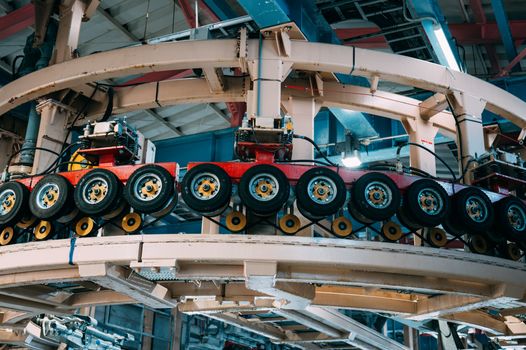
The world of manufacturing is filled with potential for those looking to embark on a new career path. Jobs at manufacturing facilities offer a range of opportunities that cater to a variety of skills and interests. Whether you are starting your career or considering a mid-life career shift, the manufacturing industry might be the perfect fit for you. From hands-on production roles to high-level management positions, manufacturing jobs are diverse and dynamic, providing pathways for growth and development.
Understanding Jobs at Manufacturing
Manufacturing encompasses the production of goods using labor, machinery, tools, and chemical or biological processing. It spans across numerous industries, including automotive, electronics, food and beverage, textiles, and more. This sector is the backbone of many economies, providing numerous jobs at manufacturing facilities around the globe. With technological advancements, modern manufacturing is evolving, requiring a workforce that is both skilled and adaptable.
Types of Manufacturing Jobs
The manufacturing sector offers a wide array of jobs, each with its specific requirements and benefits. Here are a few notable categories:
- Production Workers: Responsible for operating machinery, assembling products, and ensuring quality standards are met.
- Quality Control Inspectors: Tasked with inspecting products to ensure they meet required specifications and quality standards.
- Manufacturing Engineers: Focus on designing, implementing, and improving manufacturing processes.
- Maintenance Technicians: Ensure machinery and equipment are in working order to minimize downtime and enhance productivity.
- Supervisors and Managers: Oversee operations, manage teams, and streamline processes to optimize production efficiency.
The Role of Technology in Manufacturing Jobs
Technology is playing a transformative role in manufacturing, leading to the emergence of advanced manufacturing jobs. Automation, artificial intelligence, and the Internet of Things (IoT) are creating new roles such as:
- Robotic Technicians: Maintain and program robotic systems used in production processes.
- Data Analysts: Utilize data analytics to optimize production processes and improve decision-making.
- IoT Specialists: Implement and manage IoT solutions to monitor and enhance manufacturing operations.
Skills Needed for Success in Manufacturing Careers
To thrive in manufacturing jobs, a combination of technical and soft skills is essential. Technical skills may include proficiency in using specific machinery, understanding of quality control processes, and familiarity with software used in manufacturing operations. On the other hand, soft skills such as communication, teamwork, problem-solving, and adaptability are equally crucial in navigating the dynamic manufacturing environment.
Why Choose a Career in Manufacturing?
Choosing a career in manufacturing comes with numerous benefits. The industry is known for offering competitive salaries, ample opportunities for advancement, and a chance to work with the latest technologies. Additionally, the sector supports a diverse workforce, allowing individuals from various backgrounds and skill levels to contribute meaningfully to the production process.
Educational Opportunities and Training Programs
There are numerous educational pathways available for those interested in pursuing jobs at manufacturing. Vocational schools, community colleges, and universities offer programs specifically designed to equip individuals with the skills needed for different manufacturing roles. Moreover, many companies offer on-the-job training and apprenticeship programs to help employees gain hands-on experience and advance their careers. To learn more about such opportunities, visit our article on earn while you learn programs.
Challenges Facing the Manufacturing Industry
While the manufacturing industry offers many opportunities, it also faces challenges. The need for skilled labor continues to grow, and there is a persistent gap between available jobs and qualified candidates. Additionally, globalization and shifting economic factors can impact manufacturing jobs, necessitating adaptability and continuous learning for sustainability in this field.
The Future of Jobs at Manufacturing
The future of manufacturing looks promising, with ongoing technological innovations and robust industrial growth. As the industry evolves, there will be an increased demand for innovative professionals who can navigate the complexities of modern manufacturing processes. Emphasizing sustainability and efficiency, future manufacturing jobs will likely focus on eco-friendly practices and smart technologies, offering rewarding careers for those willing to embrace change.
External Resources
To further explore the landscape of jobs at manufacturing, consider visiting the Bureau of Labor Statistics for up-to-date information on employment statistics and industry trends.
In conclusion, jobs at manufacturing provide a wealth of opportunities for personal and professional growth. By understanding the industry, acquiring the necessary skills, and embracing technological advancements, you can forge a successful career in this dynamic field.
- Manufacturing jobs offer diverse career paths and advancement opportunities.
- Technological innovations are reshaping the manufacturing landscape.
- Education and training are crucial for succeeding in manufacturing careers.
- The sector supports a diverse and inclusive workforce.
- Sustainability and smart technologies are shaping the future of manufacturing.
Frequently Asked Questions
What types of jobs are available in manufacturing?
Jobs in manufacturing vary widely, including roles such as production worker, quality control inspector, manufacturing engineer, maintenance technician, and managerial positions.
Is a career in manufacturing a good choice?
A career in manufacturing can be very rewarding, offering competitive salaries, advancement opportunities, and the chance to work with cutting-edge technologies.
What skills are needed for manufacturing jobs?
Success in manufacturing requires both technical skills (like machinery operation) and soft skills (such as communication and problem-solving).
Are there educational programs for manufacturing careers?
Yes, many educational institutions offer programs ranging from vocational training to advanced degrees, designed to prepare individuals for various manufacturing roles.
How has technology affected manufacturing jobs?
Technology has introduced automation, AI, and IoT into manufacturing, leading to more efficient processes and the creation of new job roles that require tech-savvy professionals.