
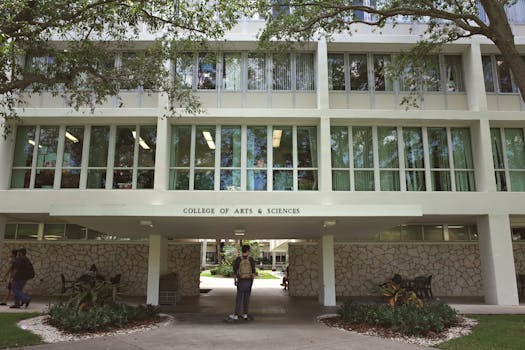
When it comes to pursuing higher education, many students dream of attending prestigious schools. For those searching within a more intimate setting, the term “little ivies” often comes up. These colleges, while not as widely known as the traditional Ivy League schools, offer a similarly rigorous academic experience and sense of prestige in a smaller, often less urban, environment. Understanding what makes these small ivy colleges noteworthy can help students decide if they are the right fit.
Understanding the Little Ivies
The little ivies are a group of esteemed, smaller colleges located primarily in the Northeastern United States. Though they differ significantly in size and location, these institutions are bound by a commitment to delivering high-quality liberal arts education. They often boast small class sizes, enabling close interaction between students and faculty, which can foster a supportive and engaging learning environment.
Some frequently mentioned little ivy colleges include names like Williams College, Amherst College, and Wesleyan University. Each of these schools has its unique strengths, but they all contribute to nurturing an educational atmosphere compared to that of the larger Ivy League schools.
Characteristics of Little Ivy League Schools
The key features distinguishing little ivy schools include their emphasis on undergraduate education, a comprehensive curriculum, and a focus on producing leaders across various fields. These schools often offer strong alumni networks and robust career services to support students long after graduation. The intimate campus settings facilitate personalized academic experiences, often involving research opportunities, internships, and overseas study programs.
Although sometimes referred to as “junior ivy league schools,” these institutions independently hold their own levels of prestige without formal ties to the Ivy League. This distinction highlights the diversity and breadth of high-caliber educational opportunities available beyond the traditional big names.
Why Choose a Little Ivy School?
Prospective students who value close-knit communities and individualized attention might find the little ivy schools particularly appealing. The smaller student body fosters a strong sense of community and identity. Because of the smaller size, students may find it easier to participate in campus activities, hold leadership positions, and get involved in various clubs and organizations.
Academically, the rigorous programs offered by these schools prepare students effectively for graduate studies or immediate entry into their chosen careers. A degree from any of the little ivys might carry considerable weight, resonating with employers and organizations worldwide.
Exploring the List of Little Ivies
There isn’t an official list of little ivies, but numerous sources commonly include certain colleges under this informal umbrella. Here are a few:
- Amherst College: Known for its open curriculum and diverse academic offerings.
- Bowdoin College: Combines a strong liberal arts education with significant research opportunities.
- Pomona College: This school is part of the Claremont Colleges, offering vast cross-registration opportunities.
- Swarthmore College: Known for strong emphasis on social responsibility and global citizenship.
Each school has its unique set of strengths, offering various specialized programs and opportunities to distinguish students academically and in extracurricular projects.
The Little Ivies Experience
The student experience at little ivy schools often mirrors larger ivy league institutions but in a more personalized setting. Academics are at the core of the little ivy experience, often supplemented by a wide array of extracurricular opportunities, internships, and study abroad programs.
Community engagement and involvement are highly encouraged, and students can explore passions through various avenues. For those interested in the arts, technology, or other niche fields, some schools have specialized programs or affiliations. For instance, Students interested in digital arts can explore options through [Graphic Design Schools](https://scholarshub.net/best-graphic-design-schools-rankings-for-2025/).
Beyond the Academics
The social environment in these schools contributes significantly to the overall experience. With smaller, more focused campuses, students develop close relationships with peers and faculty alike. This fosters a more holistic educational approach, nurturing both academic and personal growth.
Despite their small size, these colleges often have vibrant sports teams, active student organizations, and numerous cultural events. This creates a balanced college experience, combining academics with personal and social development. Moreover, access to alumni networks can play a significant role in career development post-graduation.
Little Ivies and Their Lasting Impact
Graduating from a little ivy college can open doors similar to those opened by larger, more internationally renowned institutions. The focus on holistic development, robust alumni networks, and positioning in attractive locations can lead to numerous professional opportunities.
While the decision to attend a little ivy school will depend on individual preferences, these institutions have proven their enduring impact on students and alumni success across generations. Students are encouraged to assess what aspects of a college are most important to them and consider the most fitting choice for their educational journey.
In conclusion, understanding the little ivies is crucial for making informed college choices. Whatever the preference, these schools offer unique benefits, balancing academic rigor with personal growth in intimate settings.
For more detailed information about higher education options, refer to this overview of education systems.
- Little ivy schools offer an intimate undergraduate experience.
- These colleges maintain a reputation for academic rigor similar to the traditional Ivy League.
- Students benefit from small class sizes and personalized educational experiences.
- Alumni networks and community engagement are significant strengths.
- Choosing a little ivy can lead to substantial personal and professional growth.
What are the little ivies?
The term “little ivies” refers to a collection of prestigious, smaller liberal arts colleges in the United States, known for their rigorous academic programs and intimate campus environments.
How are little ivy schools different from Ivy League schools?
Little ivy schools are typically smaller in size and focus on personalized, undergraduate liberal arts education. While they share academic prestige, they offer a different kind of campus life compared to larger Ivy League universities.
Can attending a little ivy benefit my career?
Yes, attending a little ivy can provide substantial career benefits, including access to strong alumni networks, career services, and a reputation that emphasizes both academic and personal development.
Is there an official list of little ivy colleges?
No official list exists, but commonly recognized institutions include Amherst College, Williams College, Bowdoin College, and others known for their excellence in undergraduate education.
Why would a student choose a little ivy over a larger university?
Students may choose a little ivy for the close-knit community, smaller class sizes, individualized attention from faculty, and the opportunity for robust undergraduate experiences in liberal arts settings.

