In today’s tech-driven world, the demand for skilled professionals in computer sciences is ever-growing. Many individuals are now discovering how to teach to build computers passion project as a way to not only learn important skills but also ignite a lifelong interest in technology. This practice not only enhances knowledge but also prepares individuals for various career opportunities in the tech industry.
Why Teach to Build Computers as a Passion Project?
Building computers as a passion project provides unique opportunities for experiential learning. This hands-on experience helps individuals understand computer components, improve problem-solving skills, and enhance technical knowledge. It serves as an excellent stepping stone for those aspiring to delve into the world of technology professionally.
The Educational Benefits
Teaching computer building fosters critical thinking and creativity. It encourages students to become more than just consumers of technology—they become creators and problem solvers. This project-based learning approach can lead to a deeper understanding of computing concepts that are vital in today’s digital age.
What’s Involved in Building a Computer?
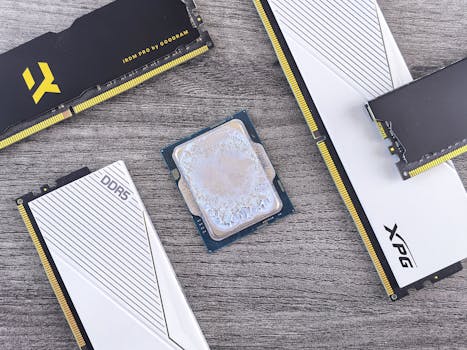
Building a computer involves assembling various components such as the CPU, motherboard, RAM, storage drives, power supply, and a case. Understanding how each part functions and connects is crucial. Assembling a computer allows learners to apply knowledge from diverse areas of computer science, enhancing both their interest and expertise in technology.
Getting Started with Your Project
Launching this project begins with clear goals and a roadmap. Start with researching which parts you need and understanding their functions. Resources such as online tutorials, forums, and guides—like those available from credible sources—can be invaluable in your journey.
Choosing the Right Components
It’s essential to select the appropriate parts that fit your budget and performance requirements. Each component, from CPU to GPU, plays a crucial role in the overall functionality of your build. Educating yourself on the latest technologies and trends can help ensure your computer meets your needs.
Tools and Setup
Before starting your build, gather the necessary tools, such as screwdrivers, anti-static wristbands, and thermal paste. Setting up a clean, organized workspace will allow you to assemble components efficiently and safely, minimizing risk of damage or injury.
Step-by-Step Guidance
Following a step-by-step guide can simplify the process. Online resources, including video tutorials and instructional articles, provide detailed instructions and troubleshooting tips. For a helpful overview, consider visiting this Wikipedia page on computer building.
Integrating the Project with Educational Goals
Incorporating the project into an educational curriculum can inspire students to pursue careers in technology. It provides practical, real-world applications for theoretical concepts learned in the classroom. This integration can also align with preparing students for competitive exams and career routes in government sectors and beyond. For more on computer courses and job preparation, check out our detailed guide.
Developing Passion through Innovation
One of the most rewarding aspects of teaching to build computers passion project is fostering innovation. As students configure and code their machines, they engage in a process of discovery and improvement, which can lead to groundbreaking ideas and solutions in the tech sphere.
Conclusion: Future Implications and Opportunities
The experience gained from teaching to build computers passion project opens doors to future opportunities. Whether you aim to advance your personal knowledge, prepare for a tech career, or simply enjoy the satisfaction of hands-on creation, the skills and experiences gained are invaluable. This project-based learning approach not only builds expertise but also encourages a lifelong passion for computing.
- Teaching computer building promotes critical thinking and problem-solving.
- The project involves assembling parts to understand computer functionalities.
- Engaging in this project can lead to numerous career opportunities.
- Building computers nurtures an environment for innovation and creativity.
- The initiative aligns with broader educational and career-preparing goals.
What skills do I need to teach computer building?
Basic knowledge of computer components and their functions is essential. Familiarity with troubleshooting and using online resources will also be beneficial.
Can this project benefit my career in technology?
Yes, building a computer provides practical experience and knowledge that can be valuable in any tech career.
What are the costs involved in building a computer?
The cost varies depending on the components selected. It can range from a few hundred to several thousand dollars.
Is any prior experience necessary for this project?
No prior experience is needed. With accessible resources and supportive communities, anyone can embark on this building project.
Can building computers be part of an educational curriculum?
Definitely. It can be integrated into curricula to provide real-world applications for theoretical concepts, preparing students for future careers.