
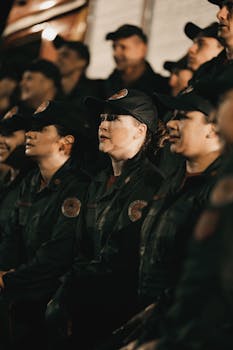
Volunteering for high school students is more than just a stepping stone to future opportunities; it’s a vital way to build skills and make a meaningful impact on communities. As students engage in volunteering, they gain valuable experiences that can help them in their future careers and personal development. Community service not only enriches their academic life but also fosters a deeper understanding of social responsibilities.
Why Volunteering for High School Students Matters
Engaging in community service allows high school students to develop a range of skills. From communication to leadership, these skills are transferable to any future career path. Volunteering teaches time management and problem-solving, while also exposing students to diverse perspectives and experiences. These opportunities promote empathy and social awareness, encouraging students to become active, informed citizens.
Educational Benefits of Volunteering
Volunteering offers numerous educational benefits for high school students. Participating in community service projects can enhance students’ resumes and college applications, showcasing their commitment to service. In addition, students often receive school credits for their volunteer work, integrating real-world experience with academic achievement.
Furthermore, volunteering helps students apply classroom knowledge to practical situations. For example, a student with an interest in biology might volunteer at a local health clinic, applying their academic learning to community health initiatives.
Career Exploration and Skill Development
Community service offers high school students a unique chance to explore various fields before choosing a career path. Volunteering in different sectors—from the arts to technology—provides unparalleled exposure to potential career opportunities. Students gain firsthand experience and develop networks that may be beneficial in their future professional lives.
For instance, a student interested in education could volunteer at a local tutoring center or after-school program. This hands-on experience can inspire and guide their career choice in the teaching profession.
Building a Network Through Volunteering
Volunteering isn’t just about giving back; it’s also about meeting people who share similar interests and values. High school students can build a network of mentors and peers that can provide guidance and support throughout their academic and professional journeys. Connections made through community service can lead to job shadowing, internships, and even lifelong friendships.
The Personal Benefits of Volunteering for Students
Volunteering allows students to grow personally. It boosts confidence and self-esteem by allowing them to achieve tangible results and make a difference in their communities. The challenges encountered while volunteering can also enhance resilience and adaptability, qualities that are essential in both personal and professional settings.
Moreover, volunteering offers a sense of belonging and purpose. Students learn to appreciate the impact they can have on others, which in turn strengthens their passion for creating positive change in the world.
How to Get Started with Volunteering
For students eager to begin their volunteer journey, the first step is identifying causes they are passionate about. They can start by exploring opportunities at local non-profits, schools, or community centers. Websites dedicated to matching volunteers with organizations are also a valuable resource.
It’s crucial for students to consider the time commitment and type of work involved, ensuring it aligns with their academic schedules and interests. Encouragement from teachers and parents can also play a significant role in motivating students to participate in volunteering activities.
To learn about the link between community service and education benefits, students can explore these examples of recommendation letters for students that highlight goodwill involvement.
Resources for Finding Volunteer Opportunities
Numerous platforms provide a gateway to a myriad of volunteering projects suitable for high school students. Websites like VolunteerMatch and local service organizations list volunteer opportunities based on location and interest. Schools often collaborate with community services to inform students of available volunteer programs nearby.
Additionally, using resources like the Wikipedia page on education can provide broader insights into the social impacts of volunteering in the educational sphere.
Conclusion: Volunteering Empowers Future Leaders
Volunteering for high school students is not only a significant contribution to society but also an investment in their future. It empowers students by equipping them with the skills needed in a rapidly evolving world. Community service cultivates responsibility and compassion while helping students uncover passions and potential career paths. As future leaders, these students become proactive agents of change in their communities and beyond.
- Volunteering enriches students’ academic and personal growth.
- Community service fosters essential life and career skills.
- Volunteering opportunities help students explore various career paths.
- Engaging in service cultivates empathy and social awareness.
- Students build networks that support their future endeavors.
What are the benefits of volunteering for high school students?
Volunteering equips students with practical skills, enhances their resumes, provides networking opportunities, and fosters personal growth.
How can volunteering improve college applications for students?
Colleges often look for applicants who are well-rounded. Volunteering showcases a student’s commitment to their community, demonstrating initiative and responsibility.
Where can high school students find volunteer opportunities?
Students can find opportunities through school career centers, local non-profits, and online platforms such as VolunteerMatch.
Can volunteering help with career exploration?
Yes, volunteering exposes students to various fields and professional environments, helping them make informed career choices.
How many hours should high school students volunteer?
The number of hours may vary, but students should aim for a balanced schedule that allows them to contribute meaningfully without compromising their academics.

