
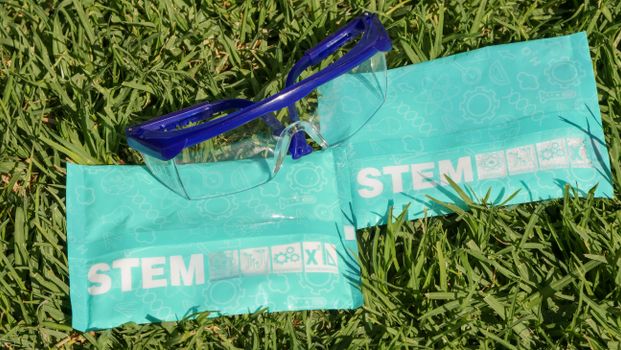
Engaging middle school students in STEM activities is a great way to spark their interest in science, technology, engineering, and mathematics. These activities not only support academic growth but also nurture critical thinking, creativity, and problem-solving skills. By providing hands-on learning experiences, STEM activities for middle schoolers help students make connections between theoretical concepts and real-world applications.
STEM Activities for Middle Schoolers
Middle school is a pivotal time for students to explore new interests, and incorporating STEM projects into their learning can make this exploration both fun and educational. Below, we provide a selection of engaging STEM activities perfect for middle school students. These projects help develop essential skills that are crucial for their future education and career paths.
1. Build a Simple Rover
Students can learn about engineering and mechanics by constructing a simple rover using basic materials like cardboard, plastic wheels, and small electric motors. The project introduces concepts like motion, forces, and energy. Encouraging students to experiment with different design modifications enhances problem-solving skills and fosters creativity.
2. Create a Soda Bottle Rocket
This activity combines chemistry and physics, allowing students to explore propulsion and aerodynamics. By using a mixture of vinegar and baking soda to power the rocket, students observe chemical reactions and the principles of pressure and thrust. Learn more about rocketry and its applications with this insightful external resource.
3. DIY Water Filtration System
Water purification is an excellent way to teach students about environmental science and engineering. They can build a simple filtration system using items like sand, gravel, and activated charcoal. This experiment helps elucidate the importance of clean water and various filtration methods used globally.
4. Experiment with Coding and Robotics
Robotics and coding offer hands-on ways to engage with technology. Using programmable kits, students can create simple robots, thereby learning programming languages like Scratch or Python. By programming the robot to complete tasks, they gain insight into automation and artificial intelligence.
5. Solar Oven Challenge
The solar oven challenge introduces students to renewable energy and sustainability. By constructing a basic solar oven using cardboard boxes and reflective materials, they study how solar energy can be harnessed to cook food. It’s a practical project that demonstrates the importance of eco-friendly solutions.
6. Egg Drop Experiment
This classic experiment emphasizes the concepts of physics, particularly gravity, motion, and impact. Students design protective containers to prevent an egg from breaking when dropped from a height. The activity encourages innovation and critical thinking as they test and refine their designs.
7. Investigate Sound Waves
Exploring sound waves involves both science and creativity. Students can create simple musical instruments and experiment with different materials to observe how sound is produced and propagated. Discussing concepts such as frequency and amplitude enhances their understanding of acoustics.
Benefits of STEM Projects for Middle Schoolers
Incorporating STEM projects into the curriculum has numerous benefits beyond academics. It fosters a lifelong love of learning by making complex subjects accessible and fun. By completing these projects, students boost their confidence and develop a growth mindset, which is vital for overcoming challenges.
STEM activities are not limited to the classroom. Parents and guardians can also participate by encouraging these projects at home. This shared experience strengthens familial bonds and supports learning outside traditional settings.
Moreover, exposure to STEM activities can inspire students to consider careers in fields like engineering, computer science, and biotechnology. Numerous online resources are available for those interested in expanding their knowledge, such as free online courses in astrophysics and quantum science.
How to Get Started
To begin, educators and parents should identify areas of interest for students and gather materials for the chosen activities. Collaboration with local community organizations or schools can also provide additional resources and support. Encouraging peer collaboration during these projects enhances learning through shared ideas and teamwork.
Additional Tips for Success
Here are some additional tips for successfully implementing STEM activities for middle schoolers:
- Start with simple projects and gradually introduce more complexity.
- Encourage students to ask questions and express their ideas.
- Provide constructive feedback and celebrate success.
- Incorporate technology, such as computer simulations or virtual experiments, to complement hands-on activities.
- Facilitate discussions that connect the activities to real-world issues and innovations.
STEM activities for middle schoolers foster a dynamic educational environment that prepares students for future challenges. By incorporating these activities into everyday learning, we lay the groundwork for a new generation of thinkers and innovators.
- STEM activities enhance creativity and critical thinking in students.
- Projects like building a solar oven or a simple rover introduce fundamental scientific concepts.
- Participation in STEM projects can spark interest in future STEM careers.
- Hands-on activities make learning engaging and fun.
- Collaboration in these activities helps build teamwork and communication skills.
FAQs
What are some easy STEM activities for middle school students?
Some easy STEM activities include making a soda bottle rocket, creating a water filtration system, and experimenting with sound waves using homemade instruments.
How can STEM projects benefit middle schoolers?
STEM projects encourage creativity, improve problem-solving skills, and introduce students to science and technology concepts in an engaging way.
Do students need special tools for STEM activities?
While some projects may require specific tools, most STEM activities can be conducted with everyday materials found at home or school.
Can parents help with STEM activities?
Yes, parents can facilitate and participate in STEM projects at home, helping to strengthen learning and family bonds.
Are online resources available for further STEM exploration?
Yes, there are numerous online resources and free courses available to explore STEM subjects further, such as those offered by top universities.

