
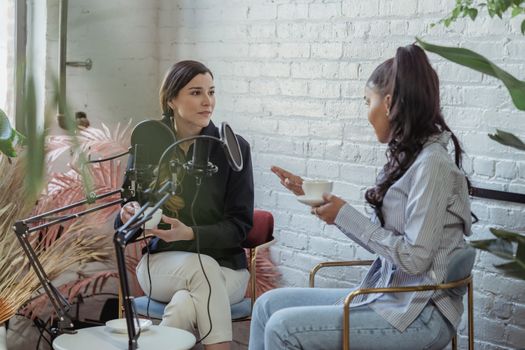
Engaging in conversations is an essential part of daily life. To excel in communication, many people ask, “How do I become a better active listener in conversations?” Mastering active listening can enhance your personal and professional interactions by allowing you to truly connect with the speaker and understand their message.
How Do I Become a Better Active Listener in Conversations?
Active listening is more than hearing words; it’s about understanding the speaker’s message, responding thoughtfully, and retaining the information. Let’s explore the ways you can improve your active listening skills.
Understand the Principles of Active Listening
Active listening involves several key principles. First, give the speaker your full attention by putting away distractions like your phone or computer. Maintain eye contact and focus on the speaker’s words, tone, and body language. This attentiveness shows the speaker that you’re engaged and interested in their message.
Practice Reflective Listening
Reflective listening is a technique that helps confirm the message received. After the speaker shares their message, paraphrase what you heard and repeat it back to them. For example, “What I’m hearing is that you’re concerned about the project’s timeline, did I get that right?” This not only shows that you are paying attention but also provides an opportunity for clarification.
Avoid Interrupting
Interruptions can disrupt the flow of conversation and may lead the speaker to feel undervalued. Wait for the speaker to pause or finish speaking before jumping in with your thoughts or questions. Patience in this aspect allows the speaker a complete expression of their thoughts and ensures you have all the necessary information for an informed response.
Be Aware of Body Language
Non-verbal cues are as important as verbal communication. Nodding, leaning slightly forward, and maintaining open posture can communicate interest and engagement. Conversely, crossed arms or looking at your watch might suggest disinterest.
Ask Open-Ended Questions
Encourage the speaker to share more by asking open-ended questions. Questions like “Can you tell me more about that?” or “How did that make you feel?” can deepen the conversation and provide more context.
Develop Personal Skills for Effective Listening
Improving listening skills often involves working on your personal development. Being an empathetic listener is about understanding and sharing the feelings of others, helping to strengthen relationship bonds. Here are some strategies to build on your listening skills:
Mindful Listening
Mindfulness in listening means being present in the interaction. It requires setting aside personal biases and judgments to fully absorb the speaker’s message. Taking a moment to clear your mind before engaging in conversation can enhance your focus and receptivity.
Give Appropriate Feedback
Feedback is an important component of active listening. It can be verbal, such as saying “I understand,” or non-verbal, such as nodding. Ensure that your feedback is appropriate and matches the context of the conversation. Feedback also provides an opportunity for the speaker to elaborate or clarify their message if needed.
Relax Your Mind
A clear and relaxed mind is crucial for effective listening. Stress and preoccupations can distract you from fully engaging in a conversation. Techniques such as deep breathing or taking a brief walk before important discussions can help you clear your mind and improve concentration.
Apply Active Listening in Different Settings
Whether at work, in social settings, or at home, active listening can be applied to improve interactions. In work environments, being a good listener can enhance team dynamics and productivity. In social settings, it fosters better connections and understanding among friends.
For more resources on enhancing your skills and personal development, you might be interested in learning about how to get started with Google’s Return to Work program for moms, which emphasizes balancing multiple roles effectively.
Why Active Listening Matters
Active listening is vital for effective communication and building strong relationships. By focusing on the speaker, providing feedback, and asking clarifying questions, you make the speaker feel valued and understood. It’s a skill that can lead to greater personal and professional success, as it facilitates better understanding, empathy, and problem-solving.
For further reading on the importance of education and communication skills, visit this informative page on education.
Takeaways
- Active listening involves attention, reflection, and appropriate feedback.
- Practicing patience and avoiding interruptions are keys to effective listening.
- Empathy and mindfulness enhance personal and professional communication.
- Active listening strengthens relationships and improves teamwork.
- Personal development aids in mastering active listening skills.
FAQ
What is the importance of active listening in communication?
Active listening is crucial in communication because it ensures the message is correctly understood, leading to better interactions and stronger relationships.
How can I improve my active listening skills?
Improving active listening skills involves practicing attentiveness, avoiding interruptions, providing feedback, and asking clarifying questions. Engaging in mindful practices can also help.
Why should I practice open-ended questions?
Open-ended questions encourage more detailed responses, allowing deeper understanding and further exploration of the topics discussed.
What are the barriers to active listening?
Common barriers include distractions, personal biases, and stress. These can prevent effective communication and understanding.
How is active listening beneficial in professional settings?
In professional settings, active listening improves team dynamics, enhances productivity, and fosters better problem-solving through clear and effective communication.

