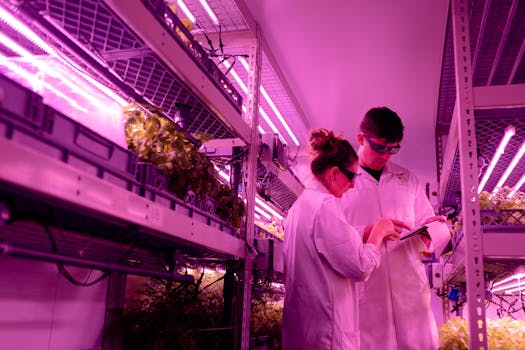
Understanding what key skills do you need to be food scientist is essential for anyone considering this rewarding field. Food science blends biology, chemistry, and technology to study the principles of food production, processing, and distribution. It is a diverse discipline offering numerous opportunities for innovation, especially with an increasing focus on sustainability and health.
What Key Skills Do You Need to Be Food Scientist?
Being a food scientist requires a unique blend of technical and soft skills. These competencies enable professionals to innovate, solve complex problems, and communicate effectively with stakeholders. Let’s explore these essential skills in detail.
Technical Skills
Technical expertise forms the backbone of a successful career in food science. A deep understanding of chemistry and biology is foundational, as food scientists often analyze the chemical makeup of food products. Skills in microbiology are equally important, particularly for those in food safety roles, where knowledge of microorganisms and their effect on food quality is crucial.
Additionally, having prowess in data analysis is becoming increasingly important in the field. Food scientists are tasked with conducting experiments and analyzing the results to improve food safety, quality, and production processes. Statistical skills and proficiency in software tools for data analysis are invaluable.
Analytical and Problem-Solving Skills
Food scientists frequently encounter complex problems that require innovative solutions. Strong analytical skills help in developing hypotheses and designing experiments to test them effectively. Problem-solving abilities come into play daily, whether developing a new product or improving an existing one. Analytical thinking helps in identifying issues, while creative problem-solving leads to practical solutions.
Attention to Detail
In food science, small details can have significant implications. Whether ensuring accurate measurements during experiments or adhering to regulatory standards, precision is vital. Attention to detail helps avoid errors that could compromise food quality or safety.
Communication Skills
Being able to communicate findings and processes clearly is essential for a food scientist. They must convey complex technical information to non-specialists, including managers, marketing teams, and consumers. Written and verbal communication skills help in drafting comprehensive reports and presenting data clearly and persuasively.
Collaboration and Teamwork
Food scientists often work alongside a diverse set of professionals, from researchers to product developers. Collaborative skills are crucial for integrating knowledge from different areas and achieving common goals. Successful projects often hinge on the ability to work well with others, sharing insights and integrating feedback effectively.
Adaptability and Continuous Learning
The dynamic nature of food science means that technologies and regulations are constantly evolving. A successful food scientist stays abreast of industry trends and emerging technologies. Adaptability is crucial, as it allows professionals to apply new knowledge effectively in their work.
Engaging in continuous education, such as taking online microbiology classes, can be beneficial for those seeking to expand their skill set and keep up with industry changes.
Business Acumen
Understanding the business side of the food industry can provide a competitive edge. Skills in project management and financial understanding help food scientists align their innovations with market needs and company goals. Business acumen aids in resource management and strategic planning.
Regulatory Knowledge
A firm grasp of food regulations and safety standards is paramount. Food scientists must ensure that products comply with laws to protect consumers and avoid legal issues. Staying informed about the latest regulatory changes is essential for maintaining compliance and ensuring product safety.
External resources, such as those available on Wikipedia, can provide additional insights into educational requirements and standards in food science.
- Food scientists need a blend of technical and soft skills.
- Continuous learning is crucial in this ever-evolving field.
- Effective communication and collaboration ensure success.
- Attention to detail safeguards food quality and safety.
- Regulatory knowledge is essential for compliance.
FAQ
What educational background is necessary for a food scientist?
A degree in food science, chemistry, microbiology, or a related field is typically required. Advanced degrees may be necessary for specialized roles.
Is teamwork important in food science?
Yes, collaboration is vital as food scientists often work with various professionals across different departments to achieve project goals.
How critical is attention to detail in food science?
Attention to detail is crucial in ensuring accurate results in experiments and maintaining compliance with safety standards.
Why is adaptability important for food scientists?
The field is constantly evolving, requiring professionals to stay current with new technologies and regulations to effectively apply them in their work.
What role does communication play in the role of a food scientist?
Effective communication is key for explaining complex scientific concepts to non-experts and collaborating with cross-functional teams.