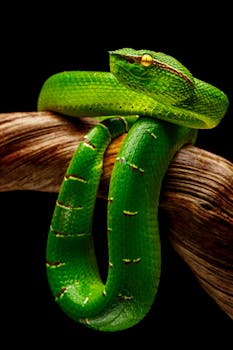
Are you wondering what you can do with a zoology degree? If you’re passionate about animals and their ecosystems, a degree in zoology offers a diverse range of career opportunities that blend science, research, and conservation efforts. Whether you aim to work in the field, conduct laboratory research, or pursue advanced studies, a zoology degree can be the stepping stone toward a fulfilling career in understanding and protecting wildlife.
What Can You Do with a Zoology Degree?
With a zoology degree, you can explore a variety of career paths that intersect with your interests and skills. Common career options include roles in wildlife biology, conservation, research, and even education. Zoologists may also work with governmental agencies, non-profit organizations, or private companies that focus on environmental management and protection.
Wildlife Biologist
A popular career choice for zoology graduates is becoming a wildlife biologist. In this role, you will study animals in their natural habitats, observing their behaviors and interactions. Wildlife biologists often work for governmental agencies, such as the U.S. Fish and Wildlife Service, where they help to develop and implement conservation plans.
Conservation Scientist
Conservation scientists play a crucial role in managing and protecting the earth’s natural resources. They work with landowners, government bodies, and other stakeholders to improve land and water use without harming the environment. This career path is ideal for those who want to apply their knowledge of zoology toward conservation efforts and sustainable practices.
Researcher
For those who have a penchant for science and discovery, a career as a researcher could be fulfilling. Zoology graduates can work in laboratories conducting experiments that contribute to our understanding of animal biology, genetics, and ecology. Research positions are often found in universities, government labs, or private research institutions.
Environmental Consultant
Environmental consultants use their expertise in zoology and environmental science to advise businesses and government agencies on how to minimize environmental impact. They conduct assessments and develop strategies to reduce pollution, preserve ecosystems, and ensure compliance with environmental regulations.
Zoo or Aquarium Curator
A career in zoos or aquariums could also be on the horizon with a zoology degree. Curators are responsible for the care, welfare, and exhibition of animal collections. They work on breeding programs, educational outreach, and habitat conservation, making this a rewarding career for those passionate about animal welfare.
Education and Outreach
If you enjoy teaching, consider pursuing a career in education. With a zoology degree, you can become a science educator or work in educational outreach in museums or informal education settings. Educators have the opportunity to inspire the next generation of scientists and conservationists.
To get started on your zoology career journey, consider exploring accredited biology classes online for foundational knowledge and skills.
For more information on educational pathways and opportunities for zoology graduates, visit this educational resource.
Conclusion
In conclusion, what can you do with a zoology degree? The possibilities are vast and diverse. From engaging in field research to contributing to conservation science, a zoology degree opens up a world of opportunities to impact wildlife and their ecosystems positively. Whether you’re drawn to the scientific or educational aspects of zoology, this degree lays a strong foundation for a career devoted to the natural world.
- A zoology degree offers varied career paths in wildlife biology, conservation, and education.
- Options include roles as a wildlife biologist, environmental consultant, or researcher.
- Further study or specialization could enhance career prospects.
- Zoology graduates can work in governmental, non-profit, or private sectors.
- Passion for animals and nature is a common trait among those successful in this field.
FAQs
What skills are important for a career in zoology?
Skills needed for a career in zoology include strong analytical and research abilities, attention to detail, problem-solving skills, and a deep understanding of ecological principles.
Is further education necessary after obtaining a bachelor’s in zoology?
Pursuing further education can be beneficial, especially for more specialized or senior roles in research, academia, or high-level conservation positions.
Can a zoology degree lead to a career in marine biology?
Yes, a zoology degree can be a stepping stone toward a career in marine biology, particularly if you pursue further studies or specialization in marine sciences.
What are the employment prospects for zoology graduates?
Employment prospects are generally favorable, particularly in conservation, environmental consulting, education, and research, where there is constant demand for expertise in environmental issues and wildlife management.
How can I gain experience in the zoology field while studying?
Gaining experience can include internships, volunteering with conservation organizations, participating in fieldwork, and engaging with related community projects.