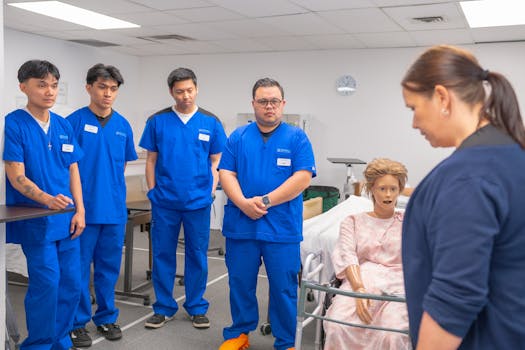
For high school students with a keen interest in the medical field, summer medical programs provide an exceptional opportunity to gain hands-on experience and exposure to real-world medical environments. These programs not only enhance the understanding of medical practices but also inspire and prepare aspiring medical professionals for their future careers. As interest in these programs grows, let’s explore what makes them valuable and how students can maximize their learning experiences.
Why Summer Medical Programs for High School Students Are Essential
Summer medical programs for high school students play a vital role in early career exploration. They offer a unique blend of education and practical experience that textbooks alone cannot provide. Participants often engage in interactive learning environments where they observe healthcare professionals, conduct medical experiments, and sometimes participate in clinical simulations. These programs are designed to ignite passion, drive curiosity, and cement the foundational knowledge necessary for a successful medical career.
Types of Programs Available
A variety of summer medical programs cater to high school students’ diverse interests. Programs range from general medicine to specialized fields such as surgery, pediatrics, or biomedical research. Here’s a look at some popular types:
- Clinical Experience Programs: These programs allow students to observe and sometimes assist healthcare professionals in hospitals or clinics, providing firsthand insights into patient care.
- Research-Based Programs: Ideal for students interested in the science behind medicine, these programs focus on lab work and scientific research methodologies.
- Anatomy and Physiology Courses: Students can delve into human body mechanics and functions through focused courses like Anatomy and Physiology online courses.
Benefits of Participating in Summer Medical Programs
Engaging in a summer medical program yields numerous benefits. Academic institutions and medical facilities often report that participants demonstrate improved skills in critical thinking, problem-solving, and teamwork. Additionally, students acquire valuable networking opportunities with professionals and like-minded peers, which can be advantageous for future educational and career paths. A well-chosen program can also enhance a student’s college application, showcasing their commitment and interest in the medical field.
How to Choose the Right Program
Picking the right program requires research and introspection. Students should consider their specific interests in the medical field, desired program location, and the program’s duration. Consulting with school advisors or medical professionals can also provide tailored recommendations suited to the student’s goals. Additionally, reviewing each program’s curriculum, structure, and alumni testimonials can offer meaningful insights into which program aligns best with a student’s aspirations.
Application Process
The application process for these programs typically includes submitting academic transcripts, personal statements, and letters of recommendation. Some programs may necessitate an interview to further assess a candidate’s passion and suitability. Students should be diligent in meeting application deadlines and preparing a comprehensive and thoughtful application package.
Online Summer Medical Programs: A Flexible Alternative
In light of recent global events, online summer medical programs have become increasingly popular. These programs offer flexibility and accessibility while maintaining a high standard of education. Through virtual lectures, simulations, and discussions, students can pursue their passion for medicine from the comfort of their homes. Online programs also provide opportunities for international collaboration, broadening students’ perspectives and understanding of global healthcare challenges.
Takeaways
- Summer medical programs offer invaluable hands-on experience for high school students.
- Various program types cater to interests in clinical, research, or specialized fields.
- Participation enhances college applications and provides networking opportunities.
- Careful program selection aligns with educational and future career goals.
- Online options offer flexible and accessible learning environments.
FAQ: Summer Medical Programs for High School Students
What age group can attend summer medical programs?
Most programs are designed for high school students, typically those aged 15-18.
Are these programs academically rigorous?
Yes, many programs include challenging coursework and hands-on activities that mimic real-world medical scenarios.
Do programs offer any certifications?
Some programs offer certificates upon completion, which can be beneficial in college applications and resumes.
What are the costs associated with these programs?
The costs vary widely depending on the program type, duration, and location. Some financial aid or scholarships may be available.
Where can I find more information about summer medical programs?
You can learn more about these opportunities from your school counselor or by visiting this educational resource for general guidance.
Embarking on summer medical programs for high school students is a proactive step towards a fulfilling career in medicine. By offering a blend of academic and practical experiences, these programs nurture the next generation of healthcare professionals.