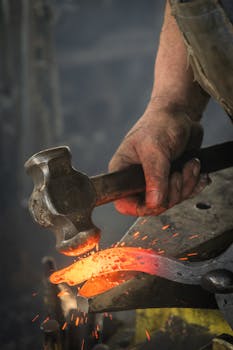
The art of blacksmithing offers a unique and rewarding career for those skilled in working with metal. If you’re considering a career in this field, you might be wondering, how much do blacksmiths make? Whether you plan to specialize in ornamental ironwork, custom knives, or traditional tools, understanding potential earnings and the factors that impact salary is crucial.
Understanding How Much Do Blacksmiths Make
Blacksmithing is both an art and a skilled trade, with earnings varying based on experience, location, and specialization. On average, blacksmiths in the United States earn around $35,000 to $55,000 annually. However, master blacksmiths with years of experience and a distinctive portfolio can earn significantly more. Many factors influence these numbers, from the cost of raw materials to the specific demands of the market.
Factors Influencing Blacksmith Earnings
1. Experience Level: Just like any other profession, experience plays a significant role in determining a blacksmith’s salary. Novices typically start at the lower end of the pay scale, while seasoned craftsmen can command higher wages for their expertise.
2. Specialization: Blacksmiths who focus on niche markets such as creating custom knives, historical replicas, or automotive parts might see different earning potentials. Unique, in-demand skills can lead to higher-paying opportunities.
3. Geographic Location: Wages for blacksmiths fluctuate based on the region. Areas with a rich tradition of metalworking or those with a high demand for custom metalwork often offer higher salaries to attract skilled artisans.
4. Market Demand: The demand for handcrafted items can significantly impact how much blacksmiths make. During periods of high demand, such as holidays or local festivals, blacksmiths might experience a surge in income.
Career Opportunities and Progression in Blacksmithing
Aside from financial considerations, a career in blacksmithing can be personally fulfilling. Experienced blacksmiths can progress to roles like shop owners, educators, or even historians. By crafting a unique niche within the industry, blacksmiths can elevate their status and earning potential.
For those interested in lucrative careers, exploring other options that might align with your interests can be beneficial. For more information on high-earning professions, check out this Beginner’s Guide to Jobs That Earn $80K a Year.
Education and Training for Aspiring Blacksmiths
While some blacksmiths are self-taught, formal training can jumpstart a career and enhance skill development. Many vocational schools and community colleges offer courses, and apprenticeships provide hands-on experience under the guidance of a master blacksmith.
For those seeking more extensive knowledge about the educational paths in blacksmithing and related trades, you can explore resources on platforms like Wikipedia to gain further insights.
Takeaways
- Blacksmith earnings range widely based on experience, location, and specialization.
- Unique skills and market demand greatly influence a blacksmith’s income.
- Formal education and apprenticeships can enhance career prospects.
- Master craftsmen and shop owners may earn significantly more through business ownership.
- Geographic location can significantly affect salary potential.
Frequently Asked Questions
What qualities make a successful blacksmith?
Success in blacksmithing often requires creativity, patience, a strong understanding of materials, and technical skills. Good business acumen and customer service are also valuable if running your own shop.
Do blacksmiths need formal education?
No formal education is strictly necessary, but many aspiring blacksmiths attend vocational schools or apprenticeships to gain foundational skills and hands-on experience.
How does one become a master blacksmith?
Becoming a master blacksmith typically involves years of practice, refining techniques, and learning from experienced mentors. Mastery is recognized by peers in the field and can lead to higher earning potential.
Is blacksmithing dangerous?
Blacksmithing involves working with hot metal and tools, posing some risks. However, proper training, safety equipment, and precautions can mitigate potential hazards.
Can blacksmithing be a lucrative career?
Yes, blacksmithing can be lucrative, especially for those who specialize in in-demand crafts or run successful businesses. As with any career, dedication and skill development are key to maximizing earnings.
If you’re passionate about this craft and ready to pursue a rewarding career, understanding how much do blacksmiths make is a great first step to setting realistic financial expectations and identifying growth opportunities.