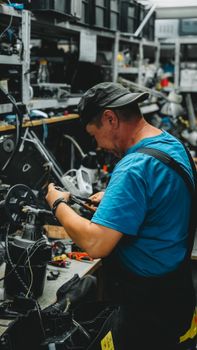
Assembler jobs have become vital in the manufacturing and production industries, serving as the backbone of many production lines. These roles are integral in creating products ranging from electronics to automobiles. As the demand for skilled workers rises, understanding the scope and opportunities within assembler jobs is crucial for individuals exploring career paths.
Understanding Assembler Jobs
Assembler jobs involve piecing together components of products on a production line. Workers in these positions ensure that parts fit correctly and meet quality standards before final products reach consumers. The nature of the work varies based on the industry—automobile, electronics, or textile manufacturing—and includes both manual tasks and the operation of machinery.
Assemblers may work with a variety of materials, including plastics, metals, and textiles. The job requires a keen eye for detail, excellent hand-eye coordination, and sometimes, troubleshooting skills to resolve production issues.
Skills Required for Success
To excel in assembler jobs, individuals need specific skills and attributes:
- Attention to Detail: A keen eye is necessary to ensure every component is assembled correctly.
- Technical Skills: Familiarity with machinery and tools helps in efficient production and troubleshooting.
- Manual Dexterity: Precision in handling small parts is critical, especially in electronics assembly.
- Problem-Solving: Addressing and solving assembly line issues promptly is a valuable skill.
Exploring Career Growth
The path within assembler jobs can lead to various career advancements. With experience, assemblers can move into supervisory roles, quality control, or even logistics. These positions not only enhance skill sets but also increase earning potential.
For those seeking continual learning and growth, consider learning opportunities that combine education and work experience. Such initiatives allow for skill enhancement while earning a salary.
Assembler Jobs in Different Industries
Assemblers can be found in numerous sectors, each with specific requirements:
- Auto Manufacturing: Assembling parts of vehicles requires precision and knowledge of machinery.
- Electronics: Small component assembly demands high levels of dexterity and technical aptitude.
- Home Appliances: Workers assemble larger products, often needing collaborative efforts.
The variety in job roles makes it possible for workers to find an industry that matches their interests and skills.
Staying Updated and Skilled
Technological advancements continuously reshape assembler jobs. Automation and AI influence processes, requiring assemblers to stay informed and skilled in new tools and practices.
Training programs and workshops offer opportunities to learn new technologies, ensuring workers remain competitive and invaluable to employers. It’s advisable to engage in lifelong learning in this ever-evolving career field.
For comprehensive insights into technological impacts on jobs, the Bureau of Labor Statistics offers resources that are worthwhile for any assembler eyeing growth and adaptation here.
Job Market and Salary Expectations
The job market for assemblers is stable, with numerous opportunities due to the global demand for manufactured products. Salaries vary based on factors such as location, industry, and level of experience. Many companies offer competitive wages and benefits, making it a sought-after path for those entering the workforce.
In conclusion, assembler jobs provide a foundational role in manufacturing, offering various opportunities for skill development and career progression. By staying informed and adaptable, workers can find successful and rewarding careers in this field.
- Assembler jobs are crucial in many industries including auto and electronics manufacturing.
- Attention to detail, manual dexterity, and technical skills are key for success.
- Career advancement opportunities are plentiful, leading to supervisory and specialized roles.
- Technological advancements require continuous learning and adaptation.
- The job market is stable with competitive wages offering rewarding career paths.
What do assembler jobs involve?
Assembler jobs entail piecing together parts of products and ensuring they meet quality standards. The work varies greatly depending on the industry, requiring both manual tasks and machinery operation.
What skills do I need for assembler jobs?
Critical skills for assembler jobs include attention to detail, technical knowledge, manual dexterity, and effective problem-solving abilities. These skills ensure efficiency and quality in assembly processes.
Is there a future in assembler jobs?
Yes, assembler jobs have a stable future thanks to the continuous demand for manufactured goods. As technology evolves, so do the roles within the field, offering career growth and learning opportunities.
How can I advance in my assembler career?
Advancing in an assembler career requires seeking additional training, learning new technologies, and gaining experience to move into supervisory or specialized roles. Education programs that combine work and learning are beneficial.
What industries hire assemblers?
Assemblers are hired in various industries, including automobile manufacturing, electronics, and home appliances. Each industry requires specific skills and offers unique job roles.