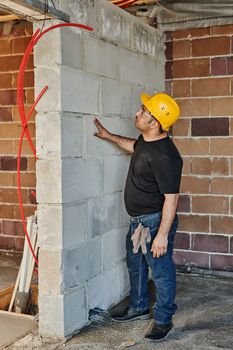
Building inspector jobs offer a unique blend of technical know-how, regulatory compliance, and public safety. This career involves ensuring that structures comply with various building codes and standards, protecting the public’s health, safety, and property. As construction continues to expand, the demand for skilled building inspectors is expected to grow, making it a promising field for those interested in architecture, engineering, or safety management.
The Role of Building Inspector Jobs
Building inspectors are responsible for examining buildings, bridges, dams, and other structures. They ensure that construction meets local and national building codes, ordinances, zoning regulations, and contract specifications. In building inspector jobs, inspectors may work for local governments, agencies, or self-employed as independent evaluators. Their daily tasks often include reviewing plans, conducting on-site inspections, and writing detailed reports.
Duties and Responsibilities
Building inspectors have a wide range of duties, including:
- Inspecting structures for compliance with building codes and regulations.
- Reviewing architectural plans and engineering specifications.
- Issuing and reviewing permits.
- Reporting on findings and ensuring any discrepancies are corrected.
- Staying updated on changes to codes and safety standards.
These responsibilities can vary depending on the specific focus of the inspection, such as electrical systems, plumbing, or overall structural integrity.
Career Opportunities and Growth
The need for building inspectors is tied closely to the construction industry. As urban development and infrastructure projects increase, so too does the demand for skilled inspectors. Some positions focus on specialized areas like plumbing or electrical systems, while others require broad inspection abilities across various domains. According to the Bureau of Labor Statistics, employment in building inspector jobs is expected to hold steady or increase modestly over the next decade.
If you’re interested in pursuing a career that offers stability and a good salary, building inspection is an option worth considering. For further insights into lucrative career paths, check out our beginner’s guide to jobs that earn $80k a year.
Educational Requirements and Training
To become a building inspector, most individuals have a background in architecture, engineering, or a related field. A minimum of a high school diploma is typically required, but many employers prefer candidates with some postsecondary education, such as an associate’s degree or certification in a relevant area.
Certification and Licensing
Certification is a crucial component for career advancement in building inspector jobs. Various organizations offer certification, including the International Code Council (ICC). While not always mandatory, earning certification demonstrates expertise and professionalism. Some states also have licensing requirements, which can include passing state-specific exams or fulfilling continuing education requirements.
Moreover, practical experience is invaluable. Many inspectors start by working in construction or a related field, gaining hands-on experience that informs their inspections and understanding of building codes.
Salary Expectations
Building inspector jobs typically offer competitive salaries. Salaries can vary widely depending on geographic location, experience, and specialization. In general, inspectors in large metropolitan areas or those with specialized expertise can command higher wages. According to recent data, the median salary for building inspectors is competitive with other professions requiring similar qualifications and skills.
Technical Skills and Personal Attributes
Building inspector jobs require a blend of technical skills and personal attributes for success. Key technical skills include knowledge of building codes, blueprints, and construction techniques. Inspectors also need to be detail-oriented, with a keen eye for identifying potential issues.
Personal attributes are equally important. Strong communication skills are necessary for writing reports and interacting with construction teams. Problem-solving skills and decision-making abilities also play a significant role in effectively addressing any issues that arise during inspections. Finally, inspectors must be able to work independently and manage their time effectively, moving between different inspection sites as needed.
Future Trends in Building Inspector Jobs
The future of building inspection is likely to be shaped by advancements in technology. Inspectors may increasingly use digital tools like drones and advanced software to conduct inspections more efficiently and accurately. Staying up-to-date with these technological advancements will be essential for anyone looking to succeed in this evolving field.
Additionally, as green building practices and energy efficiency become more mainstream, inspectors equipped with specialized knowledge in these areas will be especially valuable. Understanding environmentally sustainable building practices and materials could set future inspectors apart as industry leaders.
Conclusion
Building inspector jobs are a vital part of the construction and safety sectors, offering a challenging yet rewarding career path for individuals interested in public safety and regulatory compliance. With opportunities for growth, competitive salaries, and the potential to make a positive impact, this career path attracts those who enjoy both technical work and field operations.
As construction remains a cornerstone of urban development, building inspector jobs will continue to play a critical role in ensuring safety and compliance. If you’re looking for a stable career with room for advancement, building inspection may be the field for you to explore.
- Building inspectors ensure compliance with codes and safety standards.
- Career opportunities are tied to the construction industry.
- Certification and experience are key for career advancement.
- Salaries are competitive and can vary based on specialization.
- Technological advancements are shaping the future of inspections.
What does a building inspector do?
A building inspector evaluates construction projects to ensure they comply with building codes, safety standards, and regulatory requirements. They conduct on-site inspections and report on findings.
What qualifications are needed to become a building inspector?
Most inspectors have a background in architecture, engineering, or a related field. Many also pursue certifications from organizations like the International Code Council (ICC) to validate their expertise.
How much do building inspectors typically earn?
Salaries for building inspectors vary based on factors such as location, experience, and specialization but are generally competitive with other technical fields.
What skills are important for a building inspector?
Key skills include knowledge of building codes, strong communication abilities, attention to detail, and decision-making prowess. Technical skills with digital tools may also be advantageous.
Is there demand for building inspector jobs?
Yes, especially as urban development continues and new construction projects arise. Demand may vary regionally depending on construction activity levels.