Exploring career opportunities in occupational therapy programs can provide a rewarding path for individuals interested in helping people improve their daily living and working skills. Occupational therapy is a client-centered healthcare profession that focuses on promoting health and well-being through occupation. As the demand for healthcare professionals continues to rise, pursuing degrees and certifications in occupational therapy has gained significant popularity.
Understanding Programs Occupational Therapy
Occupational therapy programs are designed to equip students with the necessary skills and knowledge to become professional occupational therapists. These programs typically cover a variety of subjects, including anatomy, psychology, and therapeutic practices. The aim is to prepare students to assess and create custom treatment plans that empower individuals to perform their daily activities independently.
Types of Programs Available
There are various educational pathways for those interested in programs occupational therapy. These include associate degrees, bachelor’s degrees, master’s degrees, and doctoral degrees. Certificate programs are also available for those seeking specialized training or looking to enhance their current credentials.
- Associate Degree: This is generally the entry-level qualification, providing a basic foundation in occupational therapy concepts and practices.
- Bachelor’s Degree: A more comprehensive program that typically takes four years to complete, offering in-depth study and practical training.
- Master’s Degree: Often required for professional practice, this degree focuses on advanced clinical skills and research.
- Doctoral Degree: For those interested in leadership roles or academic positions, a doctoral degree delves into research and advanced therapeutic methods.
Certificate programs can also be valuable, especially for professionals in related fields, such as aged care or disability services. They provide an opportunity to gain specialized skills quickly. Check out our certificate options in aged care and disability for further insights.
Career Opportunities in Occupational Therapy
Graduates of occupational therapy programs have a wide array of career paths to pursue. Some may choose to work in hospitals, rehabilitation centers, schools, or private practices. Occupational therapists can specialize in areas such as pediatrics, mental health, geriatrics, or physical rehabilitation. This flexibility allows therapists to tailor their careers to their interests and strengths.
The job outlook for occupational therapists is promising. According to the Bureau of Labor Statistics, employment in this field is projected to grow faster than the average for all occupations. This growth is driven by an increasing understanding of the benefits of occupational therapy among populations of all ages.
Skills Required in Occupational Therapy
Occupational therapists need a variety of skills to be effective. These include:
- Communication Skills: Facilitating clear communication with patients and families to ensure successful treatment outcomes.
- Compassion and Patience: Empathy and patience are crucial when working with individuals facing life challenges.
- Problem-solving Skills: Ability to assess client needs and create tailored intervention plans.
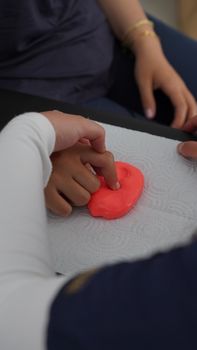
- Dexterity: Manual tasks are often a part of the therapeutic process, requiring fine motor skill proficiency.
Certification and Licensure Requirements
Practicing occupational therapists must meet certain certification and licensure requirements, which vary by region. In the United States, therapists must pass the National Board for Certification in Occupational Therapy (NBCOT) exam to obtain certification. Additionally, maintaining licensure often involves continuing education and periodic recertification, ensuring therapists stay current with industry developments.
Challenges and Rewards of the Profession
Like any profession, occupational therapy comes with its challenges and rewards. Therapists may encounter cases that are emotionally challenging or require extensive problem-solving. However, the personal and professional satisfaction of helping individuals achieve independence can be incredibly rewarding.
Success in this field often depends on staying informed about the latest therapeutic practices and adapting to new challenges. Continued education and specialized training can further enhance a therapist’s effectiveness and career prospects.
Conclusion: Explore Programs Occupational Therapy
Delving into programs occupational therapy opens numerous doors for those looking to make a difference in people’s lives. Whether you’re starting with an associate degree or advancing with a doctorate, these programs provide a pathway to a fulfilling and impactful career. By gaining the necessary credentials and skills, you can contribute significantly to the well-being of diverse populations, guiding them toward greater independence and quality of life.
- Occupational therapy programs offer a range of educational pathways.
- Career opportunities are diverse, from clinical settings to private practice.
- Important skills include communication, problem-solving, and dexterity.
- Certification and licensure are mandatory for practice.
- The profession presents both challenges and profound rewards.
FAQs
What are the main types of occupational therapy programs?
The main types of occupational therapy programs include associate degrees, bachelor’s degrees, master’s degrees, doctoral degrees, and certificate programs.
How long does it take to complete an occupational therapy program?
The duration varies with the level of degree: associate degrees often take 2 years, bachelor’s around 4 years, master’s programs about 2-3 years post-bachelor’s, and doctoral degrees longer.
What are some of the career opportunities for occupational therapy graduates?
Graduates can work in hospitals, schools, private practices, or specialize in areas like pediatrics, geriatrics, mental health, or physical rehabilitation.
What skills are essential for an occupational therapist?
Key skills include communication, compassion, problem-solving, patience, and dexterity. These help ensure effective patient assessment and treatment.
Are there any online programs available for occupational therapy?
Yes, there are online programs available, especially for theoretical components, but practical training and supervised work are often required in-person.