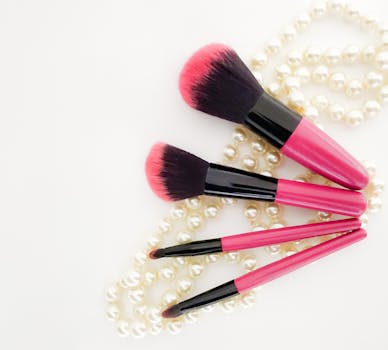
The beauty industry is ever-evolving, with numerous iconic brands capturing the hearts of consumers worldwide. One such powerhouse is the Estee Lauder Companies. If you’re curious about what companies Estee Lauder owns, you’ll discover a diverse brand portfolio that has firmly positioned itself as a leader in this vibrant market.
What Companies Does Estee Lauder Own?
Estee Lauder Companies have expanded far beyond their roots, strategically acquiring and nurturing multiple top-tier brands. This diversification not only enhances their product offerings but also strengthens their position across different segments of the beauty industry.
High-End Skincare Brands
Estee Lauder houses some of the world’s most acclaimed skincare brands. Clinique is known for its dermatologist-developed products that cater to a variety of skin concerns. Similarly, La Mer is celebrated for its luxurious formulas, attracting a high-end clientele seeking premium skincare solutions.
Cosmetic Giants
The company is renowned for its cosmetic brands, such as MAC Cosmetics, famous for its vibrant makeup collections and support for self-expression through beauty. Bobbi Brown, another gem, emphasizes natural beauty and versatile makeup products that complement every skin tone.
Fragrance and Scent
In the realm of fragrances, Estee Lauder continues to innovate and captivate with brands like Jo Malone London, known for its sophisticated scents and personalized fragrance experiences. Tom Ford Beauty further elevates their fragrance portfolio with bold, opulent creations.
Haircare and Beyond
Beyond skincare and cosmetics, Estee Lauder’s ownership of Aveda showcases their commitment to sustainable and environmentally friendly haircare solutions. They also own the Bumble and Bumble brand, cherished for its tailored haircare products targeting various hair types and styles.
Emerging and Niche Brands
The Estee Lauder Companies are also keen on acquiring promising niche brands. Becca Cosmetics and Too Faced are examples of how Estee Lauder taps into emerging trends, appealing to younger demographics with innovative products and engaging marketing strategies.
Each of these brands contributes uniquely to Estee Lauder’s diverse portfolio, allowing them to cater to various consumer preferences and demographics.
Impact on the Beauty Industry
The strategic acquisitions and well-rounded portfolio significantly impact the beauty industry’s landscape. Estee Lauder continues to blend tradition with innovation, remaining adaptable to evolving consumer demands and industry trends. The company’s initiatives in sustainability and technological advancements further solidify its leadership position.
The success of Estee Lauder Companies extends beyond product offerings. By fostering inclusive beauty standards and expanding global reach, the company plays a pivotal role in defining modern beauty trends. Their influence encourages a more diverse, vibrant, and innovative industry.
For those interested in career development within the beauty industry, Estee Lauder represents a potential wealth of opportunities. Insights into such dynamic companies can be a valuable asset for starting fresh in a new career path.
Additionally, Estee Lauder’s commitment to corporate responsibility, including efforts towards more sustainable operations and community engagement, highlights the significance of values-driven business practices in shaping the future of the industry.
If you’ve ever wondered about how a company like Estee Lauder manages to maintain its prominence, examining educational resources on business management and industry strategies can offer deeper insights.
Exploring what companies Estee Lauder owns reveals a comprehensive vision for the beauty industry, where innovation, sustainability, and inclusivity take center stage.
- Estee Lauder owns a diverse range of skincare, makeup, fragrance, and haircare brands.
- Key brands include Clinique, MAC Cosmetics, Bobbi Brown, and Jo Malone London.
- The company’s strategic acquisitions enhance their market presence and influence.
- Estee Lauder plays a critical role in advancing sustainable and inclusive beauty practices.
- Career opportunities are expansive in such a dynamic and innovative company.
What does Estee Lauder focus on in emerging markets?
Estee Lauder focuses on expanding brand recognition, understanding local beauty preferences, and leveraging digital marketing to reach broader audiences in emerging markets.
How has Estee Lauder adapted to sustainability trends?
Estee Lauder invests in sustainable packaging, environmentally conscious product formulations, and socially responsible business practices to align with global sustainability trends.
What role does technology play in Estee Lauder’s strategies?
Technology enables Estee Lauder to innovate product offerings, enhance customer experiences through virtual try-ons, and optimize operations for efficiency and sustainability.
Who are Estee Lauder’s main competitors?
Main competitors include L’Oréal, Procter & Gamble, and Unilever, each with strong brands and significant market share in the beauty industry.
What opportunities exist for employment at Estee Lauder?
Employment opportunities span various fields, including product development, marketing, digital innovation, and sustainability, making Estee Lauder attractive for diverse career paths.