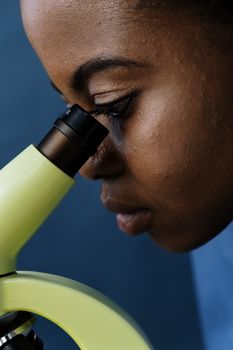
Entering the field of biologist jobs can open up a world of exciting career prospects and opportunities for those passionate about understanding the living world. Whether you are interested in uncovering the secrets of human genetics, preserving wildlife, or advancing the medical field through research, biologist jobs offer diverse paths to pursue. This comprehensive guide will delve into various career options, necessary qualifications, and industry insights, providing a roadmap for aspiring biologists looking to make their mark.
Understanding Biologist Jobs: Exploring Diverse Paths
Biologist jobs are not confined to a single role or environment. From academic research to fieldwork, the occupations within biology are as varied as biology itself. As a biologist, you might find yourself working in laboratories, conservation areas, hospitals, or educational institutions.
Popular Career Paths in Biology
- Ecologist: Focuses on the interaction between organisms and their environment, often working in conservation or environmental management roles.
- Geneticist: Specializes in the study of genes and heredity. Geneticists often work in medical or agricultural research.
- Marine Biologist: Studies ocean life and ecosystems, addressing environmental issues affecting marine habitats.
- Botanist: Concentrates on plant biology and ecology, contributing to agriculture, conservation, and pharmaceutical fields.
- Microbiologist: Involves studying microorganisms and their interactions with other living organisms, beneficial in health and environmental sciences.
Education and Qualifications
To pursue a career in biologist jobs, you generally need a solid foundation in biological sciences. Most roles require at least a bachelor’s degree in biology or a related field. Specialized positions may demand further education:
- Bachelor’s Degree: An entry requirement for many laboratory and field positions.
- Master’s Degree: Beneficial for advanced research roles and higher responsibility positions in ecology and marine biology.
- Doctorate (Ph.D.): Essential for academic research roles, higher education teaching, and leadership in scientific inquiries.
Many universities offer online courses and degrees, enabling students to gain tailored experience. For more on accredited programs, check out our detailed guide on biology classes.
Skills and Competencies
Success in biologist jobs requires a combination of academic knowledge and practical skills. Essential competencies include:
- Analytical Thinking: Ability to interpret data effectively and draw conclusions from research findings.
- Attention to Detail: Precision is crucial in biological research to ensure accurate results.
- Communication Skills: Necessary for presenting findings and collaborating with peers.
- Technical Skills: Familiarity with lab equipment and software used in data analysis.
The Impact of Biologists on Society
Biologist jobs greatly influence health, technology, and environmental policy. Researchers contribute to advancements in medicine, such as developing treatments based on understanding genetic disorders. In technology, biologists are at the forefront of bioengineering and biotechnology, creating new solutions to global challenges.
Ecologists and marine biologists play a crucial role in developing strategies for biodiversity conservation, climate change mitigation, and sustainable resource management. Their work ensures the maintenance of balanced ecosystems, which is vital for human health and survival.
Emerging Trends and Future Outlook
The demand for biologist jobs is expected to grow as environmental concerns and technological advancements necessitate more specialized knowledge. New branches like computational biology, which combines biology with data analysis, are emerging, offering new avenues for professional growth.
According to statistics from the U.S. Bureau of Labor Statistics, the employment of biological scientists is projected to continue on an upward trend. Fields like bioinformatics and biotechnology, in particular, are expected to see increased job opportunities.
For more detailed career information, the Bureau of Labor Statistics’ page on biological scientists provides comprehensive insights into job outlook and growth statistics.
Conclusion
Embarking on a career in biologist jobs can be both rewarding and impactful. It offers a chance to contribute to scientific understanding and address some of the world’s most pressing issues. Whether your interest lies in genetics, marine biology, or environmental science, there are numerous paths available for exploration and specialization. Stay informed, continue learning, and embrace the opportunities this dynamic field presents.
In the ever-evolving landscape of biological sciences, biologist jobs will continue to play a pivotal role in shaping our understanding of life’s complexities and fostering innovations for a sustainable future.
- Biologist jobs offer diverse opportunities across research, conservation, and clinical fields.
- A strong educational foundation and specialized skills are essential for career advancement.
- Contributions to society include advancements in health, technology, and environmental preservation.
- Future job growth is promising, with new fields like bioinformatics leading the way.
- Stay informed with credible sources like the Wikipedia page on education for continued learning.
FAQ
What qualifications do I need to become a biologist?
Typically, a bachelor’s degree in biology or a related field is required, with advanced roles often necessitating a master’s or doctorate.
What are some specializations within biology?
Specializations include genetics, ecology, botany, marine biology, and microbiology, among others.
How do biologists impact society?
Biologists contribute to health improvements, technological advances, and environmental preservation efforts.
What skills are important for biologists?
Key skills include analytical thinking, attention to detail, effective communication, and technical proficiency.
Where can I find reliable information on biologist careers?
For reliable career information, consult educational resources and official statistics, such as the U.S. Bureau of Labor Statistics.