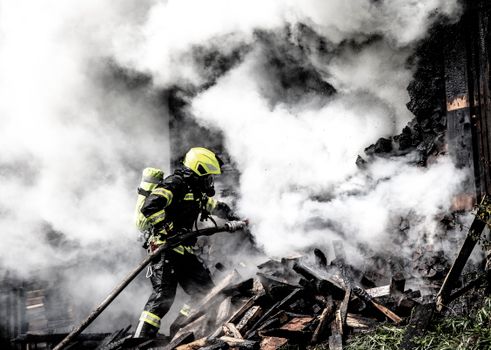
Fire has captivated human imagination for centuries, with its ability to both create and destroy. For those intrigued by this natural element, various career opportunities exist that allow individuals to work closely with fire in innovative and exciting ways. Jobs involving fire are not just about firefighting; they span across diverse industries, each requiring unique skills and offering varied challenges.
Exploring Jobs Involving Fire
The realm of jobs involving fire extends beyond the traditional firefighter role. These careers can range from fire safety engineers to those in creative fields like metalworking or special effects. Each job presents distinctive opportunities for using fire in productive and regulated environments. Here, we explore some of these fascinating professions.
Firefighting Professionals
Firefighters are the most recognized professionals in this field. They play a critical role in public safety by responding to emergencies, extinguishing fires, and saving lives. This role demands physical endurance, quick decision-making, and a diligent understanding of fire behavior. Continuous training is crucial, as firefighting techniques and equipment are always evolving.
Fire Safety Engineers
Fire safety engineers focus on preventing fires and minimizing the damage they cause. They work in designing safe buildings, systems, and processes, ensuring compliance with safety standards and regulations. This career requires a strong foundation in engineering principles and a keen understanding of materials and structural integrity.
Wildland Firefighters
Wildland firefighters specialize in controlling and preventing forest fires. These professionals face unique challenges, working in rough terrains and often in extreme weather conditions. Wildland firefighting demands specialized training in firefighting techniques specific to forests and wooded areas, along with skills in operating heavy machinery.
Fire Investigators
When fires occur, understanding their cause is paramount. Fire investigators comb through the aftermath to determine how fires started, working closely with law enforcement. These experts must have analytical skills and a thorough knowledge of fire science to reconstruct events and identify potential arson.
Pyrotechnicians
Pyrotechnicians work in the entertainment industry, bringing spectacular fireworks and theatrical explosions to life. They must handle various chemicals and explosives safely and creatively. This field requires a comprehensive understanding of chemistry, physics, and artistic flair to ensure both safety and visual impact.
Metal Casters and Welders
Both metal casters and welders work with intense heat and require expertise in handling metals in their molten state. Metal casting involves designing and shaping metal objects, often for industrial manufacturing. Welding, on the other hand, is crucial in construction and manufacturing, requiring precision and technique to join metal pieces.
Chimney Sweeps
An often-overlooked profession, chimney sweeps ensure the safety and efficiency of fireplaces and chimneys. They play a vital role in preventing chimney fires by cleaning combustible deposits and inspecting for structural integrity. Knowledge of heating systems and fire dynamics is essential for this role.
Education and Training for Fire-Related Careers
Pursuing a career in a fire-related field often requires specialized education and training. For example, aspiring firefighters may need to attend an academy that provides hands-on training and coursework in fire science. Advanced careers like fire safety engineering typically require a degree in engineering or a related field.
Vocational programs or apprenticeships offer pathways into welding and metal casting, while pyrotechnicians might complete certification programs focusing on the safe handling of explosive materials. Overall, all these careers require a commitment to ongoing learning due to ever-evolving technologies and safety standards.
For those interested in high-earning potential without a traditional four-year degree, some fire-related professions might be a good fit. Discover other careers that offer significant rewards for your dedication and skills.
Conclusion: The Excitement of Jobs Involving Fire
Jobs involving fire offer a wide range of opportunities for individuals passionate about this dynamic element. Whether it’s saving lives, creating art, or exploring scientific principles, these careers provide unique challenges and rewards. While the thrill of working with fire is a common thread, the disciplines themselves are incredibly diverse, making it essential for aspirants to choose paths that align with their interests and strengths.
- Jobs involving fire span more than just firefighting.
- Fire safety engineering requires a strong foundational understanding of structures.
- Wildland firefighters and pyrotechnicians face unique challenges in their fields.
- Specialized training is crucial across all fire-related careers.
- Opportunities exist for high earning without a traditional degree.
Are there entry-level jobs related to fire safety?
Yes, many fire-related careers offer entry-level positions, often through apprenticeships or vocational training programs. These roles provide hands-on experience and foundational skills.
What qualifications do I need to become a firefighter?
Firefighters generally need to complete a fire academy program, which includes both classroom instruction and physical training. Having EMT certification is also beneficial.
How do I become a pyrotechnician?
Becoming a pyrotechnician typically requires certification in explosive handling and safety, as well as experience in the field, which can be gained through apprenticeships or working with experienced professionals.
What skills are needed for fire investigation?
Fire investigators need strong analytical skills, knowledge of fire science, and experience in law enforcement or firefighting to effectively determine fire origins and causes.
Where can I learn more about education and careers?
For more information about educational pathways and career opportunities, visit the Wikipedia article on education.