Biology is a captivating field that offers deep insights into the very fabric of life. When exploring interesting biology topics, we encounter concepts that not only pique our curiosity but also have profound effects on how we understand life processes. This article will delve into some of the most fascinating aspects of biology, exploring themes that shape our everyday experiences and our future.
Exploring Interesting Biology Topics
Biology is much more than just a subject; it’s a doorway into understanding the complexities of life and evolution. One of the key areas of interest includes the study of genetics and how traits are passed down through generations. The role of DNA in heredity and the advancements in genetic engineering present exciting insights into potential applications in medicine and agriculture.
Further, the concept of ecosystems and biodiversity forms a significant pillar in biology. The interconnectedness of living organisms and their environments highlights the delicate balance necessary for sustaining life on Earth. Issues such as habitat destruction and climate change underscore the importance of studying these relationships to find sustainable solutions.
Explore accredited online biology classes to deepen your understanding of these critical topics.
The Human Body: A Biological Marvel
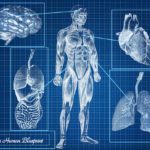
The human body is a remarkable system studied extensively within biology. From the intricacies of the immune system that protects us from pathogens to the nervous system that controls our actions through a network of neurons, there is always something more to learn. Understanding how these systems work in unison can enhance our approaches to health and disease prevention.
Moreover, the study of anatomy and physiology gives us crucial insights into how we function. By learning about muscles, bones, and organs, we gain a healthier appreciation for our physical capabilities and limitations. Our evolving knowledge in this area continually shapes medical practices and therapeutic interventions.
The Microbial World: Tiny Yet Mighty
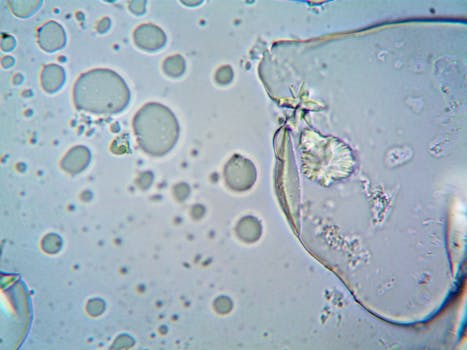
Microbiology introduces us to the world of microorganisms, including bacteria, viruses, fungi, and protozoa. While some of these microbes are pathogenic, others are essential for processes like digestion and decomposition. The study of microbes also plays a critical role in biotechnology, aiding in the development of antibiotics, vaccines, and biofuels.
The rise of antibiotic-resistant bacteria presents both a challenge and an interesting area of study. Understanding the mechanisms behind this resistance helps in developing new treatments and preventive strategies.
Ecology and Environmental Biology
Our ecosystems are diverse communities comprising numerous species that interact with each other and their environments. Studying ecology allows us to understand these intricate networks and the impacts of human activity. Conservation biology, a branch of ecology, emphasizes the protection and management of biodiversity, which is vital for ecological stability.
Climate change presents a pressing topic within environmental biology. Researchers are continuously exploring how global warming and pollution affect natural habitats and species survival. Such studies are instrumental in guiding both policy and personal actions towards environmental stewardship.
Biotechnology: The Future of Biological Innovation
Biotechnology represents one of the most promising and dynamic fields in biology. This technology uses biological systems and organisms to develop products that improve our lives. From genetically modified crops that enhance food security to CRISPR technology revolutionizing genetic editing, biotechnology holds immense potential for future advancements.
The ethical implications of biotechnology, particularly concerning genetic modifications, remain a topic of considerable debate. Balanced approaches are necessary to harness the benefits while addressing potential risks.
For more on biotechnology and its societal impacts, visit this comprehensive resource on Wikipedia.
Understanding and exploring these interesting biology topics not only satisfies our curiosity but also equips us with knowledge to address complex challenges. As we continue to unravel the mysteries of life, the insights gained will undoubtedly influence science, health, and policy-making.
- Biology provides insights into the complexities of life and evolution.
- The human body is a complex system that requires continual study and understanding.
- Microbiology reveals the roles of essential and pathogenic microorganisms.
- Understanding ecology is crucial for environmental conservation.
- Biotechnology offers both opportunities and ethical challenges.
What are some key areas in biology?
Key areas in biology include genetics, ecology, microbiology, anatomy, and biotechnology.
Why study genetics?
Studying genetics helps us understand heredity and can lead to advancements in medical and agricultural fields.
How does microbiology impact health?
Microbiology helps us understand pathogens and develop treatments to fight infections and improve public health.
What is the importance of ecology?
Ecology studies the relationships between organisms and their environments, which is crucial for biodiversity conservation.
What are the ethical considerations in biotechnology?
Ethical considerations in biotechnology include the implications of genetic modifications and the long-term impacts on society and the environment.