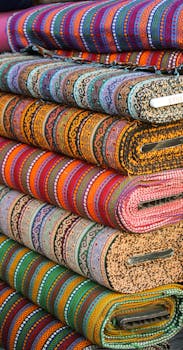
In today’s fast-paced world, the fields of design and textile are evolving rapidly, blending creativity with technology to meet new challenges and opportunities. As career options expand, understanding these innovative techniques becomes crucial for aspiring professionals. This article explores key trends and emerging practices in design and textile, offering insight into career growth potential.
Innovative Techniques in Design and Textile
The intersection of creativity and technology is reshaping design and textile industries. Advanced methods such as digital printing, sustainable textile production, and smart fabrics are not just buzzwords but are actualizing a transformative shift. These innovations are driving efficiency, reducing environmental impact, and opening new creative possibilities.
Digital printing technology, for instance, allows designers to create intricate patterns and color combinations with remarkable precision. This method reduces waste and offers customization opportunities, setting a new standard in the industry. Similarly, sustainable textile practices focus on reducing environmental footprint by utilizing organic materials and recycling processes.
Digitization and Its Impact on Design
The rise of digitization has revolutionized how design is conceptualized and executed. Computer-aided design (CAD) software enables designers to draft complex models with enhanced versatility. This software facilitates experimentation with various textures and forms, enabling designers to push creative boundaries effortlessly.
Moreover, virtual reality (VR) and augmented reality (AR) are gaining traction, offering immersive experiences for both designers and consumers. These technologies provide a virtual trial room where end-users can view and interact with design elements before making a purchase decision.
Sustainable Practices in Textile Production
As sustainability becomes a focal concern, textile professionals are striving to integrate eco-friendly practices. The use of organic fibers and dyes minimizes environmental damage, while recycling initiatives aim to curb textile waste. Innovations, like fabric made from recycled plastic, exemplify how the industry is rethinking raw material sources.
These sustainable approaches not only align with environmental goals but also enhance brand reputation and consumer trust. Adopting green practices is becoming increasingly crucial as environmentally conscious consumers demand transparency and accountability.
Smart Textiles: The Future of Fabric
Smart textiles represent a revolutionary advancement in the textile sector. These fabrics are engineered to interact with their environment and respond to stimuli such as temperature and movement. Wearable technology is a prominent application, integrating health-monitoring sensors into fabrics, thereby enhancing functionality.
Smart textiles hold potential across various applications, from sportswear with moisture management to military gear with adaptive camouflage. The possibilities are endless as researchers continue to push the boundaries of textile capabilities.
For those pursuing a career in this dynamic field, exploring these innovative techniques in design and textile is essential. A strong educational foundation can significantly enhance career prospects in such an evolving industry. To understand the academic pathways that support this field, consider exploring the best graphic design schools rankings for 2025 to find programs that align with your professional goals.
The Global Textile Market Landscape
The global textile market showcases a diverse range of trends influenced by cultural, economic, and technological factors. Growth in textile demand is bolstered by emerging markets and evolving consumer preferences. Understanding these global patterns is vital for professionals aiming to expand their reach and leverage international opportunities.
Staying abreast of market dynamics, including consumer preferences for sustainable and ethical products, can provide a competitive edge. Networking with international peers and engaging in global events are effective strategies to enhance career growth in design and textile.
To gain a comprehensive overview of education requirements and the potential of the design and textile industry, visit this excellent resource on education.
Ultimately, the future of design and textile holds countless opportunities for those prepared to embrace innovation and adapt to changes. Emerging techniques and sustainable practices are paving the way for a new era in textile design, promising enriching career pathways for dedicated professionals.
- Design and textile industries are integrating technology to innovate production and creative processes.
- Digital and sustainable practices are key trends influencing industry standards.
- Smart textiles are an emerging segment, offering functionalities like health monitoring.
- International market awareness is vital for career expansion in these fields.
- Educational resources and programs are essential for professional development.
What are the future prospects for careers in design and textile?
The design and textile industries offer numerous career prospects due to advancements in technology and sustainable practices. As trends evolve, sectors like digital printing, smart textiles, and sustainable production gain prominence, presenting opportunities for innovation and growth.
How do smart textiles differ from traditional fabrics?
Smart textiles are engineered to offer additional functionalities beyond traditional fabrics. They often include embedded technology like sensors and can respond to environmental stimuli such as heat or movement, providing enhanced utility in various fields, including healthcare and sports.
What role does sustainability play in textile production?
Sustainability in textile production focuses on minimizing environmental impact through the use of organic materials, reducing waste, and recycling. These practices are increasingly important as consumers demand ethically-produced goods and the industry seeks to reduce its carbon footprint.
What technologies are shaping the future of design and textile?
Technologies such as digital printing, CAD software, VR, and AR are transforming design processes. Additionally, smart textiles are at the forefront of innovation, offering advanced features that cater to health and lifestyle demands.
How can one pursue a career in design and textile?
Pursuing a career in design and textile involves specialized education and training in relevant techniques. Exploring top programs and staying updated on industry trends are crucial steps. To learn more, consider exploring academic resources like the best graphic design schools rankings for insider insights.