
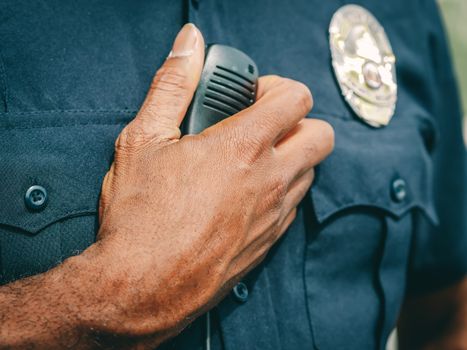
When considering careers in law enforcement, many people wonder about the difference between sheriff and police. Although both play pivotal roles in public safety and law enforcement, they have distinct responsibilities and jurisdictions which are essential to understand.
Understanding the Difference Between Sheriff and Police
Sheriffs and police officers are both tasked with maintaining law and order, yet they serve in different capacities within the law enforcement hierarchy. The primary difference between sheriff and police lies in their scope of jurisdiction and the level of government they operate under.
Jurisdiction and Responsibilities
- Sheriffs: Sheriffs typically have jurisdiction over county-level areas and are responsible for law enforcement in rural or unincorporated parts of the county. They are elected officials, meaning they are accountable to the voters for their policies and actions. Sheriff’s departments often manage the county jails and provide courtroom security.
- Police Officers: Police departments operate within city or municipal boundaries and are responsible for maintaining law and order in urban and suburban settings. Police chiefs are usually appointed by city officials or a city council, which provides oversight.
While sheriffs oversee county-wide law enforcement activities, police officers focus on enforcing laws within city limits. They both cooperate frequently to ensure public safety across overlapping jurisdictions.
Election vs. Appointment
One notable difference between a police and a sheriff is how they come into their positions. Sheriffs are elected by the public, which can directly affect their operational priorities and how they are perceived by the community. In contrast, police chiefs are appointed by the city government, which often focuses more on administrative and political considerations when making appointments.
Operational Scope
The operational focus of each role further highlights the difference between sheriff and police. Sheriffs often have roles that extend beyond typical policing duties, like overseeing court security and managing the legal process at a county level. These responsibilities require them to work closely with other segments of the criminal justice system. Police officers, however, concentrate on crime prevention, investigation, and community policing within their designated city areas.
Community Involvement
Both sheriffs and police departments emphasize community involvement and crime prevention, but their approaches may differ due to the size and needs of their jurisdictions. While police may have extensive community outreach programs, sheriffs often engage with the public during election cycles, emphasizing their accountability to the public.
For more insights on legal careers and affordable educational paths in law-related fields, explore our guide to affordable paralegal certificate options.
Collaboration and Cooperation
The dynamics of cooperation between sheriffs and police departments are central to modern law enforcement. Despite their distinct roles, both entities frequently collaborate, especially in large operations or emergency situations, where resources and jurisdictional boundaries may overlap. This partnership is vital in ensuring comprehensive coverage of public safety needs across regions.
Legal Authority and Enforcement Powers
Both sheriffs and police officers have the authority to enforce the law, investigate crimes, and make arrests. However, because sheriffs can cover more extensive areas—often including rural zones—they must coordinate with various law enforcement agencies more frequently than city police departments, especially for issues spanning multiple jurisdictions.
Education and Career Pathways
Interested in pursuing a career in law enforcement? Understanding these roles can aid in determining which path aligns with your career goals. If you’re considering this path, exploring educational resources can be highly beneficial. For more guidance, consider visiting Education resources on Wikipedia to explore foundational educational paths and prerequisites for law enforcement careers.
The Contribution of Sheriffs and Police to Public Safety
The difference between sheriff and police underscores the importance of multi-layered law enforcement systems that work cooperatively to maintain peace and safety in our communities. These roles, though distinct, are both vital in upholding justice and protecting citizens from urban areas to rural counties.
- Sheriffs are elected and serve at the county level.
- Police officers are appointed and operate within city boundaries.
- Both sheriffs and police enforce laws but may have differing responsibilities.
- Collaboration between these entities ensures comprehensive community safety.
- Explore educational paths for a career in law enforcement.
What is the role of a sheriff?
A sheriff is a county-level law enforcement officer responsible for maintaining peace within their jurisdiction. They may oversee local jails, provide courtroom security, and serve legal documents.
How is a police chief different from a sheriff?
A police chief is the head of a police department within a city and is typically appointed by local government officials, whereas a sheriff is elected by county residents and has broader jurisdictional authority.
Do sheriffs carry out similar functions as police officers?
Yes, both sheriffs and police officers enforce laws, investigate crimes, and ensure public safety, though their operational scope and responsibilities may differ based on jurisdiction size and community needs.
Why are sheriffs elected?
Sheriffs are elected to promote accountability and transparency. Being directly elected by county residents means they must address the specific concerns and needs of the local community.
Can police operate outside city boundaries?
While police typically operate within city limits, they can work outside these boundaries if required, especially when cooperating with sheriffs or other law enforcement agencies on broader issues.

