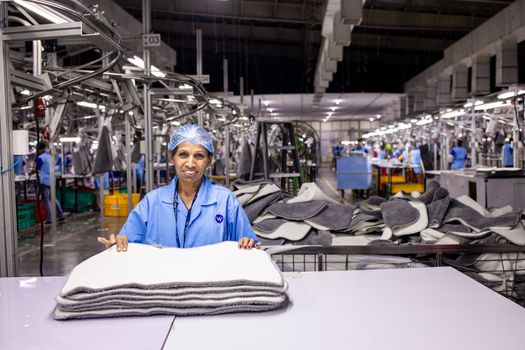
As the global demand for manufactured goods continues to grow, factory jobs present numerous opportunities for career growth and personal development. These roles are not only foundational to economic stability but also innovative and varied, providing a range of options for those interested in pursuing a career in manufacturing.
Why Consider Factory Jobs?
Factory jobs offer a unique blend of stability and advancement possibilities. With the rise of automation and smart factories, the industry is evolving, requiring a new set of skills and offering exciting roles beyond traditional manufacturing tasks. This evolution creates pathways for individuals who are willing to learn and adapt to emerging technologies.
Types of Factory Jobs and Roles
The spectrum of factory jobs is vast, encompassing various roles from assembly line workers to plant managers. Here are some key positions within the industry:
- Production Workers: These roles involve operating machinery and assembling products. They are crucial to the manufacturing process.
- Quality Control Inspectors: Tasked with ensuring products meet the required quality standards, these roles are essential for maintaining brand reputation.
- Maintenance Technicians: Responsible for the upkeep of machinery and equipment, ensuring smooth production processes.
- Warehouse Operators: These professionals manage inventory and coordinate the storage and distribution of goods.
- Supervisory Roles: These entail overseeing manufacturing processes and teams, ensuring efficiency and safety standards are met.
The Emerging Role of Technology in Factory Jobs
Technology is reshaping the manufacturing landscape with advancements like automation and artificial intelligence. These innovations are creating new job roles and enhancing existing ones. For example, technicians are increasingly required to have skills in robotics and data analysis.
To stay competitive, many factories are adopting Industry 4.0 practices, which integrate the Internet of Things (IoT) into manufacturing. This modernization opens opportunities for those with technical expertise and a willingness to continuously learn.
Skills Required for Success in Factory Jobs
While technical skills are paramount, soft skills such as problem-solving, teamwork, and communication are equally important. The ability to adapt to changes and learn new technologies is also critical.
For those interested in building a career in manufacturing, consider pathways that allow you to earn while you learn as it offers a way to gain valuable experience while advancing your education and skills.
Education and Training Opportunities
Various educational paths cater to those pursuing factory jobs. Apprenticeships and vocational training programs provide hands-on experience and are an excellent way to enter the industry. Higher education options, such as degrees in industrial engineering or mechatronics, can pave the way to advanced roles.
Continuing education is encouraged, as staying current with technological advancements is crucial. Some factories provide in-house training or partner with local educational institutions for employee skill enhancement.
Economic Impact and Job Stability
Factory jobs are integral to economic stability, offering consistent employment opportunities. According to data from the Bureau of Labor Statistics, manufacturing employs millions of people across various roles in the United States alone.
These jobs contribute significantly to both local and national economies, supporting the development of infrastructure and innovations within the industry.
Challenges and Considerations
While factory jobs have many benefits, they also present challenges. The physical demands and repetitive nature of some tasks can be taxing. Additionally, the industry is competitive, and staying current with technological advancements is necessary for career advancement.
Despite these challenges, the opportunities for growth and skill development make factory jobs a compelling option for many individuals seeking stable and rewarding careers.
In conclusion, factory jobs are a cornerstone of the global economy, offering diverse career paths and opportunities for personal and professional growth. As the industry evolves with technological advancements, these roles will continue to transform, presenting exciting opportunities for those prepared to adapt and innovate.
- Factory jobs offer a range of roles beyond traditional manufacturing tasks.
- Technological advancements are reshaping the industry and job requirements.
- A blend of technical and soft skills is essential for success.
- Continuing education and vocational training are key to career advancement.
- Factory jobs significantly impact economic stability and offer job security.
What types of jobs are available in factories?
Factory jobs range from production and assembly roles to quality control, maintenance, and supervisory positions. Each offers unique responsibilities required for the smooth operation of manufacturing processes.
How is technology impacting factory jobs?
Technology, such as automation and AI, is creating new roles and changing the requirements for existing positions. The integration of IoT and Industry 4.0 practices enhances efficiency and productivity in factories.
What skills are essential for factory workers?
Key skills include technical abilities, problem-solving, communication, and teamwork. An ability to adapt and continuous learning are vital due to evolving technological demands.
Are factory jobs stable?
Yes, factory jobs offer stability and play a critical role in economic development. They provide consistent employment opportunities across various sectors of the manufacturing industry.
What education is needed for a career in factory jobs?
The educational requirements vary. Apprenticeships and vocational training provide hands-on experience, while higher education in fields like engineering can lead to advanced roles. Continued education is beneficial for staying current with technological changes.