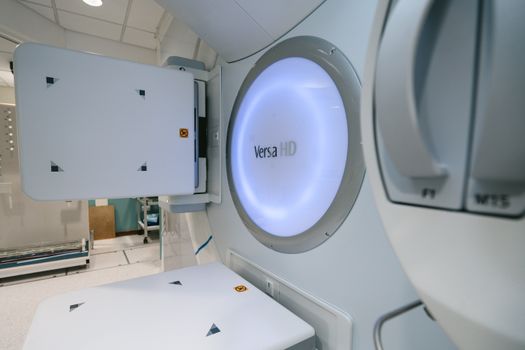
Radiation therapy programs provide an intriguing pathway for those interested in a rewarding career within the healthcare sector. These programs equip students with the necessary skills and knowledge to operate sophisticated machinery that delivers targeted radiation treatment to cancer patients. Understanding the core components and benefits of radiation therapy programs is crucial for those considering this healthcare career.
Understanding Radiation Therapy Programs
Radiation therapy programs are designed to prepare students for careers as radiation therapists, professionals who play a pivotal role in the oncology team. A typical program combines theoretical knowledge with practical experience, enabling students to learn about the biological effects of radiation, patient care, and the safe operation of radiation equipment.
Components of Radiation Therapy Programs
The curriculum in radiation therapy programs usually includes subjects such as radiation physics, radiation protection, anatomy, and oncology. Students also learn about treatment planning, which involves calculating proper radiation doses based on individual patient needs. A significant portion of training occurs in clinical settings, allowing students to gain hands-on experience under the supervision of experienced therapists.
Accreditation and Certification
Before enrolling in any radiation therapy program, it is essential to ensure that the program is accredited. Accreditation ensures that the program meets high educational standards and prepares students adequately for their certification exams. In the United States, most programs are accredited by the Joint Review Committee on Education in Radiologic Technology (JRCERT).
Upon completing an accredited program, graduates are eligible to take a certification exam, such as the American Registry of Radiologic Technologists (ARRT) exam. Certification is crucial as it demonstrates a therapist’s competency and adherence to professional standards.
Program Prerequisites
Radiation therapy programs typically require applicants to have a high school diploma or GED. Some programs may also require prerequisites such as biology, chemistry, or physics. It’s beneficial to have a background in science, as it can make the transition into the program smoother.
Online vs. Traditional Programs
Prospective students can choose between online and traditional on-campus radiation therapy programs. Online programs offer flexibility, allowing students to study at their own pace, which is ideal for those balancing other commitments. However, because of the nature of the training, in-person clinical experiences are required to ensure competency in practical skills. For those interested in complementary science courses, consider exploring accredited biology classes online for a broader foundation.
Career Opportunities and Benefits
A career in radiation therapy is not only rewarding but also offers job stability. According to the U.S. Bureau of Labor Statistics, the demand for radiation therapists is expected to grow, driven by advances in cancer treatment and an aging population. Besides job security, radiation therapists enjoy competitive salaries and the satisfaction of making a critical difference in patients’ lives by providing essential care.
Challenges in Radiation Therapy
While a career in radiation therapy is fulfilling, practitioners must be prepared for emotional and physical challenges. Radiation therapists work closely with patients who are undergoing intensive treatment, which requires compassion and resilience. Additionally, they need to maintain a high level of precision and adhere to safety standards to protect themselves and their patients from unnecessary radiation exposure.
Continuing Education
Radiation therapists are encouraged, and often required, to engage in continuing education. This ongoing learning process allows them to stay updated on new technologies, treatment methods, and safety protocols. It also offers opportunities for specialization, which can lead to career advancement.
Global Perspective
The field of radiation therapy is evolving worldwide, with new technologies and methodologies being continuously developed. For individuals interested in working internationally, having a strong foundation and understanding of global healthcare systems can be beneficial. To learn more about international education standards, visit the Education Wikipedia page.
Radiation therapy programs offer a specialized and impactful career path in healthcare. By equipping students with the necessary skills and hands-on experience, these programs prepare graduates to meet the challenges and rewards of this critical medical role. Pursuing a career in radiation therapy allows individuals to be on the forefront of cancer treatment while making a meaningful impact on patients’ lives.
- Radiation therapy programs prepare students for a vital role in patient care.
- Accreditation is crucial for ensuring high educational standards.
- Clinical experience is a key component of these programs.
- Career prospects are strong, with opportunities for advancement.
- Continuing education is important for career development.
What qualifications do I need to enroll in a radiation therapy program?
Typically, a high school diploma or GED is required, with some additional prerequisites like biology or physics for certain programs.
How long does it take to complete a radiation therapy program?
Most radiation therapy programs take about two years to complete if pursued full-time, including clinical training.
Is certification necessary to practice as a radiation therapist?
Yes, certification through bodies like the ARRT is essential to demonstrate professional standards and competencies.
What skills are important for a radiation therapist?
Key skills include attention to detail, technical proficiency with equipment, compassion, and effective communication abilities.
What are some common challenges faced by radiation therapists?
Challenges can include dealing with emotionally demanding situations, maintaining precision with treatment delivery, and adhering strictly to safety protocols.