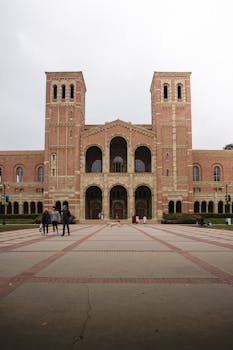
The demographics at UCLA reflect a vibrant and diverse community, shaping the campus experiences for students from myriad backgrounds. Understanding these demographics is crucial for prospective students, helping them gain a comprehensive insight into the social and academic environment they might soon encounter. This article explores UCLA’s distinctive demographic composition, highlighting the cultural richness and inclusivity that define this prestigious university.
An Overview of Demographics at UCLA
UCLA, known for its excellence in higher education, attracts a broad spectrum of students from across the globe. The demographics at UCLA include a mix of ethnicities, international students, and diverse socioeconomic backgrounds, which significantly contribute to the rich cultural fabric of the university life.
Ethnic Diversity
One of the most notable aspects of UCLA’s demographics is its ethnic diversity. According to UCLA’s recent enrollment statistics, you will find a representation of students from various racial and ethnic backgrounds. This inclusive environment fosters multicultural interactions and promotes understanding among students of different heritage.
Students can expect to collaborate with peers from numerous countries, each bringing unique perspectives and experiences. Learn more about UCLA’s commitment to diversity and how it is celebrated on campus through various programs and initiatives.
International Students
International students form a significant component of UCLA’s student body. The university has long been a preferred destination for students from around the globe, eager to pursue world-class education and research opportunities. The presence of international students enriches campus life, offering fresh perspectives and exposure to different cultures and global issues.
Socioeconomic Diversity
UCLA strives to provide educational opportunities for students from diverse socioeconomic backgrounds. Through scholarships, financial aid programs, and support services, the university ensures that financial constraints do not hinder students from achieving their academic goals. For students interested in financial assistance, there are life-changing scholarships available aimed at reducing the financial burden and promoting equal access to education.
Gender Distribution
The gender distribution at UCLA is fairly balanced, reflecting the university’s commitment to gender equality. Initiatives and support systems are in place to ensure that all students have access to the same resources, irrespective of gender. This equitable approach enhances the learning environment and contributes to an inclusive campus culture.
Impact of Diversity on Academic and Social Life
The diverse demographics at UCLA significantly impact both academic and social experiences on campus. Interacting with peers from different walks of life enriches learning, broadens perspectives, and prepares students for global careers. Additionally, UCLA’s inclusive culture promotes active participation in clubs, organizations, and social activities, fostering a sense of community.
Students are often encouraged to participate in intercultural events, discussions, and community service, which hone their interpersonal skills and cultural competence.
Resources and Support for Students
To support its diverse student body, UCLA provides various resources aimed at enhancing student success and well-being. These include mentoring programs, tutoring services, and cultural centers that celebrate different cultural heritages. Such resources ensure that all students, irrespective of their background, are well-equipped to thrive academically and socially.
Furthermore, the university regularly organizes workshops and seminars tailored to address the unique challenges faced by students from underrepresented groups, nurturing an environment where every student feels valued and included.
Looking Forward: Embracing Diversity
UCLA continues to embrace its diverse demographics as a cornerstone of its identity and success. With an ongoing commitment to diversity and inclusion, the university is constantly evolving, ensuring that its policies and practices support a harmonious and enriching experience for all students.
Prospective students considering UCLA can look forward to joining a community that values diverse perspectives and fosters a supportive and inclusive atmosphere. By understanding the demographics at UCLA, future students can make informed decisions about their educational journey.
For more detailed statistics and insights into demographics in higher education, you can visit resources like the U.S. Department of Education’s National Center for Education Statistics, which offers comprehensive data on university enrollments across the country.
- UCLA boasts a highly diverse and inclusive student body.
- Its demographics include a wide range of ethnic, international, and socioeconomic backgrounds.
- The university supports students with extensive resources and financial aid options.
- Diversity enhances both academic and social experiences on campus.
- Future students benefit from a multicultural learning environment.
FAQs
What is the ethnic breakdown of UCLA’s student population?
UCLA’s student population is incredibly diverse, with significant representation from various ethnic groups, including Asian, Hispanic, Black, and Caucasian students. Each group contributes to the vibrant and dynamic campus culture.
How does UCLA support students from low-income backgrounds?
UCLA offers a variety of financial aid options, scholarships, and grants to assist students from low-income backgrounds. The university is committed to ensuring access to quality education for all, regardless of financial status.
Are there resources for international students at UCLA?
Yes, there are numerous resources available for international students at UCLA, including orientation programs, visa assistance, and cultural exchange opportunities designed to help them adjust and thrive in their new environment.
What kind of student organizations exist at UCLA?
UCLA hosts a wide array of student organizations, ranging from cultural clubs, academic societies, recreational groups, and volunteer organizations, allowing students to engage with others who share their interests and backgrounds.
How does diversity impact education at UCLA?
Diversity at UCLA enhances the educational experience by encouraging exposure to varied perspectives and ideas, which prepares students for global career opportunities and fosters inclusive thinking.
By exploring the demographics at UCLA, prospective students can better understand the inclusive and multicultural environment they might soon be a part of, promising a rich and fulfilling educational journey.