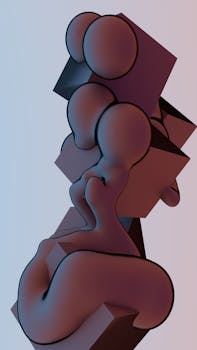
Digital art has witnessed a transformative evolution over the past few decades, significantly impacting creative careers and artistic expression. With the primary keyphrase “types of digital art,” this article aims to explore various digital art forms that have emerged, facilitating diverse opportunities for artists worldwide. From traditional artistic disciplines to cutting-edge innovations, digital art continues to expand its boundaries, offering new ways of creating and experiencing art.
Types of Digital Art
Digital art encompasses a variety of styles and techniques, reflecting the versatile nature of digital technologies. Below are some prominent types of digital art that are shaping the future of creative careers:
1. Digital Painting
Digital painting is a form of art where traditional painting techniques such as watercolor, oils, and impasto are applied using digital tools. Artists utilize software applications like Adobe Photoshop or Corel Painter, which mimic real-life brush strokes and textures. This type of digital art allows for endless experimentation and editing without the constraints of physical materials.
2. 3D Modeling and Sculpting
3D modeling and sculpting are pivotal in fields such as animation, gaming, and industrial design. Artists create three-dimensional objects using software like Blender or ZBrush. This form of digital art enables the creation of highly detailed and complex models that can be animated or used in virtual reality experiences.
3. Motion Graphics
Motion graphics merge graphic design with animation, creating captivating video content. Used in advertising, film, and web design, motion graphics employ software like After Effects to produce dynamic visuals. This art form is integral to enhancing multimedia storytelling.
4. Interactive Art
Interactive art focuses on engaging audiences through dynamic digital environments. This type of digital art often involves the use of sensors and interactive display systems. Artists create installations that respond to viewer inputs, making art an immersive and participatory experience.
5. Photography Art
Digital photography revolutionized the art of capturing images. Artists can now manipulate photographs using editing software like Lightroom and Photoshop, allowing for creative alterations that enhance visual storytelling. Photography art bridges the gap between reality and fantasy, opening new avenues for artistic innovation.
6. Generative Art
Generative art involves algorithms and computer codes to produce visually intriguing patterns and forms. This avant-garde type of digital art is used in creating abstract art and dynamic visuals. Computational design is at the core, giving rise to unique pieces that defy traditional methods.
Impact on Creative Careers
Digital art has transformed the landscape of creative industries, providing new opportunities and challenges for artists. As technology advances, the demand for digital artists continues to grow. Here are some ways digital art impacts creative careers:
Fusion of Art and Technology
Digital art epitomizes the synergy between art and technology. This fusion has resulted in expressive and innovative practices that attract artists seeking to broaden their horizons. As the digital landscape evolves, creative professionals are required to adapt by acquiring technological skills alongside traditional art expertise.
Expanding Job Market
The rise in demand for digital content in advertising, entertainment, and education has expanded job prospects for digital artists. Related fields such as graphic design, multimedia art, and web design provide diverse career opportunities. To learn about some of the top institutions nurturing digital artists, you can explore the best graphic design schools offering specialized programs.
Accessibility and Collaboration
Digital platforms have democratized the creation and distribution of art, offering artists a global audience. Artists can collaborate across borders, sharing ideas and techniques, while online portfolios and social media provide platforms to showcase their work and connect with potential clients or employers.
The Evolving Role of Gallery Spaces
While traditional galleries maintain their significance in the art world, virtual galleries and online exhibitions are gaining popularity. Artists can now participate in digital showcases, reaching broader audiences without geographical limitations.
Education and Skills Development
The digital art field necessitates continuous learning and skills development to stay competitive. Artists often engage in online courses, webinars, and workshops to refine their skills and keep abreast of new tools and techniques. Resources like educational articles provide valuable insights into the learning landscape for digital creatives.
Conclusion
The types of digital art discussed embody the myriad possibilities available to today’s creative professionals. Digital artistry not only enhances individual expression but also connects diverse cultural narratives through shared platforms. As artists continue to experiment and innovate within this expansive field, the definition of art itself is being constantly reimagined.
- Digital art includes a variety of forms like digital painting, 3D modeling, and motion graphics.
- This art form is significant in industries such as gaming, animation, and advertising.
- Artists need to combine traditional skills with technological proficiency.
- Digital art provides new career opportunities and global accessibility.
- Education and continuous learning are crucial in this evolving field.
What are some software tools used for digital painting?
Artists often use software like Adobe Photoshop and Corel Painter for digital painting. These tools mimic traditional painting techniques and allow for creative experimentation.
How does digital art impact traditional art forms?
Digital art complements traditional art by introducing new methods and materials for artists to explore. The fusion of digital and traditional art practices provides artists with a broader palette for expression.
What skills are needed for a career in digital art?
Artists require a combination of artistic skills, such as drawing and design, alongside technical proficiency in software and digital tools. Continuous learning and adaptation to new technologies are essential.
Can digital art be considered fine art?
Yes, digital art is widely recognized as a form of fine art. It encompasses a range of creative expressions, from digital paintings to complex installations, offering innovative artistic value.
How can I start a career in digital art?
Begin by mastering digital art software and building a strong portfolio to showcase your skills. Engaging in online courses, networking with other artists, and staying updated on industry trends will also support your career progression in digital art.