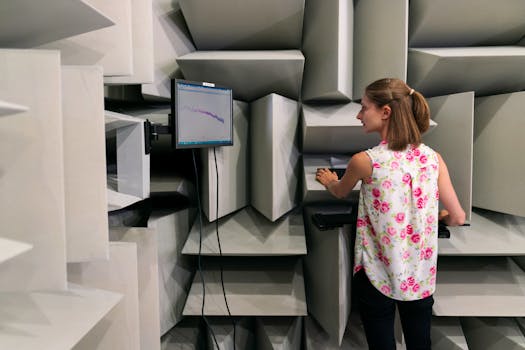
The role of a sound engineer is a crucial and dynamic aspect of the audio industry. Understanding the sound engineer job description can provide valuable insights for anyone interested in pursuing a career in this field. Sound engineers are tasked with capturing, mixing, and producing audio for various media, including music, television, film, and live events. This article delves into the key responsibilities and skills required for a successful career in sound engineering.
Sound Engineer Job Description
A sound engineer’s job is multifaceted and can vary significantly based on the setting. They often work behind the scenes, ensuring that audio is captured, manipulated, and delivered in the highest possible quality. This involves operating complex equipment, collaborating with producers and artists, and solving technical issues that arise during recording or live performances.
Key Responsibilities of a Sound Engineer
A typical sound engineer job description includes setting up and maintaining audio equipment, recording and editing sound, and ensuring that audio is effectively integrated in multimedia forms. Here are some core responsibilities:
- Recording and Mixing: Sound engineers record audio using various microphones and mixing boards. They also edit and mix tracks to achieve the desired sound.
- Sound Design: For film and television, sound engineers design soundscapes that enhance the visual experience. This can include creating or sourcing sound effects.
- Live Sound Management: During live events, sound engineers ensure that the audio levels are balanced and clear. They often manage feedback and other technical challenges in real-time.
- Equipment Maintenance: Regular maintenance of audio equipment is crucial. Sound engineers often perform routine checks and repairs to keep equipment in optimal condition.
- Collaboration with Other Professionals: Communication and teamwork are essential, as sound engineers frequently work with artists, directors, and producers to meet artistic and technical requirements.
Skills and Qualifications
The sound engineer job description not only encompasses technical expertise but also creativity and interpersonal skills. Key skills include:
- Technical Proficiency: Sound engineers must be adept at using audio software and hardware. Familiarity with digital audio workstations (DAWs) like Pro Tools or Logic Pro is often required.
- Attention to Detail: A keen ear for sound detail is necessary to identify and rectify audio imperfections.
- Problem-Solving Skills: The ability to troubleshoot technical issues quickly is critical, especially during live events.
- Creativity: Crafting distinctive soundscapes for different media requires creativity and imagination.
- Interpersonal Communication: Collaborating with clients and colleagues involves clear and effective communication.
Most sound engineers hold an associate or bachelor’s degree in audio engineering or a related field. Some begin their careers through internships or audio production programs that provide hands-on experience and networking opportunities.
The Evolving Landscape of Sound Engineering
The audio industry is constantly evolving with technological advancements. Understanding the current trends and future directions of the industry can help aspiring sound engineers prepare for a successful career. Recent trends include:
- Increase in Podcasting: The popularity of podcasts has led to more opportunities for sound engineers to produce audio content.
- Virtual and Augmented Reality: VR and AR technologies have expanded the scope of audio engineering, requiring immersive sound design skills.
- Remote Collaboration: Cloud-based tools and virtual meeting platforms enable collaboration on audio projects across different locations.
For those considering a career in sound engineering, studying abroad in renowned art schools can enhance learning and exposure. Visit our guide to the best art schools in Europe for more information.
Career Opportunities and Growth
Sound engineers can work in a variety of settings, including recording studios, live concerts, radio, television, and film. As the industry grows, so does the demand for skilled professionals. The Bureau of Labor Statistics reports that employment opportunities for broadcast and sound engineering technicians are expected to grow in the coming years. Specializing in niche areas like game audio or audio post-production can improve job prospects.
Professional development through certifications and continuing education is vital for staying updated with new technologies and practices. Networking within the industry can also lead to new opportunities and collaborations.
Conclusion
Understanding the sound engineer job description is key for those looking to enter or advance in this vibrant industry. With the right skills, education, and passion for sound, individuals can create impactful audio experiences across various media platforms.
- The role of a sound engineer is integral to the audio industry.
- Key responsibilities include recording, mixing, and equipment maintenance.
- Technical skills, creativity, and communication are crucial for success.
- The industry is evolving with trends like podcasting and remote work.
- Continued education and networking can enhance career opportunities.
FAQs
What does a sound engineer do?
A sound engineer manages the technical aspects of recording, mixing, and producing audio in various settings like studios and live events.
What qualifications are needed to become a sound engineer?
Typically, an associate or bachelor’s degree in audio engineering, along with hands-on experience, is needed. Skills in using DAWs and audio equipment are essential.
How is the job market for sound engineers?
The job market is growing, especially with rises in podcasting and virtual reality, creating more opportunities for skilled professionals.
What areas can sound engineers specialize in?
Sound engineers can specialize in areas such as live sound, game audio, studio recording, or audio post-production for film and television.
Where can I learn more about sound engineering?
You can explore reputable educational programs, online courses, and industry conferences for further learning. Visiting universities or art schools abroad can also provide valuable experience.