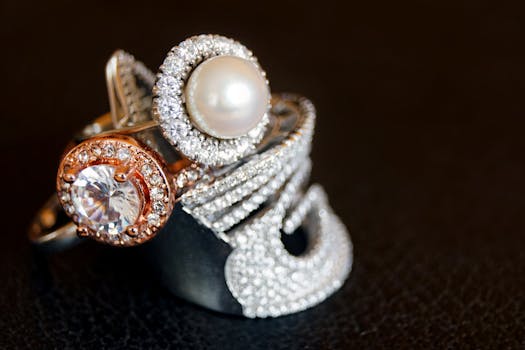
If you’re considering a career as a jewelry designer, understanding the jewelry designer salary can be an essential factor in your decision-making process. Jewelry design is an art that combines creativity with craftsmanship, and depending on various factors, it can offer a wide range of salary prospects. In this article, we will explore what influences a jewelry designer’s earnings and what you can expect as you grow in this glamorous field.
Understanding Jewelry Designer Salary
The salary of a jewelry designer can vary significantly based on factors such as location, experience, and skill level. According to industry experts, entry-level jewelry designers may earn a modest income, but as they gain experience and build a reputation, their earning potential can drastically increase. Additionally, those who work for luxury brands or establish their lines often see higher returns.
Factors Affecting Jewelry Designer Salaries
A jewelry designer’s salary is influenced by several key factors:
- Experience: Entry-level designers typically start with lower wages, but salaries increase with experience. As designers refine their skills and build portfolios, they can command higher fees.
- Employer Type: Working for well-known luxury brands or running their independent businesses can significantly impact earnings. Designers associated with high-end firms or iconic labels often earn above-average salaries.
- Location: Salaries can vary dramatically based on geographical location. Designers in fashion hubs like New York City or Paris may command higher pay due to the demand and cost of living in these areas.
- Specialization: Specializing in certain types of jewelry, such as bridal pieces or bespoke designs, can lead to niche markets where designers may earn higher fees.
Understanding these factors can help aspiring designers plan their career paths accordingly.
How Education and Training Impact Earnings
While some jewelry designers may enter the field with self-taught skills, formal education can provide a substantial boost to one’s career. Completing courses at esteemed institutions or earning a degree in jewelry design can open doors to higher-paid positions.
Furthermore, additional certifications in gemology or metalsmithing can enhance a designer’s expertise, leading to increased salary potential. For more information on how education can influence your income potential, you might want to explore the variety of career paths capable of reaching higher salary levels.
Market Trends Influencing Jewelry Design Careers
The market for jewelry design is ever-evolving, with trends having a notable impact on a designer’s income potential. Emerging interests such as sustainable jewelry, digital design processes, and personalized pieces can offer new opportunities for designers to capitalize on.
Keeping abreast of the latest industry trends can increase a designer’s competitiveness in the market. Engaging with online platforms, attending industry events, and building a strong online presence can also help designers showcase their work and network with potential clients.
Advancing in the Jewelry Design Field
Career advancement in jewelry design is achievable through continuous learning and adaptation. As designers gain access to new tools and technologies, those who can integrate these into their creations may enjoy increased demand for their work.
Moreover, diversification of skills, such as learning digital design software or understanding marketing strategies for e-commerce platforms, can significantly enhance a designer’s profile. Therefore, ongoing professional development is recommended for those seeking to maximize their career potential.
The Future Outlook
The future of the jewelry design industry offers a landscape filled with opportunities and challenges. As customer preferences shift towards personalized and ethically-sourced jewelry, designers who can innovate and adapt will find ample opportunities to thrive.
Additionally, global economic changes can also impact the industry. Designers must remain responsive and flexible to economic shifts to maintain and boost their earning potential.
In conclusion, the jewelry designer salary is influenced by a multitude of factors, including experience, education, location, and industry trends. Aspiring designers can navigate this creative field by understanding these influences and strategically planning their career paths.
Takeaways
- Jewelry designer salaries vary based on experience, location, and specialization.
- Formal education and certifications can enhance earning potential in this field.
- Staying updated with industry trends can offer competitive advantages.
- Diversifying skills in digital design and ecommerce can increase career opportunities.
- Adaptability to market changes is crucial for sustained success in jewelry design.
Frequently Asked Questions
What is the average starting salary for a jewelry designer?
Entry-level jewelry designers can expect to earn an average salary that varies by location and employer, typically ranging from $30,000 to $50,000 annually.
How does location affect a jewelry designer’s income?
Designers working in major fashion cities like New York, Los Angeles, or Paris often have higher salary potential due to the greater demand and cost of living.
Do jewelry designers need formal education?
While not mandatory, formal education or specialized training in jewelry design can significantly improve a designer’s skills and increase job opportunities and potential salary.
What additional skills can benefit a jewelry designer’s career?
Skills in digital design software, marketing, branding, and e-commerce are beneficial in expanding a designer’s reach and enhancing their career potential.
Where can I find more information about career advancement in jewelry design?
For more detailed information on education, training, and career paths in jewelry design, consider visiting resources like BLS.gov or reviewing articles on Wikipedia about education routes in the arts.