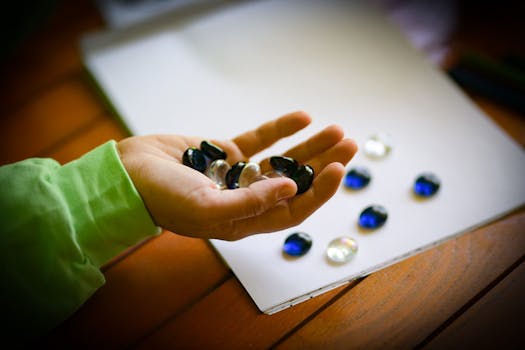
The world of marbles is both fascinating and diverse, attracting collectors, hobbyists, and artisans alike. The different types of marbles provide a rich tapestry of colors, sizes, and histories that delight enthusiasts around the globe. Whether you’re a seasoned collector or just getting started, understanding the varieties available can enhance your appreciation and enjoyment of these captivating objects.
Exploring the Different Types of Marbles
Marbles can be categorized in numerous ways, including the materials they’re made from, the methods used to create them, and their distinctive colors and patterns. Let’s delve into the most popular categories and explore what makes each type unique.
Glass Marbles
Glass marbles are perhaps the most recognized and widely collected. They can be further divided into subtypes based on their manufacturing process and design.
- Machine-Made Marbles: These are the most common type, mass-produced by machines. They are often uniform in shape and vibrant in color.
- Handmade Marbles: Renowned for their artistry, handmade marbles exhibit unique swirls and inclusions. Each piece is a work of art, often commanding higher prices among collectors.
For more in-depth information on glass materials, you may refer to an overview about glass and its uses.
Stone Marbles
Beyond glass, stone marbles offer a natural alternative, using materials like agate, marble, and limestone. These marbles are known for their durability and elegant, earthy hues.
- Agate Marbles: Crafted from banded agate stones, these marbles showcase the natural striations of the stone, making each unique.
- Marble Marbles: Despite the tautological name, these are made from actual marble stone. They are characterized by their classic white appearance with gray veining.
Clay and Ceramic Marbles
Clay marbles are among the oldest types, often handmade from natural clay and fired for hardness. They vary in color from natural earth tones to more vibrant shades when glazes are applied.
- Bennington Marbles: These are often identified by their mottled glaze and are highly sought after for their historical value.
- Chinas: Easily recognizable by their glazed surfaces, with simple to intricate painted designs.
Steel Marbles
Steel marbles, or “steelies,” bring a modern twist to marble playing and collecting. They are robust and typically used in industrial applications or for specific marble games that require added weight and durability.
The Historical and Cultural Significance of Marbles
The history of marbles stretches back thousands of years, with archaeological findings suggesting their use as toys or game pieces in ancient times. Across various cultures, marbles have been a constant source of amusement and artistic expression. Today, they continue to capture the imagination of enthusiasts worldwide.
For women exploring new creative paths or careers related to art, the study of cultural hobbies like marbling creates unique opportunities for business or personal growth. Discover some inspirational stories and strategies here.
Various global cultures have put their spin on marble creation, leading to significant regional variations in design and composition. For example, German “Sulfide Marbles” include small figures encased in glass marbles, showcasing a blend of sculpture and marble art.
How to Start Collecting Marbles
Collecting marbles is more than a hobby; it’s a journey through history and artistry. Beginners can start by visiting local flea markets, antique shops, or online platforms to find a diverse array of styles and materials.
Understanding the provenance and condition of marbles is essential for collecting. Look for signs of wear, chips, or restoration when purchasing marbles.
Tips for Maintaining Your Marble Collection
Once you’ve started a collection, keeping it in pristine condition is crucial. Proper storage, regular cleaning, and careful handling will ensure your marbles remain beautiful and retain their value.
- Store marbles in a cool, dry place, preferably in a display case or an airtight container to avoid dust and dampness.
- Use lukewarm soapy water to gently clean marbles, avoiding ammonia-based cleaners that can damage surfaces.
- Consider digital cataloging for larger collections, which can help track information such as purchase details, origin, and condition.
As you explore the different types of marbles, remember that this hobby offers both a connection to the past and a canvas for future creativity. The stories and artistry embedded in each piece can transform a simple toy into a cherished artifact.
- Marbles come in various materials, including glass, stone, and ceramic.
- The history of marbles offers cultural insights and historical value.
- Maintaining a marble collection requires careful handling and storage.
- Starting a collection can be an educational hobby or potential career path.
- Explore different cultures through their unique marble styles.
What are the most common types of marbles?
The most common types of marbles are glass marbles, including both machine-made and handmade varieties.
Are stone marbles more valuable than glass marbles?
The value depends on rarity, age, and condition rather than simply the material. Some handmade glass marbles can be more valuable than stone marbles.
How can I tell if a marble is handmade?
Handmade marbles often have subtle irregularities, such as variations in size or the presence of pontil marks, which are indicative of their artisan craftsmanship.
Is collecting marbles a suitable hobby for children?
Yes, collecting marbles can be a fun and educational hobby for children, fostering creativity, history learning, and organization skills.
Where can I find authentic antique marbles?
Authentic antique marbles can be found in specialty antique shops, online auction sites, or through professional collectors. Always verify the authenticity from reliable sources or appraisers.