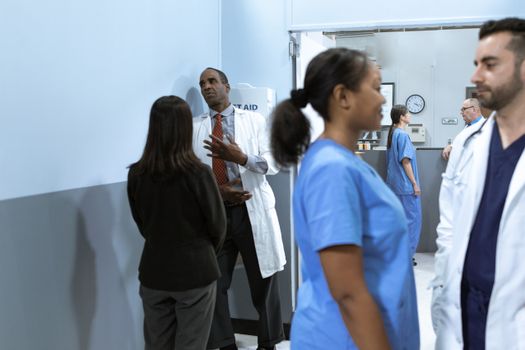
Exploring the job of a neonatal nurse reveals a career that is both challenging and fulfilling. These specialized nurses provide critical care to newborns, particularly those who are premature or have health complications. Their role demands a blend of compassion, precision, and specialized medical knowledge. Let’s delve into what makes this profession essential in the healthcare landscape.
The Job of a Neonatal Nurse
The job of a neonatal nurse is centered around providing utmost care to newborn infants. These healthcare professionals are crucial in ensuring the health and well-being of babies in their first days or weeks of life. Neonatal nurses often work in neonatal intensive care units (NICUs) and are responsible for a range of duties that include monitoring vital signs, administering medications, and comforting both the infant and their families.
Educational Pathways
Embarking on a career as a neonatal nurse typically begins with earning a degree in nursing. Aspiring nurses must first obtain a diploma, an associate degree, or a bachelor’s degree in nursing. Following this, achieving RN status through the NCLEX-RN examination is necessary. For more advanced knowledge and specialization, pursuing a master’s degree might be required. Resources like online nursing prerequisite courses can be helpful for those beginning this journey.
Core Responsibilities and Skills
The core responsibilities in the job of a neonatal nurse include monitoring the delicate health conditions of infants, interpreting diagnostic tests, and administering medications. Nurses must also be adept at using specialized equipment essential for the care of premature infants. In addition to these technical skills, neonatal nurses must demonstrate strong communication skills to interact effectively with parents and family members, providing emotional support and education about their infant’s care and condition.
Day-to-Day Challenges
Working as a neonatal nurse is not without its challenges. The job involves high-stakes situations where the health outcomes of vulnerable newborns depend significantly on the nurse’s expertise and decisions. Nurses must be equipped to handle emotional stress and work long hours in a fast-paced environment. Due to the delicate nature of their patients, they also need to be meticulous and alert to subtle changes in an infant’s condition.
Opportunities for Specialization
Neonatal nurses have the option to specialize further in particular aspects of neonatal care. Subspecialties can include neonatal transport nursing, clinical nurse specialist roles, or becoming a neonatal nurse practitioner (NNP). Each of these paths requires additional certification and experience but offers greater expertise and leadership opportunities in the field. According to the U.S. Bureau of Labor Statistics, specialized skills often equate to higher demand and compensation in the nursing sector. More information about this career can be found on the Bureau of Labor Statistics website.
Impact on Families and Society
The job of neonatal nurses plays a crucial role not only in the lives of the infants they care for but also in supporting families through difficult times. They provide comfort and assurance to parents, educating them on how to care for their delicate newborns. By ensuring that these infants receive the best possible start to life, neonatal nurses contribute positively to society, reducing health disparities and improving long-term health outcomes.
Future Prospects in Neonatal Nursing
The demand for neonatal nurses is expected to grow as advances in medical technology improve the survival rates of premature and ill infants. This expansion offers numerous opportunities for professional growth within the field. Moreover, as the healthcare landscape evolves, neonatal nurses can expect to engage with new technologies and practices, further enhancing their impact on infant care.
The job of a neonatal nurse draws professionals who want to make a significant difference at the very start of a person’s life. Their expertise and care are vital components of neonatal healthcare.
- Neonatal nurses provide essential care to newborns in critical conditions.
- This role requires a balance of specialized medical skills and emotional intelligence.
- Educational pathways include obtaining an RN and possibly further specialization.
- Opportunities in this field are growing due to advances in medical science.
- Neonatal nurses have a profound impact on families and public health.
FAQ
What educational background is required for neonatal nursing?
A neonatal nurse usually needs a nursing degree, RN certification, and may pursue further specialization with a master’s degree or certification in neonatal care.
What skills are essential for neonatal nurses?
Neonatal nurses require strong clinical skills, the ability to use medical equipment, excellent communication skills, and emotional resilience.
Are there specializations within neonatal nursing?
Yes, neonatal nurses can specialize further as neonatal transport nurses, clinical nurse specialists, or neonatal nurse practitioners, among other roles.
What challenges do neonatal nurses face?
Challenges include managing high-stress situations, working long hours, and providing emotional support to families during critical moments in a child’s life.
What is the future outlook for the profession?
The demand for neonatal nurses is expected to increase with advancements in medical care, offering numerous professional growth opportunities.