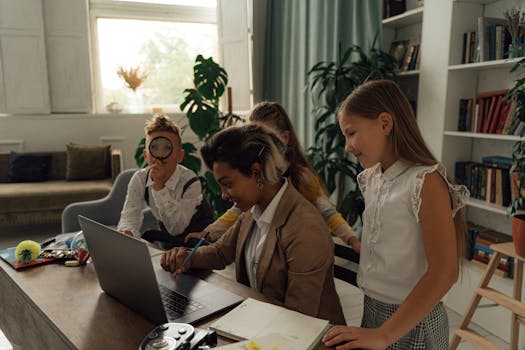
In the world of education, visual aids play a crucial role in enhancing students’ understanding and retention of information. A prime example of this in action is the use of soda lab photos. These images are often utilized in science classes to illustrate concepts such as chemical reactions, carbon dioxide release, and solution saturation. By examining the impact of these educational tools, we can gain insights into their effectiveness and discover how they contribute to the overall learning experience.
The Role of Soda Lab Photos in Science Education
Soda lab photos serve as an engaging way to present complex scientific ideas. They allow students to visually grasp concepts that might otherwise be difficult to comprehend through text alone. For instance, photos of the classic vinegar and baking soda reaction can vividly depict the effervescence and gas release, highlighting the transformative nature of chemical processes.
Apart from engaging students, soda lab photos also encourage inquiry-based learning. By examining detailed images, students can develop hypotheses about the reactions they observe, enhancing their critical thinking and problem-solving skills. This type of active learning is essential for fostering deeper comprehension and retention of scientific principles.
Enhancing Comprehension Through Visualization
Visual aids like soda lab photos can make abstract scientific concepts more accessible. When students view these images, they can better understand topics such as gas production, solution concentration, and the effects of acid-base reactions.
The impact of soda lab photos extends beyond conceptual comprehension. By providing visual context, these images also help students connect what they learn in the classroom with real-world phenomena. This connection can lead to increased motivation and interest in science, encouraging students to pursue further studies in the field.
The Technological Advancements in Visualization
The advancement of technology has significantly improved the quality and availability of educational resources, including soda lab photos. High-resolution cameras and digital imaging allow educators to capture clear, detailed images that can be easily shared with students, even in remote learning environments.
Furthermore, many educational platforms offer interactive tools that enable students to manipulate and explore these images in more depth. This interactivity not only enhances the learning experience but also supports different learning styles, making it easier to cater to diverse student needs.
Challenges and Limitations of Using Soda Lab Photos
Despite their benefits, there are challenges and limitations associated with using soda lab photos in education. One primary concern is ensuring the accuracy and appropriateness of the images used. Educators must carefully select images that correctly represent the concepts they are teaching to avoid misconceptions.
Additionally, relying too heavily on visual aids without providing adequate context and explanation can lead to superficial understanding. It’s crucial for teachers to integrate these photos into their lessons thoughtfully, using them to complement other instructional methods.
Best Practices for Educators
To maximize the effectiveness of soda lab photos, educators should consider the following best practices:
- Integrate photos into a larger instructional framework, providing explanations and facilitating class discussions to reinforce learning.
- Encourage students to make observations and ask questions about the images, fostering a more interactive learning environment.
- Combine photos with hands-on experiments where feasible, allowing students to experience the concepts firsthand.
For educators seeking guidance on how to effectively incorporate these tools into their teaching, there are numerous resources available. For example, exploring educational portals and guidelines can provide valuable insights and practical tips for making the most of soda lab photos.
Exploring Educational Opportunities
Incorporating visual aids like soda lab photos can enhance the educational experience, but learning opportunities extend beyond the classroom. Students interested in exploring the world of science education further can benefit from resources like scholarships, which open doors to academic and career advancements. For more information on the potential scholarships available, you can explore scholarship opportunities that may support their educational journeys.
Ultimately, soda lab photos are an invaluable tool in the realm of science education, providing students with a visual representation of complex scientific phenomena. By integrating these resources thoughtfully and creatively, educators can help students build a robust understanding of scientific concepts that extend beyond the classroom.
Soda lab photos can significantly enhance science learning experiences by making complex concepts more tangible and inspiring curiosity and engagement among students. By utilizing these photos effectively, educators can foster a more enriched educational journey for their students.
- Soda lab photos enhance visual comprehension of scientific concepts.
- They encourage inquiry-based and active learning.
- High technological advancements improve accessibility and interaction.
- Proper integration into lessons is essential for maximizing benefits.
- Opportunities for further education and scholarship can enhance student experiences.
FAQs
What are soda lab photos?
Soda lab photos are visual aids used in science education to illustrate chemical reactions and concepts, often featuring experiments like vinegar and baking soda.
How do soda lab photos help in education?
They enhance students’ understanding by providing visual context, fostering inquiry-based learning and making complex scientific concepts more accessible.
What are the limitations of using soda lab photos?
There can be challenges such as ensuring accurate representation and avoiding over-reliance on visuals without adequate explanation.
What are best practices for using soda lab photos?
Integrate them into a broader instructional framework, encourage student interaction with the images, and complement them with hands-on experiments.
Where can educators find resources on using soda lab photos?
Educational platforms and portals offer valuable resources and guidelines for effectively incorporating soda lab photos into the curriculum. For general information on educational resources, consider visiting the Wikipedia page on Education.