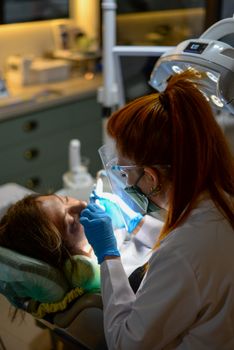
Understanding what is a patient care technician involves exploring a vital role within the healthcare system that often serves as the backbone of patient care delivery. Patient care technicians (PCTs) perform critical tasks that ensure the smooth operation of healthcare facilities while providing essential support to patients and other healthcare professionals. As the demand for healthcare services continually grows, knowing more about the role of PCTs can be both enlightening and inspiring for those considering a career in healthcare.
What is a Patient Care Technician?
A patient care technician is a healthcare worker who assists doctors, nurses, and other medical staff in providing direct care to patients. PCTs work in various settings including hospitals, nursing homes, and long-term care facilities. They often perform tasks such as taking vital signs, collecting samples for testing, assisting with mobility, and helping patients with daily activities like bathing and eating. The primary role of a PCT is to support the medical team while ensuring that patients receive compassionate and efficient care.
Responsibilities of a Patient Care Technician
PCTs have a wide range of responsibilities that require both technical skills and empathy. Their duties typically include monitoring vital signs, such as temperature, pulse, and blood pressure. They may also be responsible for administering EKGs and drawing blood samples, which makes phlebotomy skills vital. In addition, patient care technicians offer crucial emotional and physical support to their patients.
Key Skills and Competences
Successful PCTs are often characterized by a distinct set of skills. Strong communication abilities are crucial, as PCTs act as a bridge between patients and medical staff. They also need excellent attention to detail, especially when recording medical data. Empathy and patience are equally important to handle the emotional demands of the job efficiently.
Advantages of Pursuing a Career as a Patient Care Technician
Choosing a career as a patient care technician comes with several benefits. Firstly, it offers an excellent entry point into the healthcare industry, often requiring less time and financial investment than becoming a nurse or doctor. Moreover, PCTs gain firsthand experience in patient care, which can serve as a stepping stone to other healthcare careers. Another advantage is the job stability due to the consistent demand in the healthcare sector.
Additionally, there are opportunities for further education and advancement. Courses like the Certificate IV in Aged Care and Disability can provide valuable skills and enhance job prospects.
Education and Certification Requirements for Patient Care Technicians
To become a patient care technician, one typically needs to complete a training program that takes several months to a year. These programs often cover essential topics such as anatomy, physiology, medical terminology, and phlebotomy skills. It’s crucial for aspiring PCTs to attend an accredited program to ensure they receive a quality education. After completing training, obtaining certification can greatly enhance employability.
Certification is typically granted by recognized bodies such as the National Healthcareer Association (NHA) after successfully passing a comprehensive exam. This certification demonstrates a recognized standard of competence in the field.
The Future of Patient Care Technicians
The healthcare industry continues to evolve with the integration of technology and an increasing emphasis on patient-centered care. Patient care technicians are expected to play a significant role in this future landscape. With advancements such as electronic health records and telehealth, the responsibilities of PCTs will likely expand to include more technological duties, requiring continuous learning and adaptation.
Additionally, as the demand for healthcare services grows with an aging population, the need for qualified patient care technicians is expected to rise. This trend highlights the promising outlook for current and future PCTs.
Considering a Career as a Patient Care Technician
If you are contemplating a career in the healthcare sector, understanding what is a patient care technician is an essential step. This role offers a mix of practical skills and patient interaction, making it ideal for those who wish to make a meaningful difference in people’s lives. Choosing to become a PCT provides a robust foundation for various future endeavors, whether staying in the same role or advancing within the medical field.
For more detailed information about education in the field, consider visiting this resource on Education.
Takeaways
- Patient care technicians are essential members of the healthcare team.
- They perform a wide range of duties, from taking vital signs to assisting with daily activities.
- Pursuing a career as a PCT offers stability and opportunities for advancement.
- A certification can enhance career prospects significantly.
- The role of PCTs is expected to evolve with technological advancements in healthcare.
FAQs about Patient Care Technicians
What educational qualifications are needed to become a patient care technician?
You typically need to complete a training program from an accredited institution, which can take several months to a year. Certification can also enhance job prospects.
What tasks does a patient care technician perform daily?
A PCT assists with various tasks, including monitoring vital signs, administering EKGs, drawing blood samples, and assisting patients with daily living activities.
Is a patient care technician career a stable choice?
Yes, it is considered stable due to the steady demand in the healthcare sector, particularly as the population ages and requires more care.
How does a patient care technician’s role differ from a nurse’s role?
While both work closely with patients, nurses have more clinical responsibilities and decision-making duties. PCTs mainly assist with personal care and monitoring under the supervision of nurses and doctors.
What are the future prospects for patient care technicians?
The future is promising with expected job growth, alongside evolving roles that may include more technological duties in line with healthcare advancements.