The captivating field of marine biology offers a unique and vital opportunity to explore our oceans while contributing to their conservation. For those curious about the question “what does a marine biologist do?”, this article delves into the diverse responsibilities and roles these experts fulfill. A marine biologist engages in research, conservation, and education to unravel the mysteries of marine ecosystems and address the environmental challenges they face.
What Does a Marine Biologist Do?
Marine biologists play a crucial role in understanding marine organisms and their interactions with the environment. They conduct field studies and collect data on marine species, their habitats, and behaviors. This research is essential for developing strategies to protect endangered species and restore marine habitats.
Beyond research, marine biologists often engage with policy-making, advising governments and organizations on marine conservation efforts. This involves assessing the impact of human activities such as fishing, pollution, and climate change on marine ecosystems.
Educational outreach is another key aspect of a marine biologist’s work. By communicating their findings to the public and educating future generations, marine biologists help raise awareness about the importance of preserving oceanic health.
The Path to Becoming a Marine Biologist
Marine biology is a multidisciplinary field, and becoming a marine biologist typically requires specialized education. Aspiring professionals usually begin their journey with a bachelor’s degree in marine biology, oceanography, or a related field. Advanced roles may require a master’s or doctoral degree.
To gain the necessary skills and experience, students can explore accredited biology classes online, which offer flexible learning opportunities.
Field experience is equally important. Many aspiring marine biologists participate in internships or volunteer work with research institutions or environmental organizations to gain hands-on experience in marine research and conservation.
Daily Life of a Marine Biologist
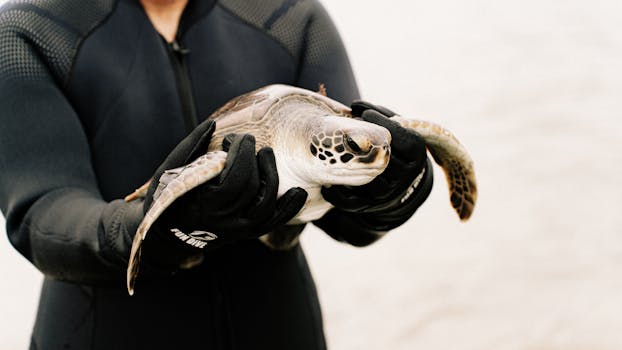
Marine biologists often split their time between the lab and the field. Lab work may include analyzing samples, conducting experiments, or using modeling software to simulate marine systems. Fieldwork, on the other hand, could involve diving into the ocean to observe marine life, collecting samples, or monitoring environmental conditions.
This balance between field and lab work allows marine biologists to evaluate ecological changes over time and contribute valuable data that informs conservation strategies.
Conservation Efforts and Marine Policy
Marine biologists often collaborate with policymakers to develop conservation strategies. This can involve creating marine protected areas, recommending fishing regulations, or crafting policies to mitigate pollution. By influencing policy, marine biologists help ensure that sustainable practices are adopted to protect ocean life.
For those interested in more information regarding marine conservation efforts, you can visit this informative Wikipedia page on marine conservation.
As marine ecosystems face threats from climate change, pollution, and overfishing, marine biologists’ expertise has never been more valuable. Their research and advocacy efforts are pivotal in shaping a sustainable future for our oceans.
Takeaways
- Marine biologists study marine organisms and their environments.
- They play a critical role in conservation and policy-making.
- Education often includes advanced degrees and field experience.
- They balance lab work with field studies to gather comprehensive data.
- Collaboration with policymakers helps implement effective conservation measures.
FAQ
What are the main responsibilities of a marine biologist?
Marine biologists conduct research, analyze data, engage in conservation efforts, and educate the public about marine ecosystems and their importance.
What education is needed to become a marine biologist?
A bachelor’s degree in marine biology or a related field is typically required, with advanced roles often necessitating a master’s or doctoral degree.
What is the difference between marine biology and oceanography?
Marine biology focuses on the study of marine organisms and ecosystems, whereas oceanography encompasses broader oceanic processes, including chemical, physical, and geological aspects.
How do marine biologists contribute to conservation efforts?
Marine biologists collaborate with governments and organizations, provide research insights for policy-making, and help design strategies for habitat protection and species conservation.
What career opportunities exist for marine biologists?
Marine biologists can work in academia, research institutions, government agencies, environmental organizations, or as consultants in marine policy and conservation.
Understanding what does a marine biologist do helps underscore the impact these professionals have on preserving our planet’s oceans. Their dedication to research, conservation, and education plays a vital role in maintaining marine biodiversity and ensuring the health of our global ecosystems.