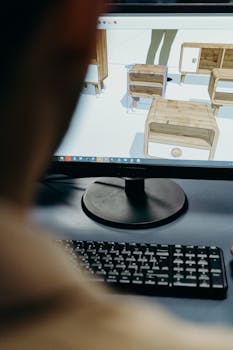
In the rapidly evolving landscape of modern design and technology, one intriguing career is that of an industrial designer. But what is an industrial designer, and how do they fit into the innovation process today? Industrial designers are professionals who focus on developing concepts and designs for manufactured products. Through a blend of art, business, and engineering, they create products that not only meet functional requirements but also appeal aesthetically to consumers. By addressing both user experience and manufacturing feasibility, industrial designers play a pivotal role in product development.
What Is an Industrial Designer?
An industrial designer is a creative professional who primarily works on designing products that are intended for mass production. Their responsibilities include researching market trends, sketching ideas, and creating prototypes. Industrial designers need to understand consumer needs and aesthetics while also possessing knowledge of materials and production processes. This allows them to create products that are both functional and visually appealing, ultimately enhancing the consumer experience.
The Skills Required for Industrial Designing
To succeed in industrial design, one requires a diverse skill set. Key competencies include a strong foundation in design principles, proficiency with design software, and an understanding of manufacturing techniques. Additionally, industrial designers must have excellent communication skills for effectively presenting their ideas and collaborating with engineers, marketers, and clients. Creative problem-solving abilities are also crucial, as designers often need to innovate within the constraints of materials and production costs.
The Design Process
The industrial design process is iterative and collaborative. It typically begins with research to identify consumer needs and market trends. This stage is followed by ideation, where designers brainstorm and sketch various concepts. Once a promising idea is chosen, designers create digital models and prototypes for testing and feedback. Throughout the process, they must consider ergonomics, usability, and environmental impact, ensuring the product is both user-friendly and sustainable.
Impact on Modern Innovation
Industrial designers significantly contribute to modern innovation by merging functionality with aesthetics. In a world where people expect more from their products, industrial designers help bridge the gap between technological advancement and consumer desires. They have been pivotal in reshaping industries such as electronics, automotive, and furniture, driving not only product enhancement but also innovation in sustainable design practices.
Career Paths and Opportunities
With a degree in industrial design, professionals have diverse career options. They can work in-house for manufacturing companies, join consultancies, or operate as freelancers. Industries such as fashion, technology, and automotive are continually on the lookout for talented industrial designers to help them maintain a competitive edge. For those considering entering this field, online courses and programs can be incredibly beneficial. One can explore various online industrial design courses to start building the necessary skills and knowledge.
The Future of Industrial Design
As technology continues to advance, the role of industrial design is expected to expand. Emerging fields like augmented reality and the Internet of Things (IoT) offer new challenges and opportunities for designers. These advances will likely lead to even more innovative ways to interact with products, making industrial designers crucial in shaping future technologies and lifestyles.
In conclusion, asking “what is an industrial designer” opens the door to understanding a key player in the world of design and innovation. These professionals bring ideas to life, creating products that harmonize functionality with aesthetic appeal while striving for sustainable solutions. By embracing new technologies and consumer trends, industrial designers remain at the forefront of creative business solutions globally.
Takeaways
- Industrial designers develop concepts for mass-produced products.
- Key skills include design software proficiency and creative problem-solving.
- The design process involves research, prototyping, and testing.
- Industrial designers influence modern innovation in multiple industries.
- The field offers diverse career opportunities and is evolving with technological advances.
FAQs
What educational background is needed to become an industrial designer?
Typically, a degree in industrial design or a related field is required. Curriculum often includes courses in 3D design, color theory, and manufacturing processes.
How do industrial designers influence sustainability?
Industrial designers contribute to sustainability by selecting eco-friendly materials and designing products with long lifespans and minimal waste.
What tools do industrial designers commonly use?
They commonly use computer-aided design (CAD) software for creating models, as well as various prototyping tools to bring their designs to life.
Can industrial design be applied in the digital world?
Yes, industrial design principles are applied in designing digital interfaces and product systems that integrate with physical products, enhancing user experience.
Where can I learn more about industrial design?
Comprehensive information is available online. For a more academic perspective, check out this Wikipedia article on industrial design for an in-depth overview.