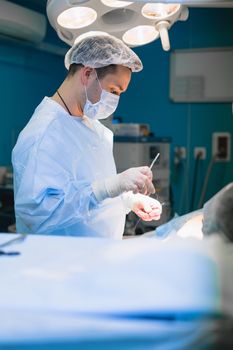
The role of a surgical technician is pivotal in the medical field, often raising the question: what does a surgical tech do? Surgical technicians, sometimes known as scrub techs or operating room technicians, work alongside surgeons, nurses, and anesthesiologists to ensure that surgical procedures run smoothly. Their involvement is crucial from the preparation stage right through to post-operative care, making their contribution to healthcare undeniable.
What Does a Surgical Tech Do?
Surgical technicians have several responsibilities that revolve around the operating room. Their primary duties include setting up surgical instruments and equipment, preparing patients for surgery, and assisting during operations. These tasks require meticulous attention to detail and a thorough understanding of surgical procedures.
Their role begins well before the actual surgery. Surgical techs organize all necessary surgical instruments and ensure that operating rooms are sterile and ready for procedures. This preparation involves checking that all tools are functional and positioned correctly for the surgeon’s convenience, reducing the likelihood of delays or complications during surgery.
The Daily Life of a Surgical Technician
A typical day for a surgical technician starts with reviewing the surgical schedule for the day. They gather all necessary equipment and prepare the operating room. This preparation includes not just physical tools but also ensuring all required sterile supplies and solutions are available.
During surgery, surgical techs play a critical supporting role. They pass instruments to the surgeon, keep the operative area sterile, and manage surgical specimens collected for analysis. Their knowledge of surgical instruments is extensive, as each tool’s function must be well-understood to assist effectively during various procedures.
After surgeries, they are responsible for cleaning and restocking the operating room, ensuring that all instruments are sterilized and prepared for future use. Surgical technicians are also expected to document the surgical process, noting any instruments used during the operation.
Educational Path and Training for Surgical Technicians
Becoming a surgical technician typically requires a postsecondary certificate or an associate’s degree from an accredited program. These programs cover essential subjects, such as anatomy, microbiology, and medical terminology.
Hands-on training is a significant component of these programs, providing students with a simulated operating room experience. After formal education, many surgical techs choose to become certified to enhance their employability and credibility. Certified Surgical Technologist (CST) and Tech in Surgery-Certified (TS-C) are popular certifications in the field.
For those interested in this career path, learning the anatomy and physiology is incredibly beneficial. It equips aspiring surgical technicians with the foundational medical knowledge essential in their daily duties.
The Importance of Surgical Technicians in Healthcare
Surgical technicians are crucial to the seamless operation of surgical procedures. Their expertise ensures the safety and well-being of patients throughout their surgical journey. They are often the unsung heroes who maintain the rhythm and flow of the operating room, allowing surgeons to perform their duties effectively.
Their role extends beyond mere technical support. By effectively managing tools and instruments, they help reduce the risk of infections and ensure efficient surgical operations. Such diligence and attention to detail contribute directly to successful patient outcomes.
Moreover, surgical technicians often specialize in specific areas, such as orthopedics or neurosurgery, honing their skills to meet the needs of those specific surgical environments. This specialization enhances the precision and effectiveness of surgical teams.
The Future of Surgical Technology
The field of surgical technology continues to evolve, with advancements in medical equipment and surgical practices. Innovations, such as robotic-assisted surgeries and minimally invasive procedures, require surgical technicians to continually update their skills and knowledge.
This progression not only highlights the adaptability and growth of surgical technicians but also underscores their indispensable role in the healthcare industry. As new technologies emerge, the need for skilled and knowledgeable surgical techs will likely continue to rise, offering robust career opportunities.
Embracing continuing education and technological advancements is critical for surgical technicians aiming to thrive in this dynamic environment. As they enhance their expertise, they provide better support in complex surgical scenarios, benefiting both healthcare professionals and patients.
Surgical technicians are integral to maintaining high standards of healthcare. For those wondering what does a surgical tech do, it is clear that their work is multifaceted and vital for successful surgical outcomes. Their contributions ensure the smooth operation of the surgical team and the welfare of patients.
- Surgical technicians play a crucial role in the operating room, managing instruments and ensuring sterility.
- Becoming a surgical technician typically involves a certificate or associate’s degree and certification.
- They are essential for maintaining the rhythm and flow of surgical procedures.
- Technological advances continue to shape the evolving role of surgical technicians.
- They are critical in ensuring patient safety during surgeries.
What certifications are available for surgical technicians?
Two common certifications for surgical technicians are the Certified Surgical Technologist (CST) and the Tech in Surgery-Certified (TS-C), which enhance job prospects and professional credibility.
What skills are essential for a surgical technician?
Key skills include attention to detail, manual dexterity, strong communication, and the ability to work well under pressure. Knowledge of surgical instruments and sterile techniques is also crucial.
How does one become a certified surgical technician?
To become certified, one must typically complete an accredited surgical technology program and pass a certification exam such as the CST or TS-C.
Are continuing education opportunities available for surgical technicians?
Yes, continuing education is available and often required to maintain certification. This education helps techs stay current with the latest surgical techniques and technologies.
What is the employment outlook for surgical technicians?
The employment outlook is positive, with a growing demand for surgical technicians due to advances in medical technology and an increase in the number of surgeries performed.