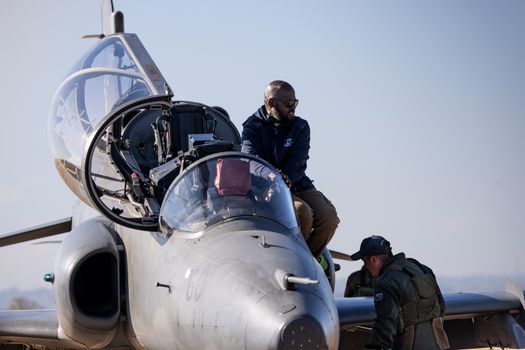
You may have seen an older airliner cockpit with three crew seats and wondered what the third person did. That seat often belonged to the flight engineer—the crew member responsible for closely monitoring and managing the aircraft’s mechanical, electrical, fuel, pressurization, and environmental systems. Although modern automation has made this position uncommon on newer passenger jets, flight engineers still serve on some older, specialized, cargo, government, and military aircraft.
For someone who enjoys aviation but is especially interested in aircraft systems and troubleshooting, this can be a fascinating career. It is also a highly specialized path, so understanding the work, certification requirements, and limited job market is important before committing to training.
What Does a Flight Engineer Do?
A flight engineer is a required flight crewmember on certain large or complex aircraft. Unlike the captain and first officer, the flight engineer normally does not control the aircraft during routine flight. Instead, the engineer operates and monitors systems that keep the airplane functioning safely and efficiently.
Specific responsibilities vary by aircraft, but common duties include:
- Inspecting the aircraft and reviewing technical records before departure
- Calculating fuel use, aircraft weight, and performance information
- Monitoring engines, generators, hydraulic systems, and electrical equipment
- Managing fuel distribution and watching for abnormal consumption
- Operating pressurization, heating, ventilation, and air-conditioning systems
- Helping complete engine-start, takeoff, landing, and shutdown checklists
- Identifying equipment failures and recommending corrective procedures
- Recording system readings, malfunctions, and maintenance concerns
During an emergency, the flight engineer may diagnose the malfunction, operate backup systems, isolate damaged equipment, and help the pilots work through emergency checklists. Clear communication is essential because the engineer must provide accurate information without distracting the pilots from flying the aircraft.
What Is the Working Environment Like?
The job is performed mainly on the flight deck, where the engineer sits at a station equipped with gauges, switches, warning lights, and system controls. Flights may last several hours and can involve nights, weekends, holidays, changing time zones, and overnight stays away from home.
The work requires prolonged concentration. A normal flight may involve long periods of routine monitoring, but a warning light or unexpected system reading can demand immediate attention. Flight engineers must remain alert, follow detailed procedures, and make sound decisions under pressure.
Noise, vibration, irregular sleep, and schedule changes may contribute to fatigue. Crew members therefore need good sleep habits and must honestly assess whether illness, medication side effects, or exhaustion could make them unsafe for duty.
Where Are Flight Engineers Still Employed?
Most newly designed commercial aircraft use two-person cockpits because computers now perform many tasks that once required a flight engineer. As a result, this is no longer a common entry-level airline occupation.
Opportunities may still exist with organizations operating aircraft designed for three-person flight decks. Potential settings include cargo transportation, government aviation, military operations, aircraft testing, firefighting, and other specialized missions. Some qualified professionals also move into simulator instruction, technical training, safety, maintenance management, or other aviation roles.
Because openings depend on particular aircraft fleets, candidates should investigate actual employers before paying for specialized training. Broad aviation knowledge can make it easier to move into related work if a dedicated flight engineer position is unavailable.
FAA Certification Requirements
In the United States, a person generally must be at least 21 years old to hold a flight engineer certificate. Applicants must be able to read, speak, and understand English well enough to perform their duties and coordinate safely with the rest of the crew.
The certificate includes a class rating based on the type of powerplant, such as reciprocating-engine, turbopropeller, or turbojet aircraft. Candidates must satisfy an accepted experience pathway and pass the required knowledge and practical examinations. The practical test evaluates normal procedures, system operation, preflight and postflight duties, malfunction recognition, and emergency response. Candidates can review the current FAA practical test standards for flight engineers to understand what examiners assess.
Qualifying experience may come from aircraft maintenance, an approved flight engineer course, military service, engineering education combined with practical maintenance experience, commercial piloting, or certain transport-aircraft flight experience. The exact route matters, so prospective applicants should confirm that their background satisfies current federal requirements before scheduling tests.
Medical Fitness and Certification
A flight engineer exercising certificate privileges must generally hold a current second-class FAA medical certificate or other medical documentation accepted by the FAA. The examination is completed by an FAA-designated Aviation Medical Examiner.
The evaluation considers factors such as vision, hearing, cardiovascular health, neurological health, mental health, and medications that could affect safe performance. Having a medical condition does not automatically mean that a person cannot qualify. However, the examiner or FAA may request records, test results, specialist reports, or evidence that the condition is stable and appropriately treated.
If you take prescription or over-the-counter medication, discuss it with an Aviation Medical Examiner before beginning an expensive training program. Some medicines may cause drowsiness, slower reaction time, dizziness, or impaired judgment. Never stop prescribed treatment solely to pursue certification without consulting the clinician responsible for your care.
Education and Skills That Help
No single college major guarantees employment, but useful areas of study include aviation technology, aircraft maintenance, aeronautical engineering, mechanical engineering, electrical engineering, mathematics, physics, and meteorology. Maintenance experience is especially valuable because the job requires a practical understanding of how aircraft systems interact.
Students exploring aviation education can also learn about programs that introduce technical careers through resources such as this overview of the Rice Aerospace Academy and its role in aerospace preparation.
Successful flight engineers tend to have several qualities in common:
- Strong attention to detail
- Mechanical and mathematical ability
- Calm decision-making during abnormal situations
- Clear, concise communication
- Comfort with checklists and standardized procedures
- Willingness to complete recurrent training
- The discipline to monitor routine systems without losing focus
How to Get Started
Begin by researching operators that still use flight engineers and identifying the aircraft in their fleets. Job advertisements can reveal whether employers prefer pilots, military aircrew members, licensed aircraft mechanics, engineering graduates, or graduates of approved training courses.
Next, choose the most realistic qualifying pathway. For many people, building experience in aircraft maintenance or military aviation provides both practical knowledge and alternative career options. Others may qualify through commercial pilot training or an engineering degree combined with the required aircraft experience.
Before enrolling, verify that a course is appropriate for the rating you want and that its graduates are eligible for FAA testing. Ask about total costs, equipment used, instructor qualifications, completion rates, and employer connections. Be cautious of any program promising quick airline placement without identifying companies that currently hire flight engineers.
Is This Career Worth Pursuing?
The answer depends on your goals and access to qualifying aircraft. The work can be rewarding for people who enjoy complex systems, teamwork, and operational problem-solving. However, dedicated civilian positions are limited, and employment data often combine flight engineers with airline pilots and copilots rather than reporting the occupation separately.
A practical plan is to develop transferable skills in maintenance, piloting, engineering, or technical instruction while pursuing flight engineer certification. That approach can prepare you for the third seat when an opportunity appears without making your entire aviation career depend on a small and specialized job market.