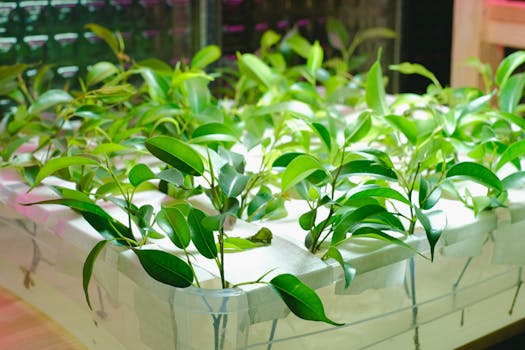
Welcome to the world of hydroponics DIY, where gardening meets innovation. Whether you’re a seasoned gardener looking for sustainable methods or a novice eager to explore the realm of soil-less growing, hydroponics offers a rewarding experience. Dive into this adaptable approach that allows plants to grow using mineral nutrient solutions in water, free from soil. The allure lies not only in its efficient use of resources but also in its potential to yield robust and healthy plants.
Understanding Hydroponics DIY
The concept of hydroponics DIY isn’t just a modern-day marvel; it’s a reinvention of ancient techniques with a focus on sustainability and resource efficiency. Traditionally, soil is a requirement for plant growth, but with hydroponics, plants can thrive sans soil, receiving essential nutrients directly through water.
For those eager to start their hydroponics journey, resources and instructional guides are readily available, making it an accessible venture for anyone interested in dedicating their time and creativity. The flexibility of this system allows for customization, accommodating different scales of gardening—from small indoor setups to extensive outdoor environments.
Benefits of Hydroponics
Choosing to embark on a hydroponics DIY project offers a myriad of benefits:
- Space Efficiency: Hydroponics systems can be stacked vertically, making them ideal for urban settings or limited spaces.
- Water Conservation: These systems use significantly less water compared to traditional gardening as the water is recirculated and reused.
- Faster Growth: Plants typically grow faster in a hydroponic system due to the direct delivery of nutrients.
- Fewer Pests and Diseases: Without soil, the risks associated with soil-borne diseases and pests are greatly reduced.
Setting Up Your Hydroponics System
Creating a hydroponics DIY system involves several pivotal steps:
- Selecting the System Type: From nutrient film technique (NFT), deep water culture (DWC), to aeroponics, there are various system types to explore. Each offers its unique method of delivering nutrients and supporting plant growth.
- Building the Framework: Often made from PVC pipes or containers, the framework supports the plants and directs nutrient-rich water to their roots.
- Nutrient Solution Preparation: A critical aspect is preparing the right nutrient mix as it directly impacts plant health and growth rate.
- Lighting: If you’re growing indoors, invest in quality grow lights to provide the necessary light spectrum for photosynthesis.
For a comprehensive understanding of setting up and managing your projects, explore careers that utilize innovative skills for successful outcomes.
Choosing the Right Plants
Not all plants are equally suited for hydroponics. Leafy greens such as lettuce, spinach, and kale thrive in hydroponic systems, growing rapidly and efficiently. Herbs also make fantastic candidates, including basil, mint, and cilantro. Fruit-bearing plants like tomatoes and strawberries can be successful, albeit with slightly more maintenance.
Challenges to Consider
While the advantages of hydroponics DIY are compelling, there are challenges to anticipate:
- Initial Setup Costs: Depending on the scale, setting up a system can be an investment.
- Technical Knowledge: Some learning is required to understand the intricate balance of nutrients, pH levels, and system maintenance.
- Power Dependence: Hydroponic farms often rely on electricity for pumps and lights, making them vulnerable during outages unless backup systems are in place.
Hydroponics vs. Traditional Gardening
The debate between traditional gardening and hydroponics continues as each has its merits. Hydroponics doesn’t require tilling or weeding, which saves time and physical labor. However, traditional gardening allows plants to grow in their natural habitat—soil—influencing their natural defense mechanisms and adaptability. Hydroponics, nonetheless, presents a greener option amidst water scarcity and urban development challenges.
The Future of Hydroponics
Hydroponics is not merely a trend but a forward-thinking approach to sustainable food production. As urban populations swell and arable land decreases, hydroponics emerges as an efficient, scalable solution with potential impacts on global food security. According to the Wikipedia article on Hydroponics, these systems can potentially reduce the agricultural footprint and embrace environmental stewardship.
Embarking on a hydroponics DIY project encourages personal growth and a deeper understanding of sustainable agricultural practices. As interest in environmentally responsible gardening increases, hydroponics presents an attractive opportunity for individuals and communities alike.
Takeaways
- Hydroponics DIY is a sustainable, innovative approach to gardening.
- Benefits include space and water efficiency, faster plant growth, and reduced pests.
- Setting up requires technical knowledge and initial investment.
- Hydroponics supports global food security amidst urbanization.
FAQ
What is hydroponics DIY, and how does it work?
Hydroponics DIY is a method of growing plants without soil, using nutrient-rich water solutions to deliver essential nutrients directly to plant roots.
Which plants are best suited for hydroponics?
Leafy greens, herbs, and some fruit-bearing plants like tomatoes and strawberries are well-suited for hydroponic systems.
What are the initial costs of setting up a hydroponics system?
Initial costs can vary, but they typically include the price of the system structure, nutrient solutions, and lighting, especially for indoor setups.
How does hydroponics contribute to sustainability?
Hydroponics conserves water, reduces the need for land, and can be implemented in urban environments, making it a sustainable agricultural option.
How can I learn more about building a hydroponics system?
There are numerous resources available online, including video tutorials and step-by-step guides designed for beginners and advanced enthusiasts alike.