
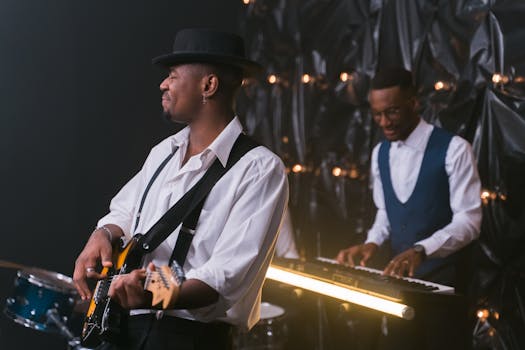
Competition music plays a pivotal role in the world of performing arts, serving both as the soundtrack to exhilarating contests and a tool for artists seeking personal development and enhanced performance. Whether you’re a musician, dancer, or other performing artist, choosing the right music can make or break your presentation. The quest to find and harness competition music can be both challenging and rewarding, as these tracks not only highlight your talents but can also drive your personal growth.
The Role of Competition Music in Performance
Competition music is instrumental in setting the pace and mood for performances. The right choice can amplify the emotional impact of your routine, captivate judges, and elevate your performance to a new level. This makes the selection process a vital part of preparation for any competitive event.
When selecting music, consider the emotional tone you wish to convey. Evoking the correct emotional response ensures that your performance leaves a lasting impression. Remember, music should complement your style and strengths, whether classical, contemporary, or jazz influences suit your performance best.
Enhancing Skills Through Music
Music competition can foster substantial personal development. Practitioners often find that by analyzing and engaging with diverse musical pieces, they sharpen their listening and interpretation skills. Exposure to varying musical styles and compositions challenges performers to adapt and grow.
Moreover, perfecting a performance piece requires dedication, practice, and creativity. As performers work through these pieces, they not only hone their technical skills but also their emotional expressions and stage presence.
Finding the Right Music for Competitions
Choosing the right piece for a competition involves several considerations, including the audience, venue, and specific judging criteria. Soundtracks should be age-appropriate, timeless, and convey the desired narrative strongly and clearly.
Analyze the technical demands of potential music choices and ensure they align with your skill level. It’s essential to select a piece you can perform confidently and expressively. In addition, draw inspiration from past competitions and professional performances, noting which types of music resonate well with judges and audiences alike.
Resources for Discovering Competition Music
Several resources can help you discover effective competition music. Online platforms and streaming services offer extensive libraries of diverse music genres. Moreover, connecting with music instructors, coaches, or peers can provide personalized recommendations that align with your strengths and goals.
Educational resources and scholarship programs, like those found at ScholarsHub, can also provide opportunities to further explore music and its applications in competitive settings.
Music’s Impact on Emotional and Mental Health
Beyond improving performance skills, competition music can have profound effects on an individual’s emotional and mental well-being. Engaging with music often serves as a therapeutic practice, reducing stress and enhancing mood. It allows for a creative outlet that supports mental clarity and resilience, crucial for performers facing the pressures of competitions.
Research has found that regular engagement with music can improve cognitive functions, enhance memory, and foster a deeper sense of empathy. These benefits contribute significantly to a performer’s overall personal development and stage presence.
Performance Excellence and Personal Growth
Ultimately, competition experiences can act as significant milestones in a performer’s career and personal life. They provide valuable feedback and learning experiences that can significantly enhance skill and confidence levels. By embracing the challenges of competition and leveraging them for growth, performers can refine their artistry and prepare for future endeavors.
Performers are encouraged to embrace failure as part of the learning process. Setbacks provide insights into areas needing improvement, driven by passion and a love for the craft. Long-term commitment to the discipline is crucial, as it fosters resilience and an enduring hunger for knowledge.
External Support and Further Learning
Understanding that music is an invaluable educational tool, performers should seek continuous learning opportunities, such as workshops, online courses, and mentorship programs. Expanding one’s musical repertoire and gaining insights from seasoned professionals can enhance both performance and personal growth.
For an overview of how education plays a role in musical and personal development, you might want to check the broad perspectives provided in educating creative professionals available on the Wikipedia page on Education.
Discovering and utilizing competition music not only boosts performance quality but also supports ongoing personal growth. Embrace music as both a competitive and learning tool to enhance your artistry and command a compelling stage presence.
- Competition music is essential in setting the tone for strong performances.
- Choosing music fitting your style and skill is crucial for success.
- Continuous learning and exposure to diverse music can enhance personal growth.
- Music supports emotional and mental well-being, essential for performers.
- Scholarships and educational resources can deepen musical engagement.
What is competition music?
Competition music is a carefully chosen piece of music used during performance events to elevate the performer’s routine and capture both audience and judges’ attention.
How should performers select competition music?
Performers should select music that complements their strengths, adheres to competition guidelines, and aligns with the intended emotional message of their performance.
Can music competitions enhance personal growth?
Yes, music competitions can challenge performers to improve their skills, stage presence, and emotional expression, contributing to overall personal growth.
Are there resources to support selecting competition music?
Yes, streams of musical libraries, recommendations from coaches, and platforms offering scholarships and educational support can aid in selecting effective competition music.
What role does music play in mental health for performers?
Music can have positive effects on performers’ mental health by reducing stress, enhancing mood, and providing a creative outlet, thereby supporting emotional and mental resilience.

