
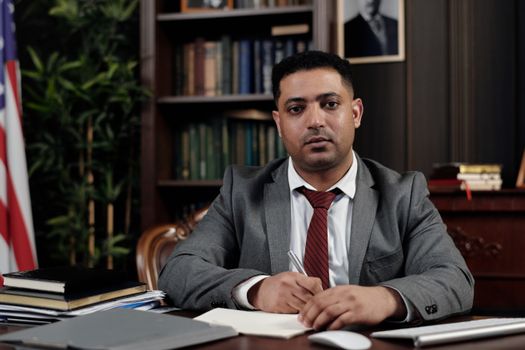
You may picture a diplomat spending every day at formal receptions, negotiating treaties, or meeting heads of state. In reality, much of the work happens behind the scenes: writing reports, helping citizens in emergencies, analyzing political developments, managing embassy operations, and building relationships across cultures. If you are wondering how to become a diplomat, the practical answer is that you must qualify for your country’s foreign service, succeed in a competitive selection process, and prepare for a career that may require frequent moves and difficult assignments.
What does a diplomat actually do?
Diplomats represent their country’s government overseas and help carry out its foreign policy. They usually work at embassies, consulates, diplomatic missions, or government offices in their home country. Their responsibilities depend on their position and area of specialization.
Common duties include:
- Reporting on political, economic, and social developments in another country
- Helping citizens who experience arrests, emergencies, lost passports, or other problems abroad
- Explaining government policies to foreign officials, journalists, and the public
- Supporting negotiations related to trade, security, migration, or international cooperation
- Managing embassy personnel, budgets, facilities, and technology
- Processing visas and providing consular services
Ambassadors are diplomats, but most people entering the profession do not begin at that level. Career diplomats generally progress through increasingly responsible assignments over many years.
Do you need a specific degree?
The requirements vary by country. In the United States, Foreign Service Officer applicants do not need a particular college major or even a specific degree. However, higher education can help you develop the writing, analytical, research, and communication abilities needed during the selection process and on the job.
Useful subjects include international relations, political science, economics, history, public administration, law, business, communications, and foreign languages. Technical or scientific knowledge can also be valuable because modern diplomacy covers cybersecurity, energy, health policy, environmental issues, agriculture, and emerging technology.
Choose a field that genuinely interests you rather than selecting a major simply because it sounds diplomatic. Strong academic performance and the ability to explain how your education prepared you to solve problems may matter more than the name of your degree.
Researching the daily realities of a profession is important before committing to years of preparation. Just as someone considering medicine might first study what an internist does and the training involved, an aspiring diplomat should learn about embassy life, overseas mobility, government service, and the selection system.
What experience helps you become a diplomat?
There is no single required career path. Successful candidates may come from government, education, journalism, law, business, the military, nonprofit organizations, science, technology, or community service. Experience becomes useful when it demonstrates qualities that diplomatic employers value.
Cross-cultural experience
Studying, working, volunteering, or living abroad can improve cultural awareness and adaptability. International travel is not essential, however. You can develop cross-cultural skills by working with immigrant communities, international students, refugee organizations, or multicultural teams in your own area.
Leadership and teamwork
Diplomats must often guide projects without having direct authority over everyone involved. Seek opportunities to organize an event, lead volunteers, resolve a workplace problem, or coordinate people with competing priorities. Keep notes about what you did, how you handled obstacles, and what results you achieved. These examples can be useful during interviews and assessments.
Writing and analysis
Diplomatic writing must be clear, concise, accurate, and useful to decision-makers. Practice summarizing complicated subjects, comparing evidence, and making recommendations. Coursework, policy research, journalism, grant writing, military briefings, and professional reports can all build relevant skills.
Public service
Volunteer work, internships, and entry-level government positions can show a genuine interest in serving the public. They may also expose you to policy development, administrative systems, and ethical responsibilities.
Is speaking another language required?
A foreign language is highly valuable, but it is not always required when you apply. For U.S. Foreign Service Officers, language proficiency is not a general entry requirement, although tested proficiency may improve a candidate’s competitiveness. Certain specialist or language-designated positions have different rules.
Learning another language can still make you more effective. It helps you understand cultural context, build trust, and communicate beyond official meetings. Concentrate on practical speaking, listening, reading, and writing rather than memorizing isolated vocabulary. Languages associated with staffing needs may offer particular advantages, but those needs can change.
How does the U.S. application process work?
Americans who want to become career diplomats commonly apply to become Foreign Service Officers. Applicants select one of five broad career tracks: consular, economic, management, political, or public diplomacy. The choice influences how the candidate is evaluated and the type of work emphasized during a career.
According to the official U.S. Foreign Service career guidance, officer candidates must be U.S. citizens, meet applicable age requirements, be willing to serve anywhere in the world, and complete a competitive multistage selection process. No specific degree is required.
The process typically includes an application, the Foreign Service Officer Test, further assessment, security and medical qualification reviews, and a suitability determination. Successful candidates may be placed on a hiring register, but placement does not guarantee an appointment. The test format and application schedule can change, so applicants should review the official instructions before each application cycle.
Foreign Service Specialists follow a different route. They fill professional roles in areas such as information technology, engineering, security, medicine, human resources, and facilities management. These positions may require specific degrees, licenses, or work experience.
What training do new diplomats receive?
Newly appointed U.S. Foreign Service employees complete an orientation program through the Foreign Service Institute. Training introduces them to diplomatic work, government structure, professional writing, communication, leadership, ethics, security, and life overseas.
Additional instruction depends on the assignment. A new officer may receive language training, regional studies, consular training, management preparation, or instruction related to a specific policy field. Training continues throughout a diplomatic career as employees take on new posts and leadership responsibilities.
How can you prepare now?
- Read reliable coverage of international and domestic affairs every day.
- Study government, economics, history, geography, and major policy issues.
- Practice writing short, evidence-based reports under time limits.
- Develop public speaking, active listening, and negotiation skills.
- Learn a foreign language and use it in real conversations.
- Pursue internships, volunteer projects, or jobs involving public service.
- Maintain responsible financial, legal, and professional records for a possible background investigation.
- Talk with current or former foreign affairs professionals about the realities of the lifestyle.
Is diplomacy the right career for you?
Diplomatic service can offer meaningful work, exposure to different cultures, and opportunities to address international problems. It can also involve long application timelines, security restrictions, repeated relocations, family disruption, hardship posts, and limited control over where you serve.
The strongest candidates are not simply fascinated by travel. They are adaptable, composed under pressure, curious about other perspectives, careful with sensitive information, and committed to public service. Learning how to become a diplomat is therefore about more than passing an exam. It is about building the judgment, communication skills, integrity, and resilience needed to represent your country responsibly wherever you are assigned.

