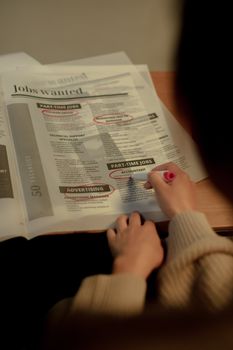
You walk past a neighborhood bookstore, gift shop, market, or clothing boutique and notice a “Help Wanted” sign. The job looks approachable, but you may wonder whether you need retail experience, a polished résumé, or an online application. The good news is that small stores often hire based on reliability, attitude, availability, and the ability to work well with customers. Even if this would be your first job, you can become a strong candidate by building a few practical skills and approaching the owner or manager professionally.
What Do Small Stores Look for in an Employee?
Small-store employees usually handle several responsibilities during one shift. You might greet customers, organize merchandise, answer questions, clean displays, receive deliveries, operate a register, or help open and close the store. Because the staff is often small, the owner needs someone who can be trusted to notice what needs to be done.
According to the U.S. Bureau of Labor Statistics overview of retail sales workers, most retail sales workers learn on the job, and these positions typically do not require a formal educational credential. Some employers may prefer applicants with a high school diploma or equivalent, but a lack of previous retail experience does not automatically disqualify you.
Owners commonly value the following qualities:
- Dependability and punctuality
- Friendly, respectful communication
- Honesty when handling money or merchandise
- Willingness to learn store procedures
- Attention to detail
- Patience with customers
- Flexibility during busy periods
- Ability to work independently
Skills to Build Before You Apply
Customer service
Customer service means helping people feel welcome and providing useful information without pressuring them. Practice making eye contact, listening without interrupting, and speaking clearly. You should be able to greet a customer, answer a basic question, and remain calm if someone is frustrated.
You can build this skill through volunteering, school activities, community events, or any situation where you assist other people. Customer service experience does not have to come from a paid job.
Basic math and payment handling
You do not need advanced math for most store positions, but you should be comfortable calculating change, checking totals, and understanding discounts. Point-of-sale systems calculate many transactions automatically, yet employees must still recognize obvious errors and count cash carefully.
Practice adding prices, estimating totals, and making change. If you have never used a register, say that honestly while emphasizing that you are ready to learn.
Organization and attention to detail
A shelf may look acceptable to a customer but still contain misplaced products, incorrect price labels, or low stock. Strong employees notice these details and fix small problems before they become larger ones.
You can demonstrate organization by keeping school materials in order, managing household responsibilities, arranging supplies for a club, or completing tasks from a checklist. During an interview, give a specific example rather than simply saying you are organized.
Product knowledge
You are not expected to know everything before being hired. However, learning about the store shows genuine interest. Visit its website or social media page if available, browse the merchandise, and notice the types of customers it serves.
Think about why you want to work there. A bookstore may value your interest in reading, while a garden center may appreciate basic plant knowledge. Enthusiasm is most convincing when it connects to the store’s products and customers.
How to Find Openings at Small Stores
Small businesses do not always advertise jobs on large employment websites. Some rely on window signs, social media posts, customer referrals, or walk-in applicants. To learn how to get a job at a small store, begin by making a list of businesses within a realistic commuting distance.
Check each store’s website and social media accounts, then visit in person when the business is not busy. Avoid arriving during lunch rushes, weekend crowds, or just before closing. Ask politely whether the manager is available and whether the store is accepting applications.
You might say, “Hello, my name is Jordan. I live nearby and am interested in working here. Are you currently accepting applications?” Keep the conversation brief unless the manager asks questions. If the store is not hiring, thank the person and ask whether you may leave a résumé for future openings.
Prepare a Simple, Focused Résumé
A one-page résumé is usually enough for an entry-level store job. Include your contact information, education, availability, relevant experience, and useful skills. Experience can include volunteering, babysitting, lawn care, tutoring, school clubs, fundraising, or helping with a family business.
Describe what you actually accomplished. For example, “Organized donated items for a community sale” is stronger than “Helped at an event.” Review these essential tips for showcasing your skills effectively on a résumé to present informal experience in a clear, credible way.
Proofread carefully. An error-free résumé signals attention to detail, which matters when entering prices, arranging stock, or recording customer information. Bring several clean copies when visiting stores.
Make a Good First Impression
You do not need expensive clothing, but you should look neat and appropriate for the business. Choose clean, simple clothes and closed-toe shoes unless the store’s environment suggests otherwise. Avoid chewing gum, checking your phone, or bringing friends into the store while you apply.
Introduce yourself confidently, smile, and explain why that particular store interests you. Instead of saying you will take any job, mention something specific, such as enjoying the products, living nearby, or wanting to build customer service experience.
Be honest about your availability. Evening and weekend availability can be valuable in retail, but do not promise hours you cannot consistently work. If you attend school, have transportation limits, or need a fixed day off, explain that clearly.
How to Handle the Interview
Small-store interviews may feel informal, but treat them seriously. The manager may ask how you would help a customer, respond to a mistake, handle a busy period, or manage several tasks at once.
Prepare short examples showing that you are dependable and teachable. If you lack paid experience, discuss situations from school, volunteering, sports, or home. You might explain how you completed a group project on time, handled money during a fundraiser, or solved a disagreement calmly.
Useful questions to ask the employer include:
- What would a typical shift involve?
- What qualities make someone successful here?
- How are new employees trained?
- How far in advance is the schedule posted?
- What are the next steps in the hiring process?
Follow Up Without Becoming Pushy
If you have not heard back, follow up after several business days unless the manager gave you a specific timeline. Visit during a quiet period or make a brief phone call. State your name, mention when you applied, and confirm that you remain interested.
One polite follow-up can show initiative. Repeated calls or visits may have the opposite effect. Continue applying elsewhere while you wait rather than depending on one opportunity.
If You Are Hired, Keep Building Trust
Arrive a few minutes early, take notes during training, and ask questions when instructions are unclear. Keep your phone put away, complete routine tasks without repeated reminders, and tell a supervisor promptly if you make a mistake.
Knowing how to get a job at a small store is largely about showing that you will make the owner’s workday easier. A thoughtful application may get you an interview, but reliability, curiosity, and respectful customer service will help you earn the job and succeed once you start.